English
 عربى

Content
STIC Partners with Guangxi University’s School of Mechanical Engineering to Advance AI-Powered Real-time Inspection for Medical-Grade Silicone Gel Production
SHANGHAI, Sept. 16, 2026 — STIC (Shanghai) Co., Ltd., a medical-grade silicone adhesive and gel manufacturer, has cleared feasibility review on an AI-powered real-time inspection system developed with Guangxi University's School of Mechanical Engineering, the company said following a technical seminar held Tuesday. The project now moves into implementation preparation.
The system will apply machine-vision algorithms and automated sensing to replace manual inspection across STIC's production line, targeting the defect-detection accuracy and consistency standards required for medical-grade output.
"For medical-grade silicone gel products, quality and consistency are at the heart of everything we do," said Jiang, STIC's Head of Quality Control. "This project represents a meaningful step forward in our intelligent and mechanized development."
A Manufacturer Built Around Quality Control
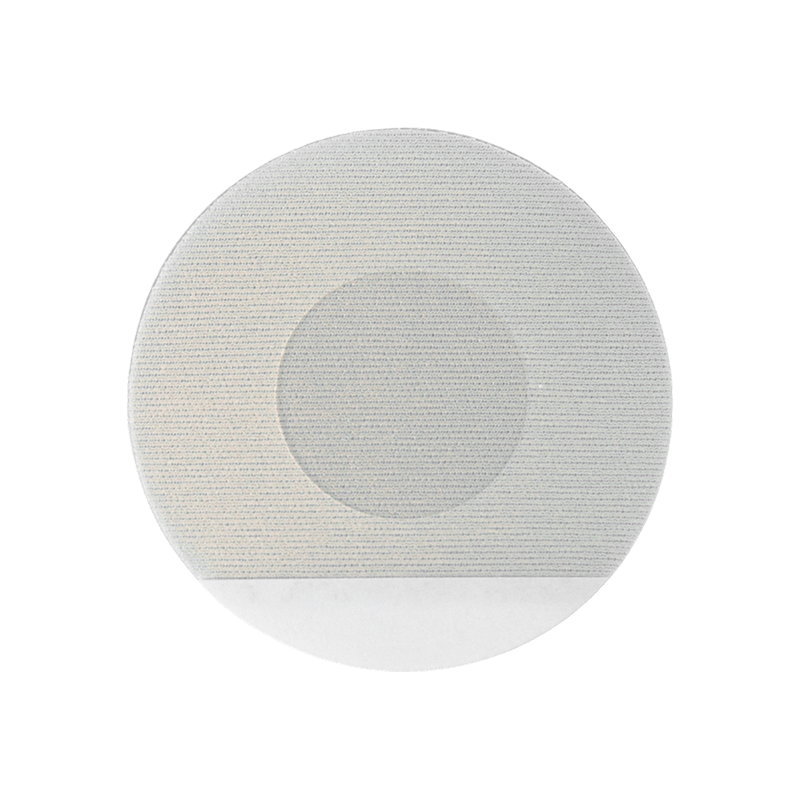
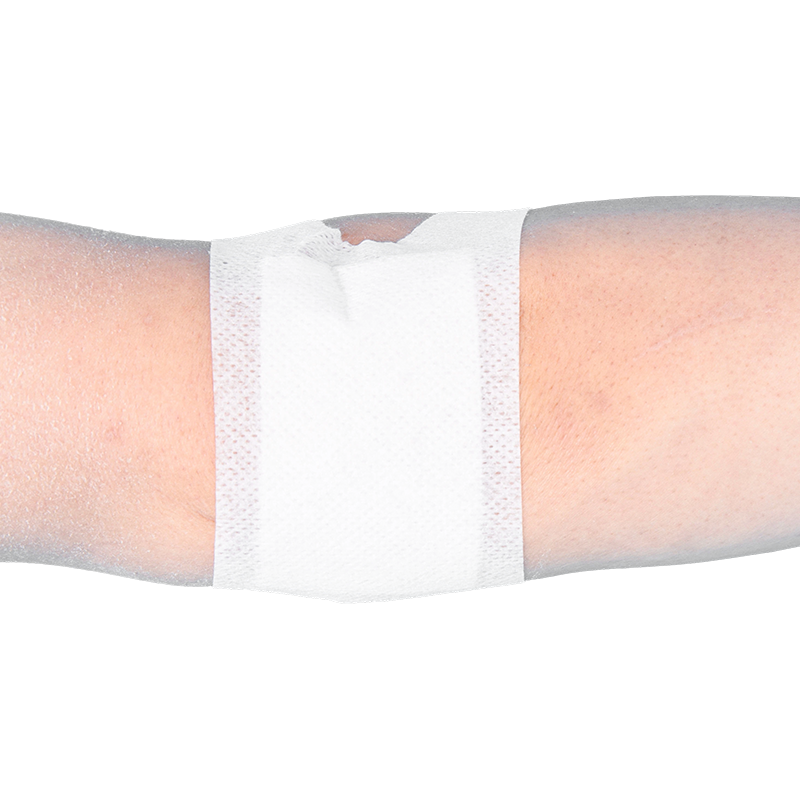
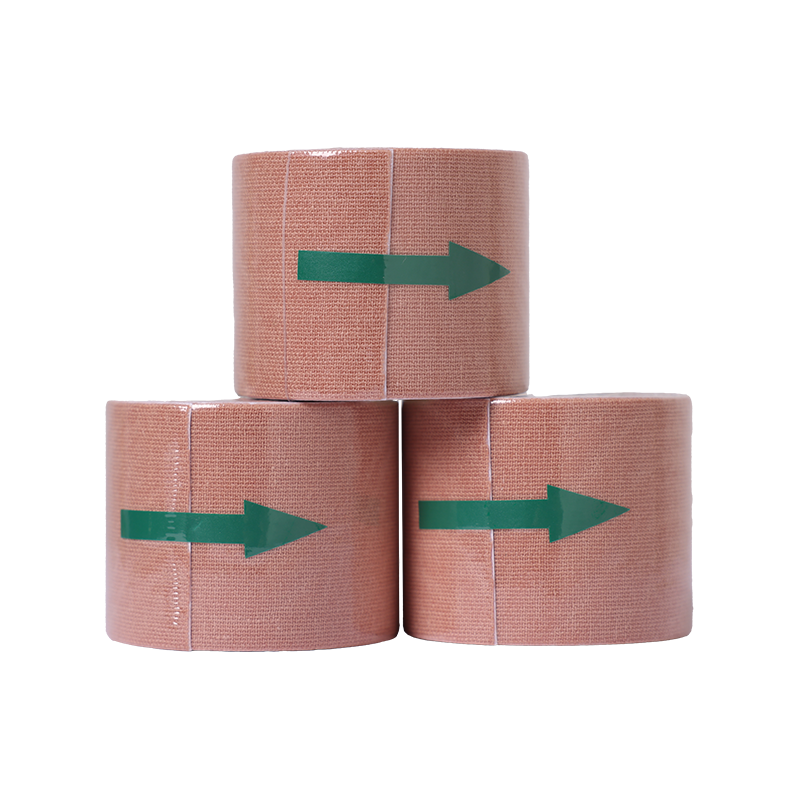
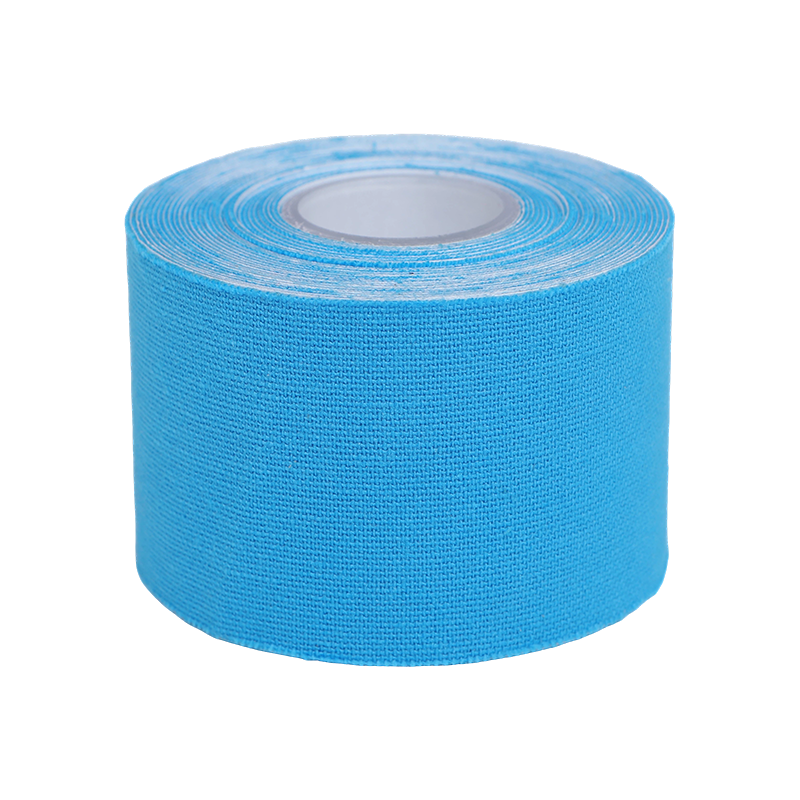
Founded in 2014, STIC has grown into a technology-driven manufacturer of medical-grade silicone adhesive products, operating a 5,000-square-meter Class 100,000 GMP cleanroom backed by a 30-plus-member R&D team and more than 10 formulation patents. That infrastructure underpins product lines spanning hospital and clinical care items — medical tapes, wound dressings, I.V. dressings, catheter fixation devices, and foam dressings — alongside home care, scar management, and sports taping products, all of which depend on tight, consistent gel formulation — the backdrop against which the new inspection project takes shape.
Addressing Inspection Bottlenecks
Manual inspection has long been constrained by inconsistent standardization and human error, limitations that carry particular weight in medical-grade silicone gel production, where purity and reliability are non-negotiable. With standard products shipping within 48 hours of ordering and annual output exceeding 6 million square meters of silicone sheet, STIC has an operational incentive to close inspection gaps without slowing throughput.
STIC and Guangxi University spent the review period evaluating technical routes, on-site adaptability, and expected performance gains against international industry standards before finalizing the implementation plan.
What the System Is Expected to Deliver
Once deployed, the inspection system is intended to:
- Improve full-process inspection accuracy and speed
- Reduce labor costs and manual error rates
- Enable faster identification of production defects
- Strengthen overall quality-control consistency across high-volume production runs
Company materials describe quality control as embedded at every stage of production, from vetting upstream raw-material suppliers through final product testing — a process the new inspection system is designed to automate and standardize rather than replace outright.
Next Steps
STIC said it plans to deepen research ties with universities and move toward full operational rollout of the inspection system, with the project serving as a template for broader intelligent-manufacturing upgrades across its production line. The company has positioned the initiative alongside its existing OEM/ODM customization capabilities, which support custom adhesive formulations, stickiness levels, and product structures for long-term manufacturing partners.
About STIC (Shanghai) Co., Ltd.
STIC is a Shanghai-based manufacturer specializing in medical-grade silicone gel adhesive products for hospital/clinical care, home and daily care, and fashion, beauty, and sports applications. The company's products are manufactured to ISO, CE, and FDA-aligned standards and are supplied to healthcare and consumer markets internationally.
About Guangxi University's School of Mechanical Engineering
The school focuses on research and education in mechanical engineering and intelligent manufacturing, with an emphasis on applying academic research to industrial settings.