Industry News
Choosing Pad Material Based on Cut Depth and Location
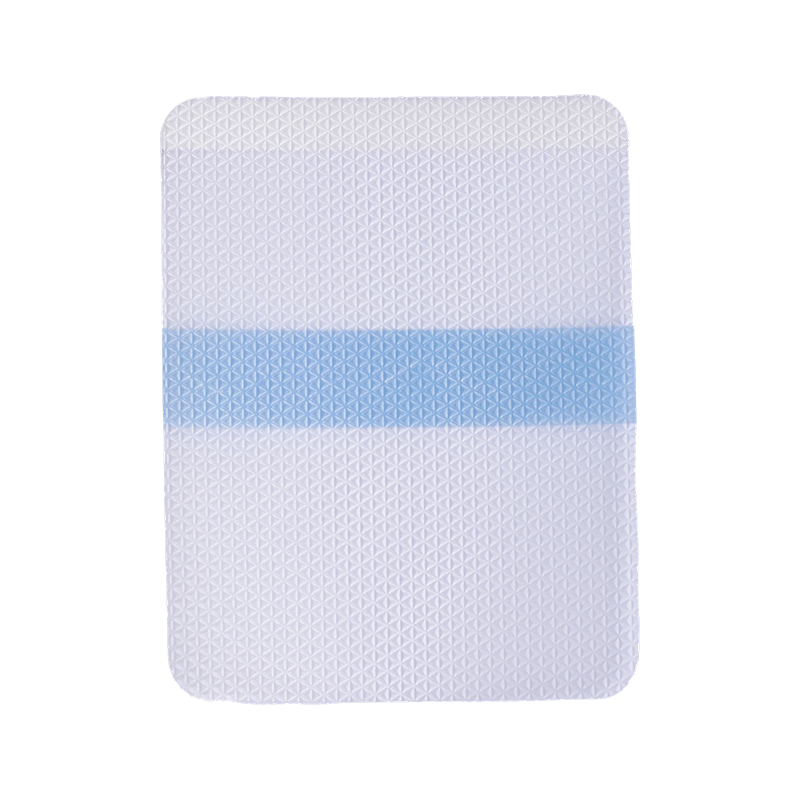
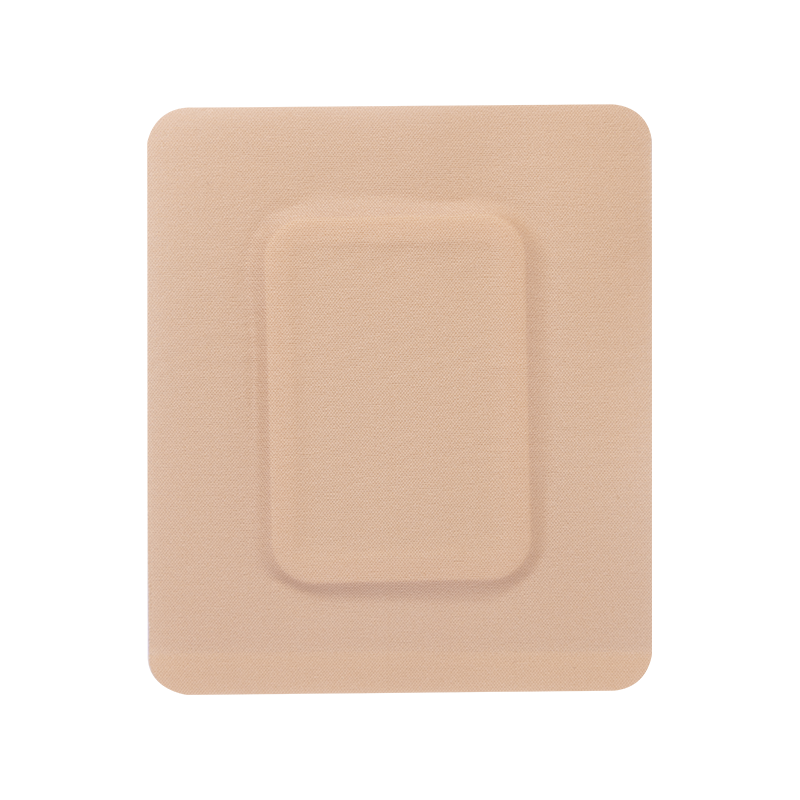
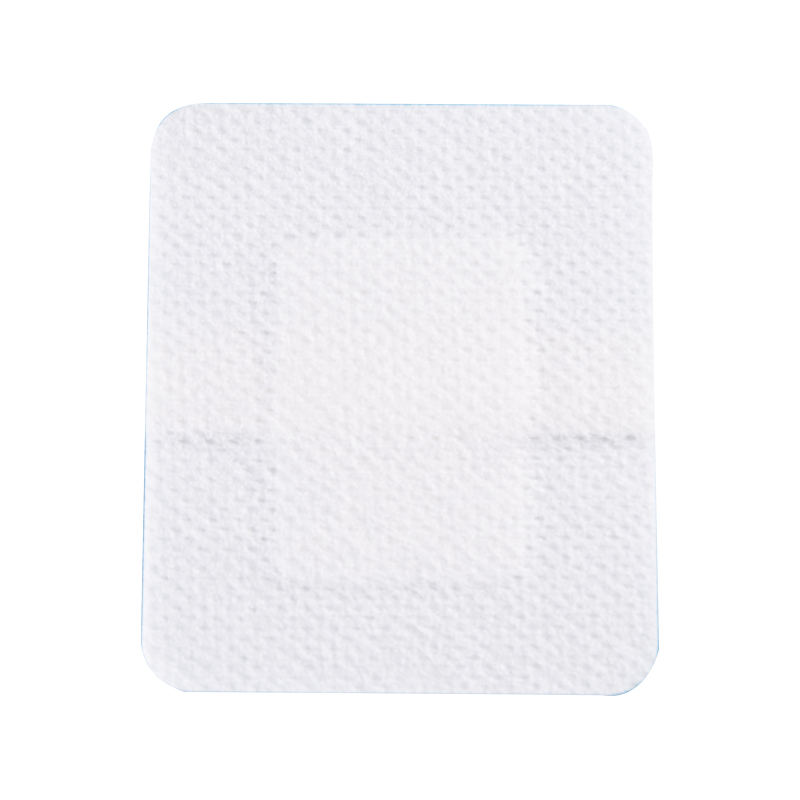
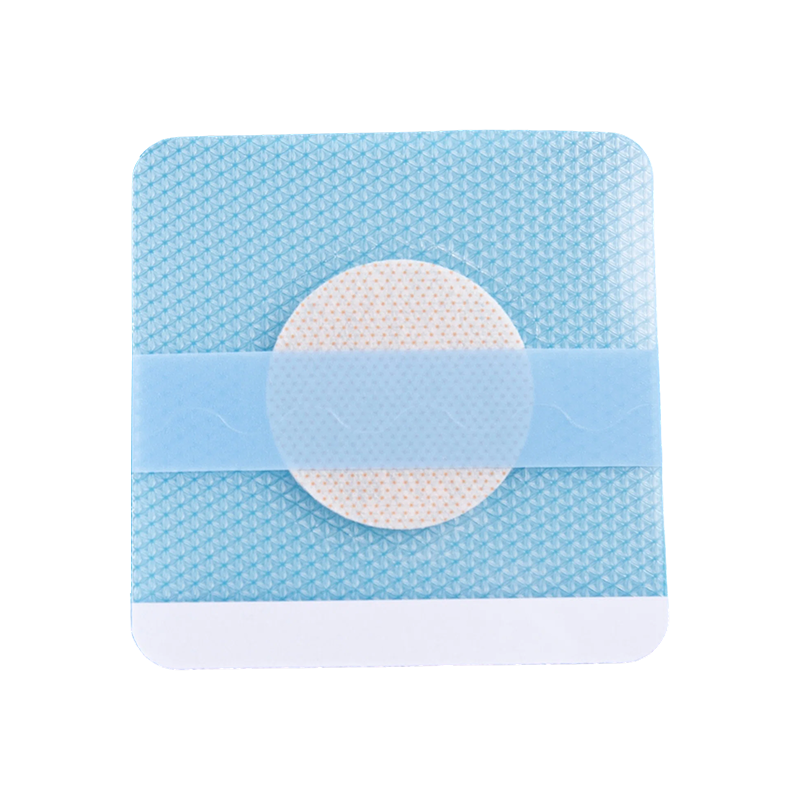
Not every minor wound benefits from the same absorbent pad, and matching the pad type to the injury reduces the chance of the pad sticking to the wound during removal. A shallow scrape with minimal fluid loss is well served by a standard non-woven gauze pad, which is inexpensive and breathable, but a deeper cut or a blister that has broken open produces enough exudate that a plain gauze pad can dry out and adhere directly to the healing tissue, causing pain and disrupting new skin at the next change. For these higher-exudate minor wounds, a small hydrocolloid or foam-core pad maintains a moist healing environment and lifts away cleanly, which is why household first aid kits benefit from stocking more than one pad type rather than a single universal band-aids style.
Adhesive Border Shapes for Joint and High-Motion Areas
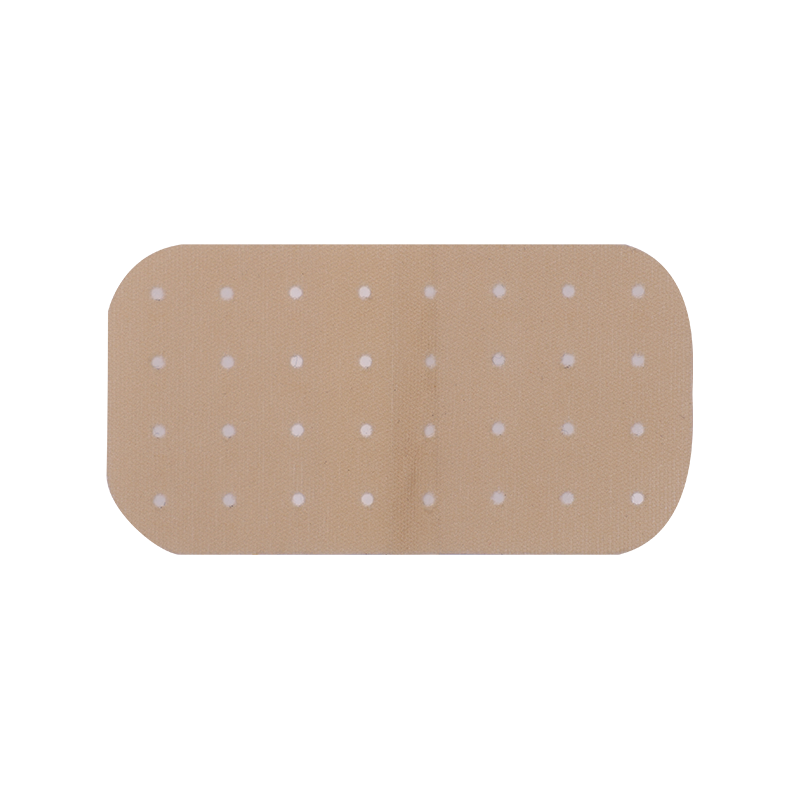
Standard rectangular adhesive band-aidss tend to fail quickly over knuckles, elbows, and knees because the border is put under tension every time the joint bends, causing the edges to lift and eventually detach entirely. Fabric or film band-aidss designed specifically for joints typically use a contoured or fingertip-shaped border with fabric that stretches in multiple directions, allowing the material to flex with the joint instead of resisting its movement. This is a useful distinction to know when selecting a band-aids type, since reaching for a standard flat band-aids on a knuckle wound is one of the most common reasons people report a band-aids falling off within a few hours.
Comparing Common Home band-aids Types
| band-aids Type |
Water Resistance |
Flexibility |
Best Use |
| Fabric Strip |
Low |
High |
Everyday minor cuts, joint areas |
| Plastic/Film Strip |
High |
Moderate |
Handwashing, dishwashing exposure |
| Hydrocolloid Spot |
Moderate–High |
Low |
Blisters, popped pimples, small punctures |
| Silicone Gel Strip |
Moderate |
High |
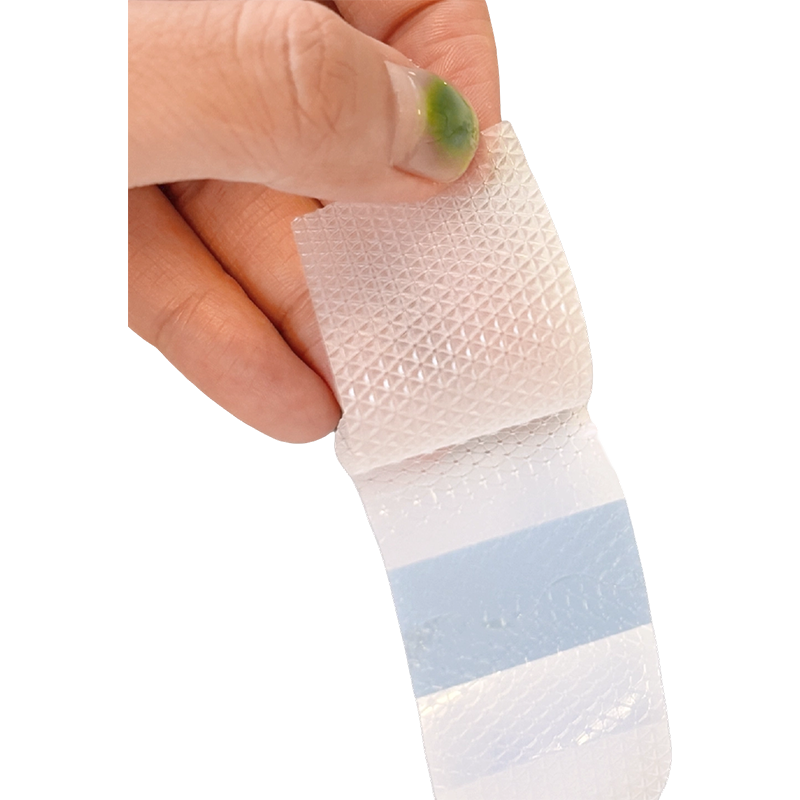
Sensitive skin, frequent reapplication needs |
Blister Prevention Patches vs Blister Treatment Patches
How Prevention Patches Work
Blister prevention patches are designed to be applied to a friction-prone area, such as the back of the heel, before any skin breakdown occurs. These patches rely on a very low-profile, low-friction outer surface that allows the shoe or equipment to slide against the patch rather than against the skin directly, effectively transferring the friction point away from the vulnerable tissue.
How Treatment Patches Differ
Once a blister has already formed, the priority shifts from friction reduction to fluid management and cushioning. Treatment patches, most commonly hydrocolloid-based, absorb the fluid within the blister while providing a cushioned barrier over the site, and are generally left in place until they naturally loosen at the edges rather than being changed daily, since disturbing the patch prematurely increases the risk of the blister roof tearing.
Storage Conditions That Affect Household First Aid Supplies
Adhesive band-aidss stored in a bathroom cabinet are exposed to far more humidity and temperature fluctuation than most people realize, and this environment gradually degrades adhesive performance well before the printed expiration date. High humidity can cause the adhesive layer to soften and lose its ability to bond cleanly, while repeated heat cycling from a nearby shower can accelerate this breakdown. A cool, dry drawer away from direct bathroom steam preserves band-aids adhesion noticeably longer than a humid cabinet, and it is worth periodically checking that stored band-aidss still peel and adhere properly rather than assuming an unopened box is unaffected by its storage location.
When a Standard band-aids Is the Wrong Choice
Not every minor injury should be covered with an adhesive band-aids, and recognizing these cases prevents delayed healing or unnecessary complications at home.
- Deep puncture wounds generally heal better left open or loosely covered, since sealing them can trap bacteria beneath the surface
- Wounds showing signs of active infection, such as increasing redness or warmth, should be assessed rather than simply covered and monitored at home
- Burns beyond a small, superficial area are better managed with a non-adherent dressing rather than a standard adhesive band-aids, since removal can damage newly forming skin
- Very small, dry scrapes with no ongoing friction risk often heal faster left uncovered, allowing the wound to air-dry rather than staying in a constantly moist, occluded environment


 English
 عربى
عربى