Industry News
How Anchor Geometry Affects Tube Stability
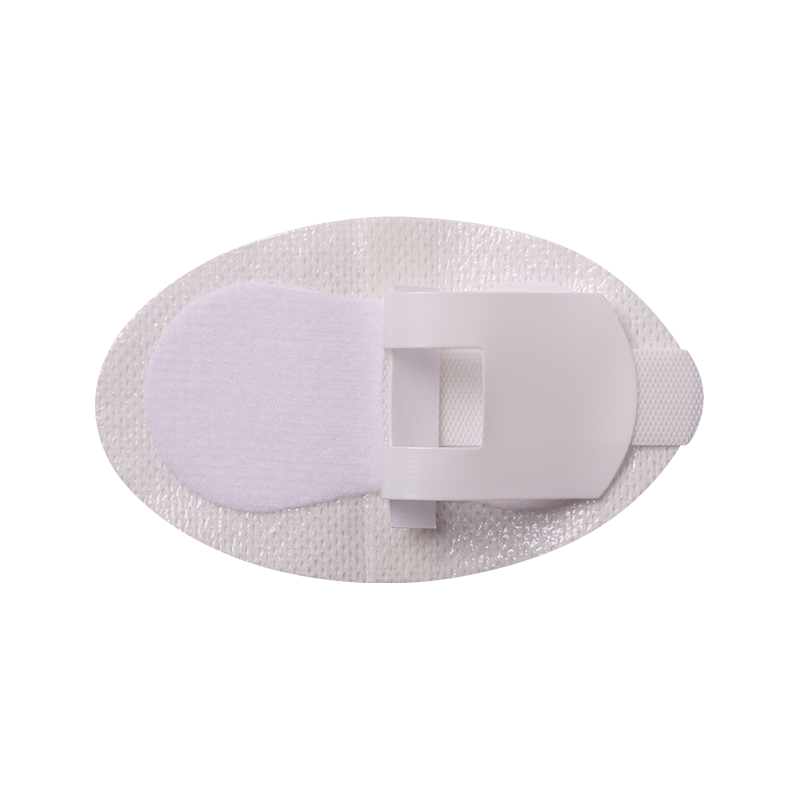
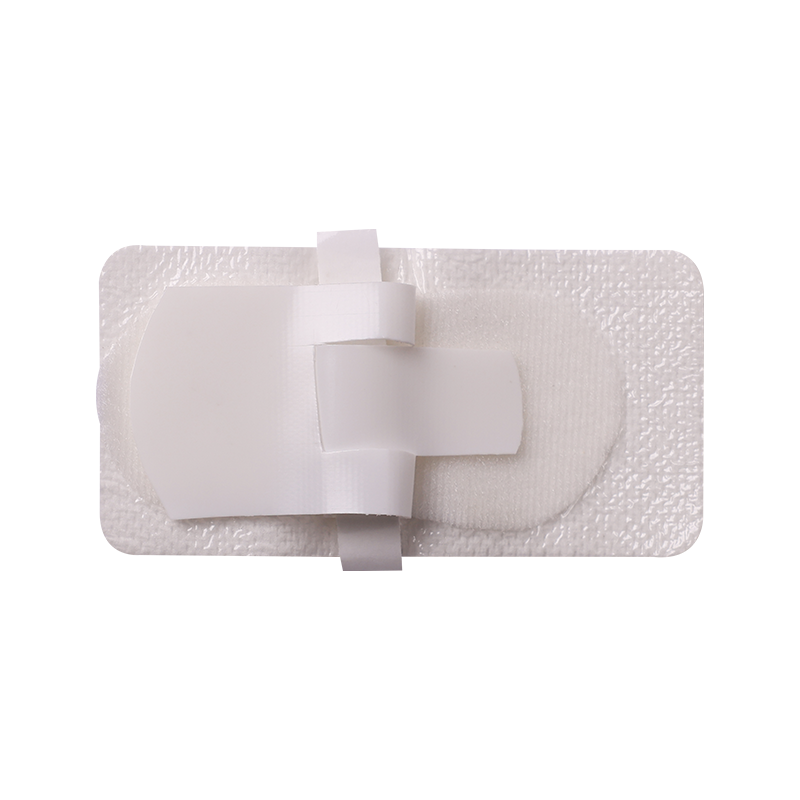
The shape of the anchoring pad and the way the securing strap wraps around a catheter or tube has a much bigger effect on stability than the adhesive strength alone. A single flat strap crossing over a round tube tends to allow rotational movement, since the tube can still roll within the strap even when the strap itself is firmly stuck to the skin. Designs that use a molded channel or a wraparound wing that partially encircles the tube resist this rotation, because the tube is captured on more than one plane rather than just pressed flat against a single adhesive surface. This distinction matters most for devices prone to torque, such as chest tubes or nephrostomy catheters, where rotational movement at the skin exit site is a common driver of local tissue irritation.
Not all catheters place the same demands on a fixation device, and selecting based on tube diameter alone often overlooks other relevant factors such as expected dwell time and how much axial pull the device typically experiences.
| Catheter Type |
Typical Pull Force |
Fixation Priority |
| Foley Catheter |
Low–Moderate |
Thigh mobility allowance, leg-strap flexibility |
| Central Venous Catheter |
Low |
Long-wear adhesive stability, low irritation |
| Chest Tube |
High |
Torque resistance, reinforced anchoring wings |
| Feeding Tube |
Moderate |
Repositionability for daily site rotation |
Preventing Pressure Injury at the Fixation Site
Why Fixation Devices Can Cause Localized Pressure Damage
Because fixation devices are designed to hold a tube firmly in one position, the skin directly beneath the anchor point can experience sustained, concentrated pressure rather than the intermittent contact typical of a standard dressing. Over several days, this can lead to a device-related pressure injury even in patients without other typical pressure injury risk factors, particularly at sites with thin subcutaneous tissue such as the nasal ala or the sacrum.
Design Features That Reduce This Risk
- A cushioned or gel-padded base under the tube contact point spreads pressure across a wider area
- A slightly raised channel that lifts the tube off the skin surface rather than pressing it flat against the anchor pad
- Rotating the fixation site periodically for long-dwell devices, when clinically appropriate, to give any compressed tissue time to recover
Securement Strength vs Emergency Release Requirements
A fixation device needs to hold firmly under normal conditions but also needs a controlled failure point for situations where a patient catches the tube on furniture or bedding. Devices with no deliberate weak point transmit the full pulling force directly to the insertion site, which increases the risk of accidental dislodgement or tissue tearing at the catheter exit point. Some fixation designs address this by incorporating a breakaway feature in the strap or connector that releases at a lower force threshold than the skin adhesive itself, so the tube separates from the fixation device before the anchor pad is pulled from the skin. This approach protects the insertion site at the cost of the device needing to be reapplied, which is generally viewed as an acceptable trade-off compared to an unplanned catheter removal.
Adhesive Selection for Devices Near Mucosal or Semi-Mucosal Skin
Fixation devices used near the nose, mouth, or stoma sites sit close to mucosal tissue that behaves differently from typical epidermis, being thinner, more vascular, and more sensitive to prolonged occlusion. Adhesive formulations for these locations are generally tuned toward lower coating weight and higher initial breathability rather than maximum hold strength, since the priority shifts from long, undisturbed wear time toward minimizing localized irritation on tissue that heals and reacts faster than skin elsewhere on the body. This also affects removal technique: mucosal-adjacent adhesive should be released with a low, slow-angle pull rather than a quick lift, since the surrounding tissue tolerates shear force poorly compared to standard skin.
Assessing Fixation Device Performance During Patient Transport
Fixation devices are frequently tested under static or lightly simulated conditions, but real-world failure often occurs during patient transport, repositioning, or transfer between beds, when tubes experience sudden, unpredictable tension rather than steady load. A fixation device that performs well under a controlled pull test may still underperform if it cannot absorb a sudden jerking motion, since silicone adhesive bonds respond differently to slow, sustained load compared to a rapid, high-force tug. Devices intended for high-transport environments, such as ICU or ambulance use, benefit from strap or wing designs with a small amount of built-in give, allowing the device to flex and absorb sudden force rather than transferring it directly to the adhesive bond or the insertion site.


 English
 عربى
عربى