Introduction
STIC’s TCM Essentials series is developed to support traditional application practices using advanced silicone adhesive technology.
Designed for acupoint-based applications, these silicone patches provide gentle, reliable fixation for herbal materials, seeds, or other functional elements used in traditional care routines. By combining skin-friendly adhesion with flexible, breathable structures, this series enables comfortable wear across different body areas and durations.
It represents a modern approach to supporting traditional techniques with improved consistency, hygiene, and ease of use.
Application Scenarios
STIC TCM Essentials are suitable for:
• Acupoint application practices
• Herbal patch fixation
• Seed-based application (e.g., for auricular or body points)
• Daily wellness routines
• Long-duration skin contact applications
• Professional TCM clinics and home care use
They are widely used in:
• TCM clinics and therapy centers
• Wellness and alternative care settings
• Home-based daily routines
• Retail and pharmacy channels
Product Variations
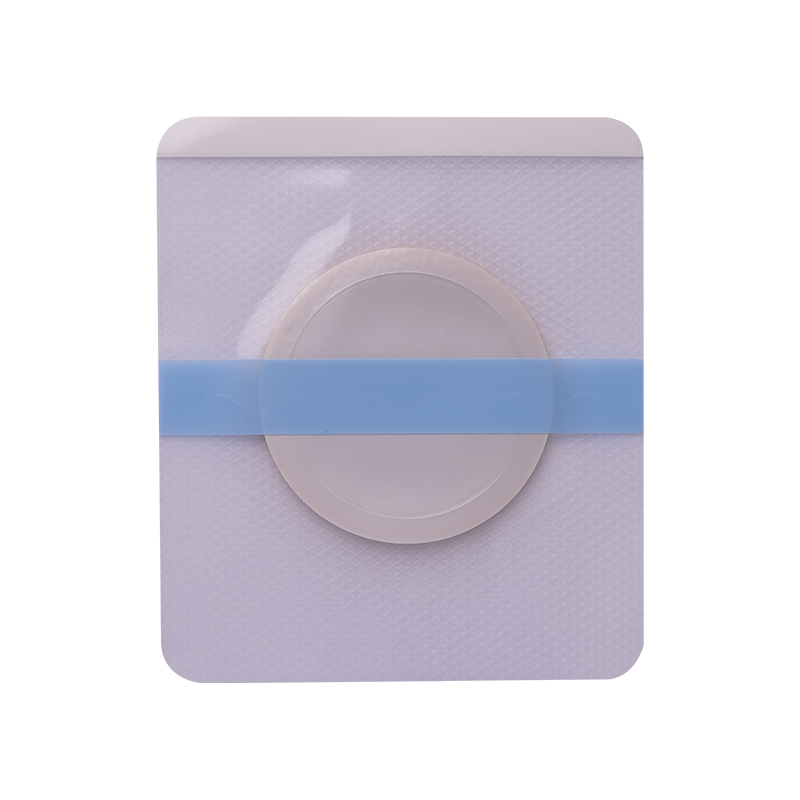
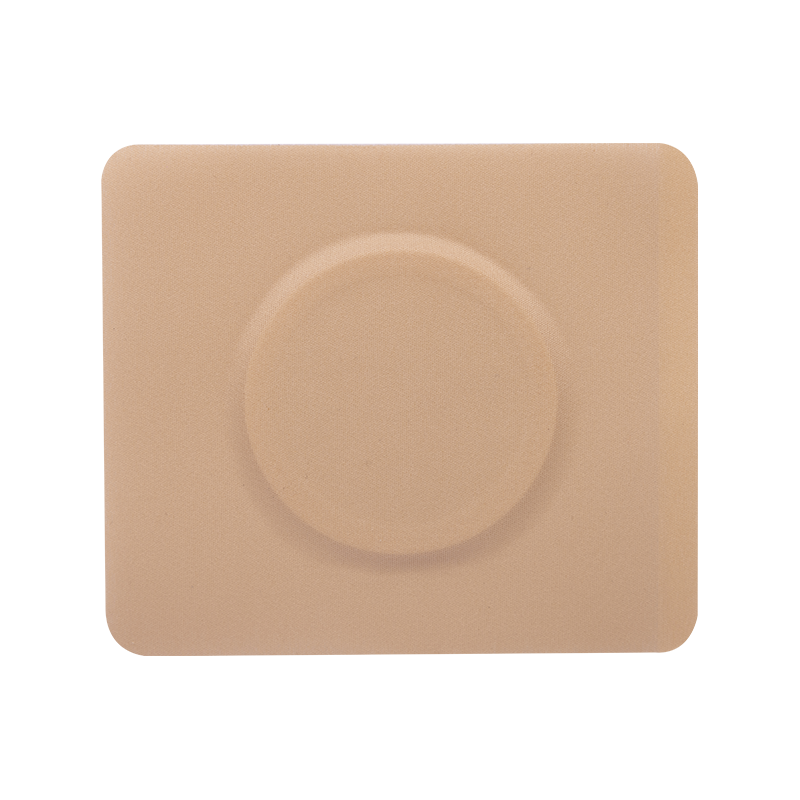
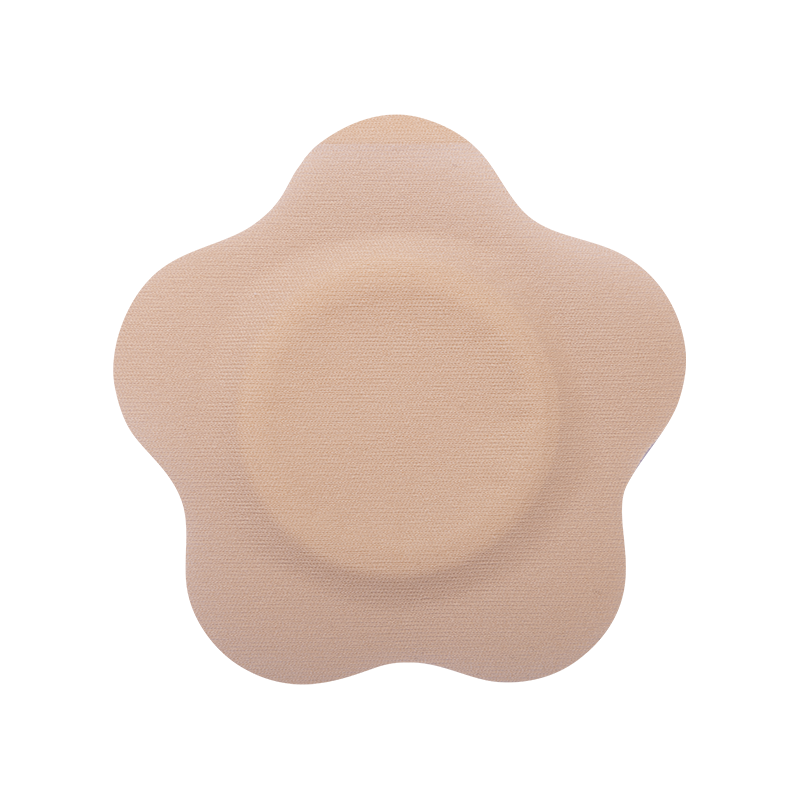
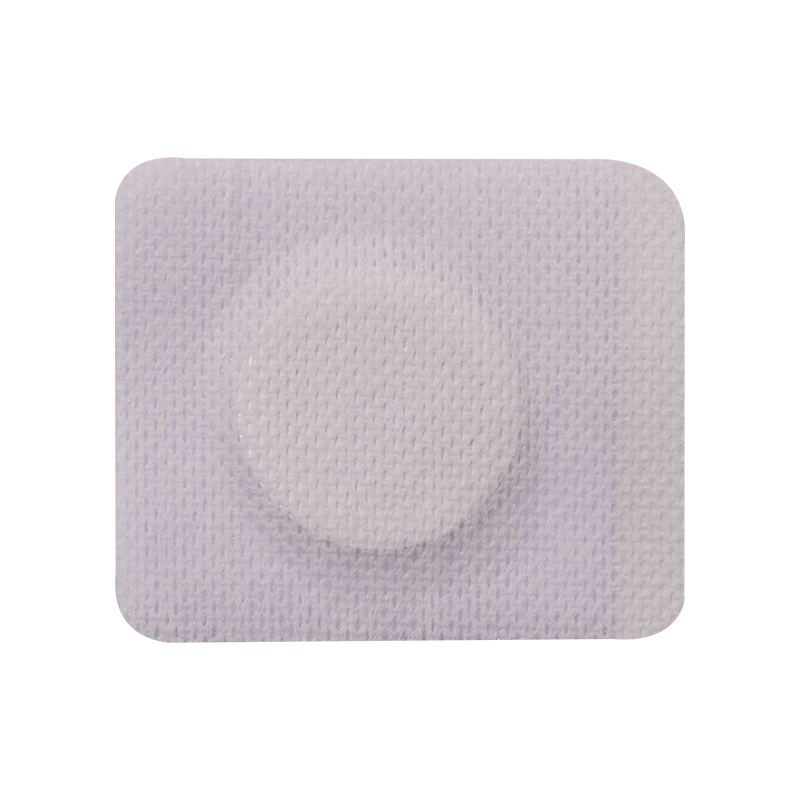
To meet different application needs, this series includes silicone acupoint patches with various backing materials:
• Non-woven fabric backing – soft, breathable, and suitable for general use
• Stretchable fabric backing – flexible and ideal for joints or high-movement areas
• PU film backing – thin, waterproof, and discreet for daily wear
Each type is designed to balance comfort, adhesion stability, and suitability for specific use scenarios.
Research, Design & Manufacturing Highlights
STIC TCM Essentials are developed with a focus on skin compatibility, adhesion balance, and practical usability in traditional application contexts.
Highlights include:
• Silicone adhesive formulation expertise for gentle, low-irritation skin contact
• Controlled coating processes to ensure consistent adhesion performance
• Material selection aligned with wear scenarios, including breathable, stretchable, and waterproof options
• Precision die-cutting and converting for uniform patch size and clean edges
• Quality-controlled production processes to maintain batch consistency
This approach ensures that each patch provides stable fixation while remaining comfortable during extended wear.
Key Advantages
• Gentle adhesion suitable for sensitive or long-duration use
• Comfortable removal without skin damage
• Flexible and comfortable design for different body areas
• Stable fixation for herbal or functional materials
• Clean and hygienic application compared to traditional tapes
STIC Advantages
• Strong foundation in medical-grade silicone adhesive technology
• Experience in long-term skin-contact product development
• Consistent production quality and scalability
• Flexible OEM/ODM capabilities
• Ability to support both professional and consumer markets
Customization & Partner Services
We offer comprehensive OEM / ODM solutions for TCM-related applications:
• Custom shapes and sizes for different acupoints
• Adhesion strength adjustment for various wear durations
• Multiple backing material options
• Pre-loaded or blank patch formats
• Private label packaging and branding support
Bridging Tradition and Modern Materials
STIC believes that traditional application methods can benefit from modern material innovation.
By introducing silicone-based adhesion into TCM-related practices, we aim to enhance comfort, consistency, and usability—while respecting the principles of traditional approaches.


 English
 عربى
عربى