English
 عربى
عربى
Yes, you can shower with silicone scar tape, but only when the tape is water-resistant, the scar is closed, and you keep the exposure short. That is the practical answer to a question that comes up in nearly every scar care conversation. The longer answer is that a silicone scar tape is not a waterproof shield. A short rinse is manageable; a long bath is not. Understanding the difference protects both your healing outcome and the lifespan of your tape.
Content
How silicone scar tape behaves in the shower
Silicone gel is naturally water-repellent. When you hold a silicone scar sheet under a tap, water beads up and rolls off the surface instead of soaking into the gel. That is why a clinical overview of silicone gel scar sheets often describes them as water-resistant rather than waterproof. The weak point is not the gel itself; it is the adhesive edge that meets the skin.
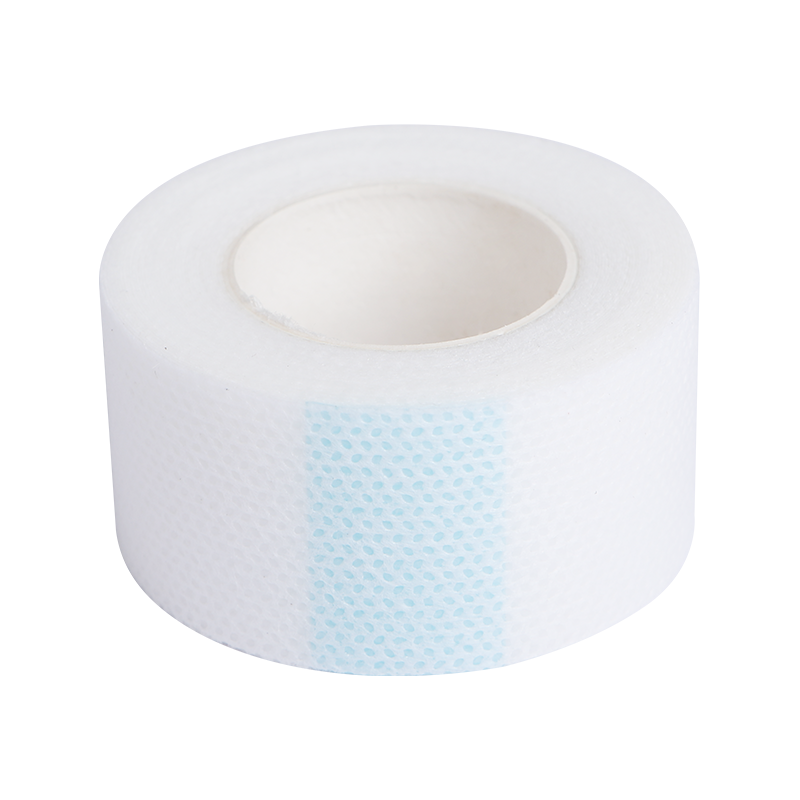
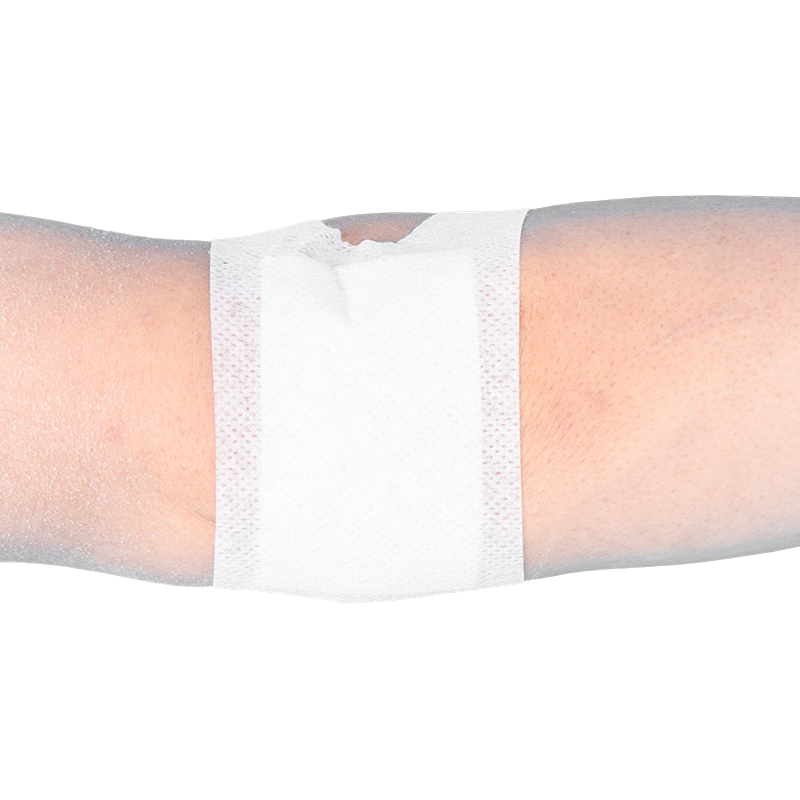
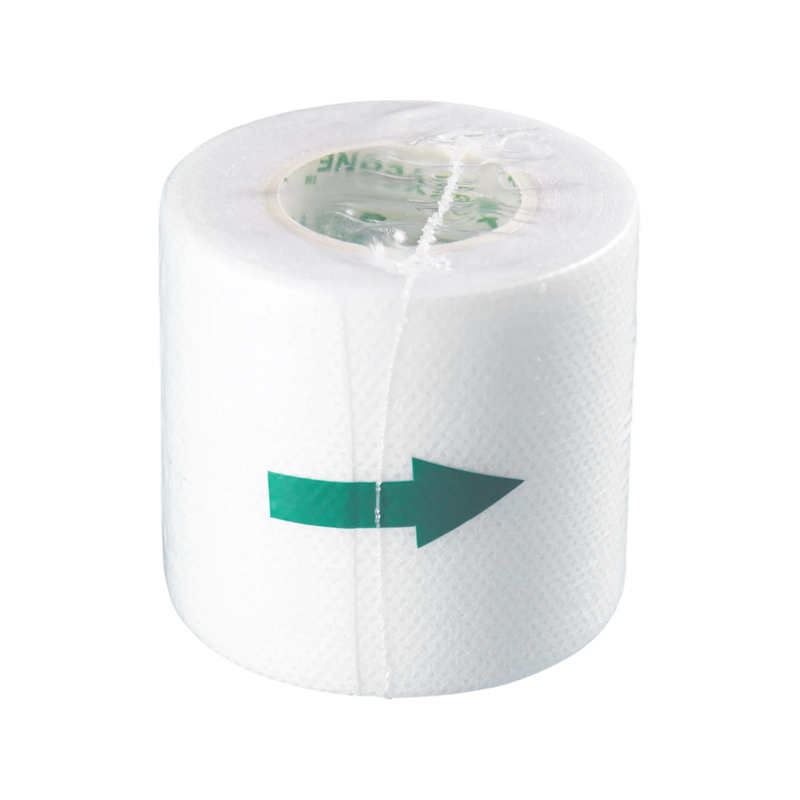
Most silicone scar tapes have a thin adhesive layer coated onto a backing of elastic fabric, nonwoven, or transparent PU film. If the entire tape is pressed down evenly, water has little chance to enter. If even one edge is curled or lifting, water can creep underneath and separate the adhesive from the skin. Heat, soap, and steam speed up this process because they soften the silicone adhesive and wash away the oils that help it stick.
For a healed scar, a few minutes of wet exposure is rarely a problem. For a recent post-surgical incision, it is a different risk. Fluid trapped between the tape and a wound that is still healing can cause maceration or infection. You should not shower with a silicone scar tape over an open wound, a weeping area, or an incision with crusting that is not fully closed.
Showering safely with silicone scar tape
If you decide to keep the tape on, use a routine that minimizes water contact:
- Inspect every edge before you turn on the water. If the tape is lifting, dirty, or no longer sticky, remove it and use a fresh piece after your shower.
- Keep the shower under 5 to 10 minutes. Wear the tape away from the direct spray when possible.
- Use lukewarm water instead of very hot water. High temperature makes the adhesive more mobile and easier for water to bypass.
- Let soapy water run over the area, but do not rub or scrub the tape. Rubbing forces water and soap under the edge.
- Pat the skin and tape dry with a towel immediately after showering. Rubbing can pull the tape off.
- Wait at least 10 to 15 minutes before deciding whether to continue wearing it. If the tape feels wet or has lifted, replace it once the skin is completely dry.
The table below summarizes the decisions in simple terms.
| Situation | Recommended action | Reason |
|---|---|---|
| Healed scar, sealed edges, quick shower | Leave the tape on | Short exposure and silicone hydrophobicity protect adhesion |
| Hot bath, soak, sauna, or steam room | Remove the tape first | Heat and prolonged moisture accelerate edge lifting |
| Fresh incision that is not fully closed | Remove and keep the area dry | Trapped fluid increases the risk of maceration or infection |
| Edges already lifting or tape feeling dirty | Remove before showering | Water will worsen the poor seal and contaminate the surface |
| Within the first 24 hours after application | Avoid water contact until it bonds well | A new adhesive layer needs time to form a continuous grip |
When to remove the tape before showering
Take the tape off if your skin tells you to. Redness, itching, soreness, or a rash under the tape are signs of irritation, and adding water will not help. The same applies if the tape has been worn for several days and the adhesive no longer feels smooth. A tape that has lost its tack cannot keep water out, so it should be changed.
A newly applied silicone scar sheet also needs time to settle. If you put it on and then step into a shower immediately, droplets can become trapped under the surface, creating small bubbles that reduce the visible contact area. Give the tape at least 12 to 24 hours of dry wear before exposing it to moisture. If your clinician has told you to keep the wound completely dry, follow that instruction rather than the general water-resistant guidance.
Choosing a shower-friendly silicone scar tape
The backing material and adhesive quality determine whether the tape survives a shower. A flexible, breathable product with a medical-grade silicone adhesive is more likely to stay in place than a stiff acrylic tape that absorbs water. For daily scar management, a medical-grade silicone scar sheet gives you a reusable, water-resistant option that can stay on for days and then be cleaned and reapplied.
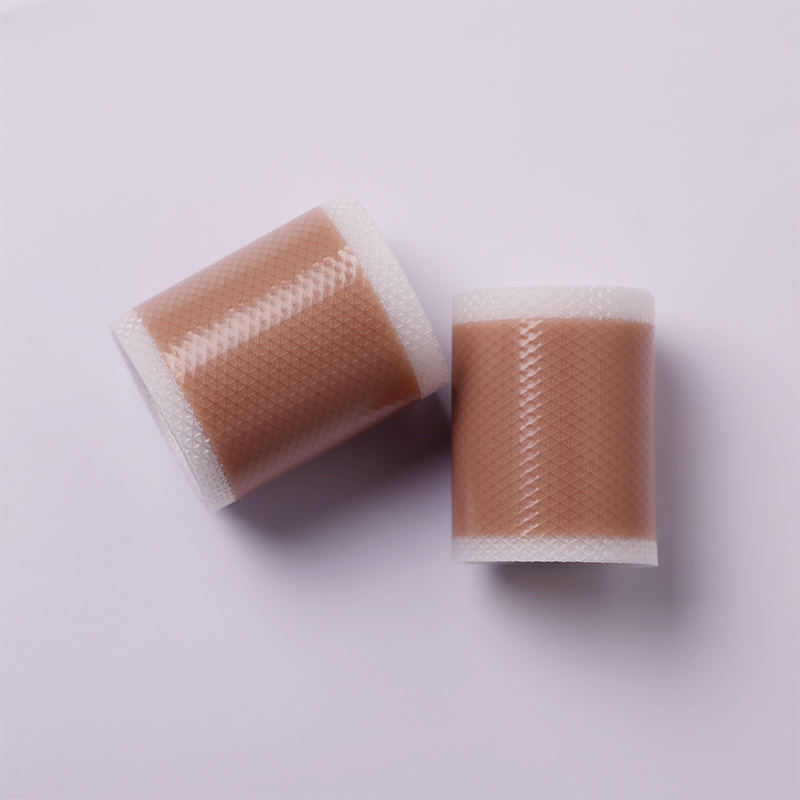 Hypoallergenic Silicone Scar Roll Sheet Suppliers, Wholesale Factory - STIC (ShaSTIC (Shanghai) Co., Ltd. is China Hypoallergenic Silicone Scar Roll Sheet Suppliers and Factory, Wholesale Hypoallergenic Silicone Scar ...View Product →
For a long linear scar, a silicone scar strip is easier to trim and usually fits more discreetly under clothing. The shower routine stays the same: check the edges, keep the rinse short, and pat the area dry. Look for a product that is explicitly marked water-resistant and designed for repeated wear.
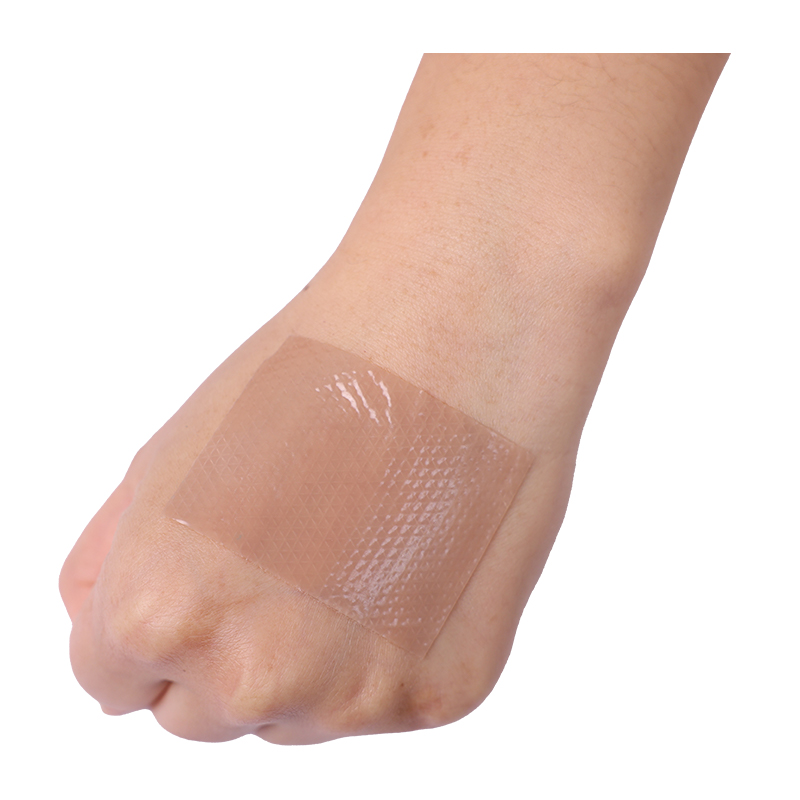 Reusable Silicone Scar Strip Suppliers, Wholesale Factory - STIC (Shanghai) Co.,STIC (Shanghai) Co., Ltd. is China Reusable Silicone Scar Strip Suppliers and Factory, Wholesale Reusable Silicone Scar Strip for sale, S...View Product →
For clinicians and distributors, the specification behind the label matters. A manufacturer that produces in a controlled environment, follows medical-grade standards, and tests adhesion after washing is easier to trust. At STIC (Shanghai) Co., Ltd., we make silicone scar products in a 100,000-class GMP cleanroom and formulate our silicone adhesives for stable skin contact, which gives patients a more reliable answer when they ask whether they can wear the tape in the shower.
Bottom line
You do not need to remove a silicone scar tape every time you shower, but you should treat water as a test of the tape's seal. Keep showers short, dry the tape gently, and replace it when the edges start to lift or the adhesive stops feeling firm. If the scar is closed and the tape is intact, showering is a reasonable part of daily wear. If the wound is still open or the tape has any sign of failure, take it off before the water starts.