English
 عربى

If you have ever peeled a dressing off a healing incision and felt nothing more than a gentle tug, you have already met a silicone gel pad. These soft, slightly tacky patches have quietly become one of the most trusted skin-contact materials in wound care, scar therapy, device fixation, and even daily beauty routines. They are not really one product, but a whole family of them built on the same idea: a medical-grade silicone gel adhesive that holds without gripping.
Because we manufacture these pads, we spend a lot of time thinking about how they are specified, tested, and actually used. What follows is a practical walkthrough of what a silicone gel pad is, how it differs from an ordinary adhesive pad, where each format fits best, and how to choose one that suits your skin and your situation.
Content
What Is a Silicone Gel Pad, Exactly?
A silicone gel pad is a flat, flexible patch whose skin-facing surface is a layer of cross-linked silicone gel rather than acrylic, rubber, or hydrocolloid adhesive. That single design choice changes almost everything about how the pad behaves: it sticks to dry skin through gentle surface contact, it releases without pulling, and it leaves no sticky residue behind.
The gel itself is a cured silicone network. It is not dissolved in a solvent and it does not rely on rosin or tackifying resins to become sticky, which is one reason it tends to suit sensitive or fragile skin. The adhesive is already "active" the moment you take it out of the package; no heat, moisture, or pressure ritual is required to switch it on.
Most pads sold today stack a few layers together:
- A release liner, usually a PE or PET film, that you peel away before use.
- The silicone gel adhesive layer, which is the part that touches skin.
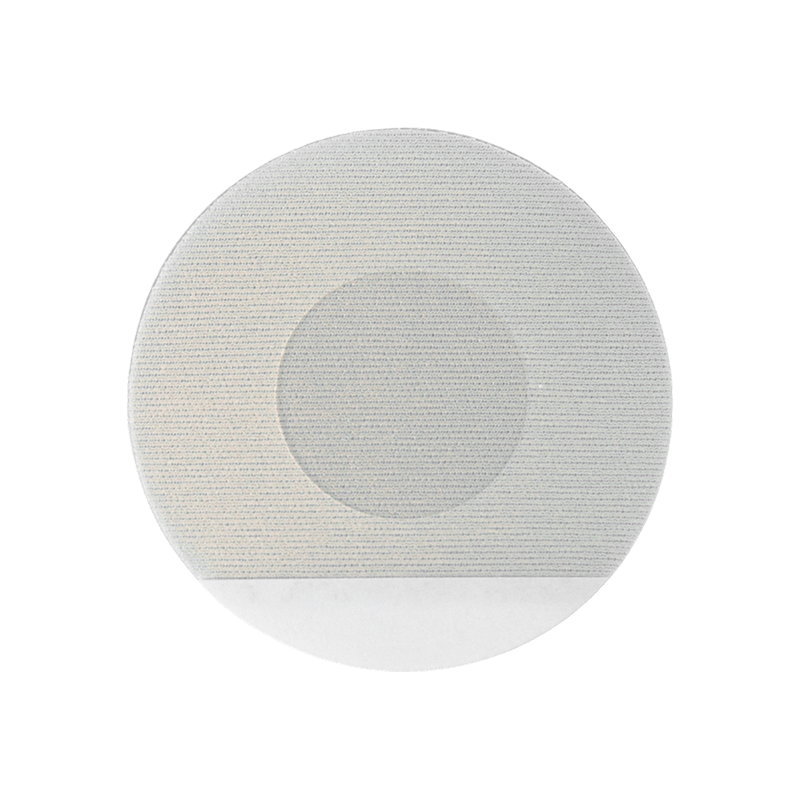
- A carrier or backing that gives the pad its shape and strength, such as a transparent PU film, a nonwoven, an elastic fabric, or a soft foam.
- An optional functional layer, such as an absorbent cotton island, a foam core, or a perforated pattern that lets air and moisture pass through.
Change the backing and the shape, and the same gel chemistry can become a post-surgical dressing, a scar sheet, a transparent IV cover, a shaped bandaid, or a facial patch. That flexibility is why the term "silicone gel pad" covers so many different products.
How a Silicone Gel Pad Behaves on Skin
The defining characteristic of silicone gel is its low surface energy combined with a very soft, conformable structure. It wets out against the skin and holds through intimate contact rather than aggressive chemistry. Peel forces are typically low and steady, so the adhesive lifts away in one calm motion instead of snapping.
In daily practice, that translates into a few things people notice quickly. The pad can often be lifted and repositioned without losing its grip, which is useful when you are placing something over a joint, a curved ankle, or a bony prominence. It conforms to wrinkles and folds rather than bridging over them. And because silicone is hydrophobic, the pad does not soften into a gummy mess when it comes into contact with moisture.
The trade-off is worth understanding. Silicone gel does not stick well to wet, oily, or heavily hair-covered skin, and it is not designed for heavily exuding wounds unless it is paired with an absorbent layer. When you need high initial tack on a sweaty surface, a different adhesive system may be the better engineering answer. When you need repeated, gentle removal over days or weeks, silicone gel usually wins.
The Main Types of Silicone Gel Pads
Format follows function. The table below maps the most common constructions to the situations where they tend to be specified.
| Pad Format | Typical Backing | Where It Is Usually Used |
|---|---|---|
| Flat gel sheet | Transparent PU film | Scar management, healing incision lines, fragile skin |
| Perforated or patterned pad | Elastic fabric, nonwoven | Bandaid-style protection, acupoint patches, facial wear |
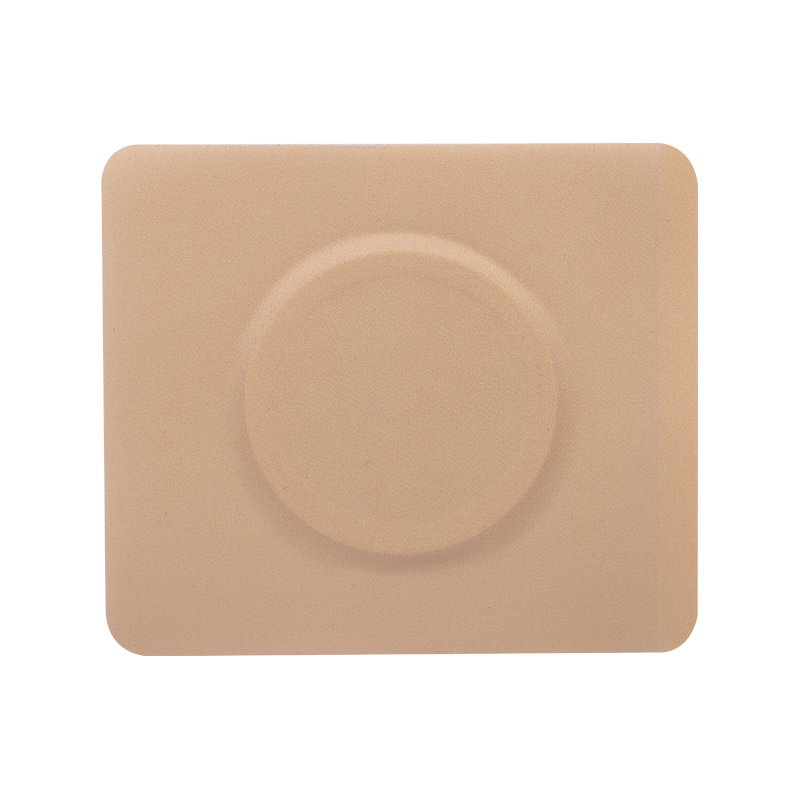
| Foam-backed pad | Soft PU foam with gel border | Wounds with light to moderate exudate, pressure-prone areas |
| Transparent waterproof pad | PU film, full gel coverage | IV sites, shower-proof dressings, securement over intact skin |
| Fixation pad with tabs | Nonwoven or elastic fabric | Catheter, tube, and device stabilization |
Wound and Post-Surgical Dressings
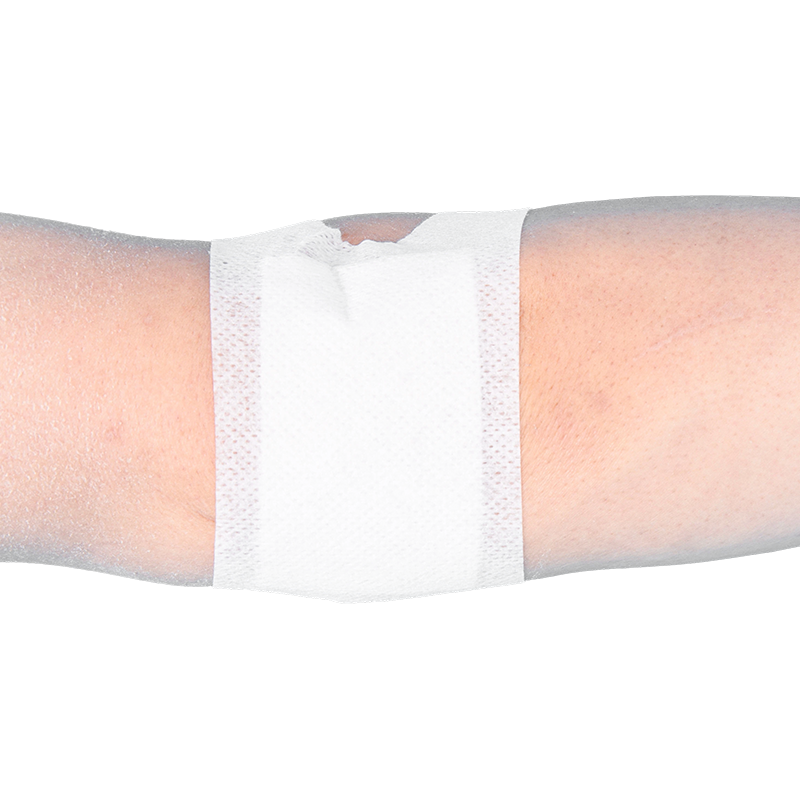
In wound care, the gel layer acts as a gentle interface between the wound bed and the outside world. It helps keep the surrounding skin intact during dressing changes, which matters most when a dressing has to come off every day or two. Breathable nonwoven versions are a common choice for hospitals and distributors because they balance conformability with a clean, dry exterior.
 Non-Woven Breathable Silicone Wound DressingNon-Woven Breathable Silicone Wound Dressing combines a soft non-woven backing, silicone adhesive border, and absorbent island pad for comfortable, routine wound manag...View Product →
If you want a deeper look at how clinicians and distributors evaluate these products, our overview of silicone gel dressings walks through the practical selection criteria.
Scar Management Sheets
Scar sheets are among the most familiar silicone gel pads for consumers. The principle is simple: continuous, comfortable contact with the scar area over weeks or months, without irritating the surrounding skin. Thin, washable, reusable sheets suit raised or linear scars, while perforated strips are often preferred for longer incisions because they flex with movement.
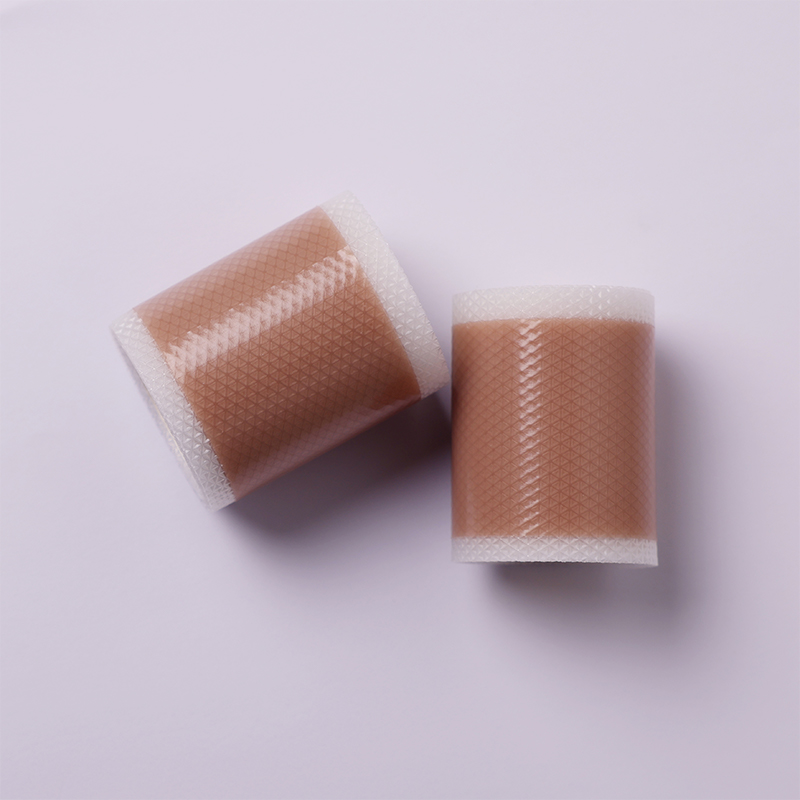 Hypoallergenic Silicone Scar Roll Sheet for Custom CoverageA roll-format silicone sheet that cuts to fit long or irregular scars, supporting consistent, comfortable coverage across extended wear.View Product →
Consistency matters far more than intensity here. A sheet that stays in place comfortably for hours will do more than a stronger adhesive that has to be removed after twenty minutes.
Fixation and Device Pads
Catheters, tubing, and lines need to stay exactly where they are placed, sometimes for several days. Gel-based fixation pads give that security while still allowing routine skin checks without trauma. Tabs, wings, and buckle-style designs are all variants of the same idea, and they are usually paired with a breathable fabric backing so the skin underneath can cope with long wear.
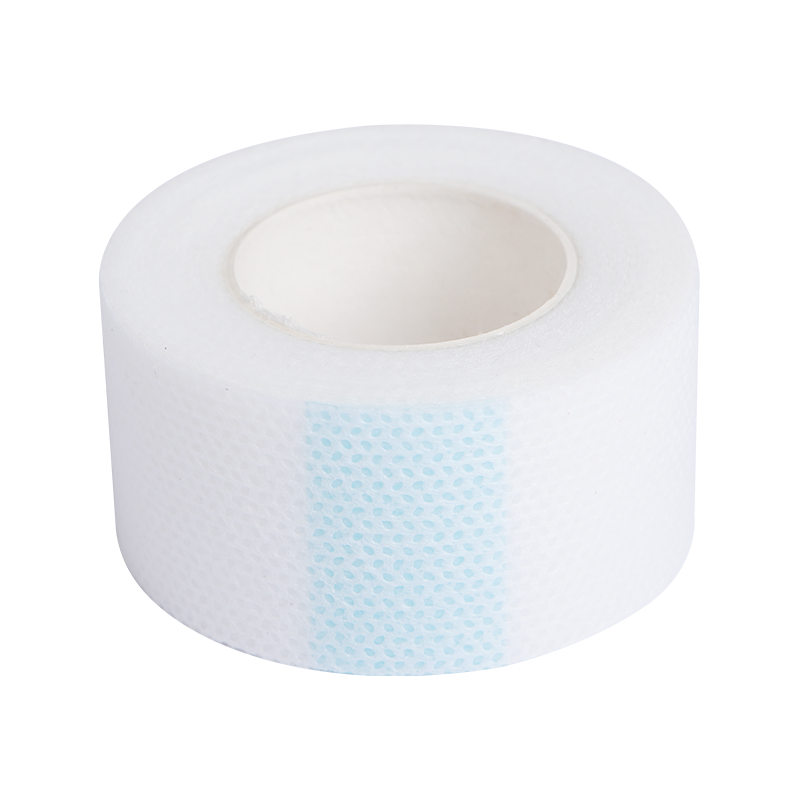
Related products such as silicone medical tapes follow the same design philosophy and are often used alongside these pads.
Beauty, Daily Wear, and Sport
Away from the clinic, silicone gel pads appear as facial patches for fine lines, double-sided fixing patches, waterproof ear covers, nipple protectors, and kinesiology-style tapes. The requirements shift slightly: thinner profiles, more discreet edges, and shapes that follow facial contours or athletic movement. The underlying gel technology is the same, only the geometry changes.
 Silicone Beauty Facial Stickers Set for Overnight Expression ZonesFive-piece reusable facial patch set covers forehead, smile lines, and crow's feet for overnight hydration and predictable, discreet expression-line care.View Product →
For skincare users, the appeal is predictability. The patch stays where it is placed, does not tug when removed, and can be rinsed and reused several times before it is retired.
How to Choose the Right Silicone Gel Pad
There is no single best pad, only the best match for a specific skin area and purpose. Working through these points in order usually narrows the field quickly.
- Start with skin condition. Dry, intact skin tolerates almost any silicone gel pad. Fragile, aged, or post-radiation skin benefits from the thinnest, softest option available.
- Check the exudate level. Dry or lightly moist wounds suit flat gel sheets. Anything producing more fluid needs a foam core or an absorbent island behind the gel border.
- Think about movement. Joints, necks, and fingers need elastic or stretch fabric backings. Flat, stable areas can use transparent film.
- Decide how long it must stay. A dressing changed daily can be thinner and more conformable. A fixation pad worn for a week needs stronger backing and cleaner edges.
- Consider who applies it. Home users tend to prefer clear instructions, easy peel liners, and shapes that are forgiving to place. Clinical staff often want standardized sizes and predictable performance batch to batch.
- Confirm the documentation. For healthcare and distribution buyers, ISO, CE, and FDA compliance paperwork is part of the product, not an afterthought.
Using, Reusing, and Storing Your Pads
Silicone gel pads are forgiving, but a little care extends their life considerably.
- Clean and dry the skin first. Lotions, oils, and powders all reduce adhesion.
- Press the pad gently in place for a few seconds. Pressure is what activates full contact, not rubbing.
- Remove slowly, supporting the skin with one hand as you peel with the other.
- Reusable sheets can be rinsed with mild soap, air dried completely, and stored back on their liner.
- Replace any pad that has lost tack, curled at the edges, or become soiled or discolored.
Stop using a pad and speak to a clinician if you notice increasing redness, swelling, pain, or unusual discharge. A dressing supports healing; it is not a substitute for medical assessment.
What We Have Learned on the Manufacturing Side
Skin-contact products live or die on consistency. A pad that performs beautifully in one batch and poorly in the next creates real problems for both a patient and a purchasing manager. That is why our production runs inside a 5,000 square meter, Class 100,000 GMP cleanroom in Shanghai, with in-house formulation and testing rather than outsourced blending.
Our research team comes from polymer materials and pharmaceutical backgrounds, and a good part of their work is unglamorous: adjusting gel cross-link density, testing peel force at different angles, and running skin compatibility studies so that a pad feels the same on day one and day five. We also build products to order, so if a shape, backing, or adhesive profile does not exist yet for your application, that conversation is usually where the interesting work starts.
Frequently Asked Questions
Are silicone gel pads the same as silicone gel sheets?
Largely, yes. "Pad" tends to describe thicker or shaped constructions with foam or absorbent layers, while "sheet" usually refers to thin, flat film-backed products. Both rely on the same silicone gel adhesive.
Can silicone gel pads be reused?
Reusable scar sheets and beauty patches can typically be rinsed and reapplied several times. Single-use dressings and fixation pads should be replaced according to your clinician's or the manufacturer's instructions.
Do they work on hairy skin?
They work best on skin with limited hair, since the gel holds through direct contact. Clipping or trimming the area, rather than shaving, usually gives a better and more comfortable result.
Silicone gel pads are a small piece of engineering with an outsized effect on comfort. Whether you are managing a scar, securing a line, protecting a wound, or simply looking after your skin, the right pad is the one that stays where it belongs and comes off without a fight. If you are unsure which construction fits your case, we are always glad to talk it through.