English
 عربى
عربى
Content
- 1 Defining Silicone Medical Tape and How It Differs from Standard Adhesives
- 2 Core Clinical Uses Across Healthcare Settings
- 3 Key Properties That Set Silicone Tape Apart
- 4 Why Skin Sensitivity Makes Silicone Tape a Practical Choice
- 5 Comparing Silicone Tape to Acrylic and Rubber-Based Alternatives
- 6 Factors to Consider When Selecting a Silicone Medical Tape
- 7 Best Practices for Application and Removal
Defining Silicone Medical Tape and How It Differs from Standard Adhesives
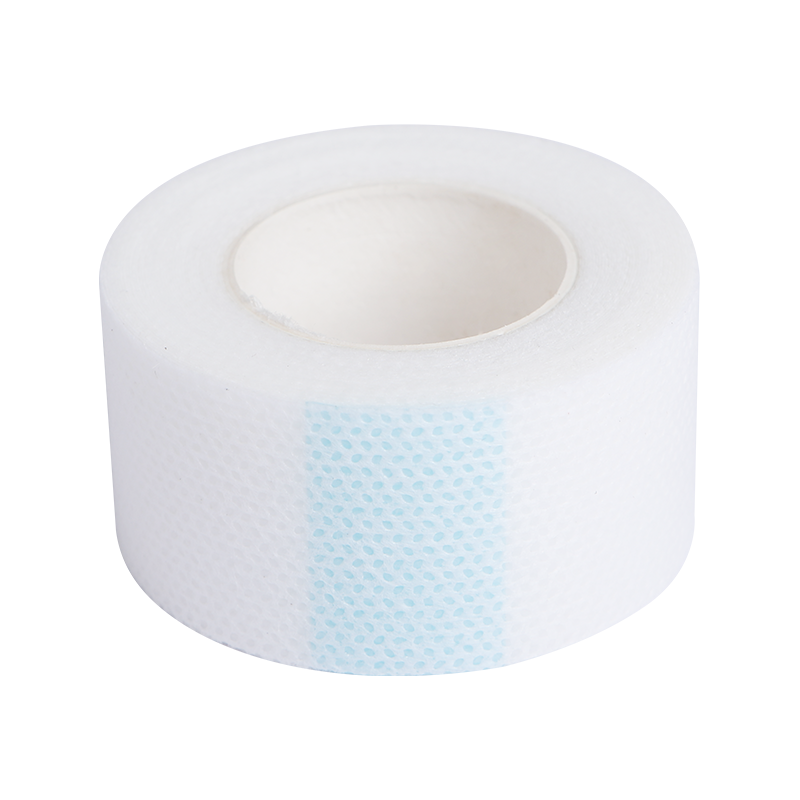
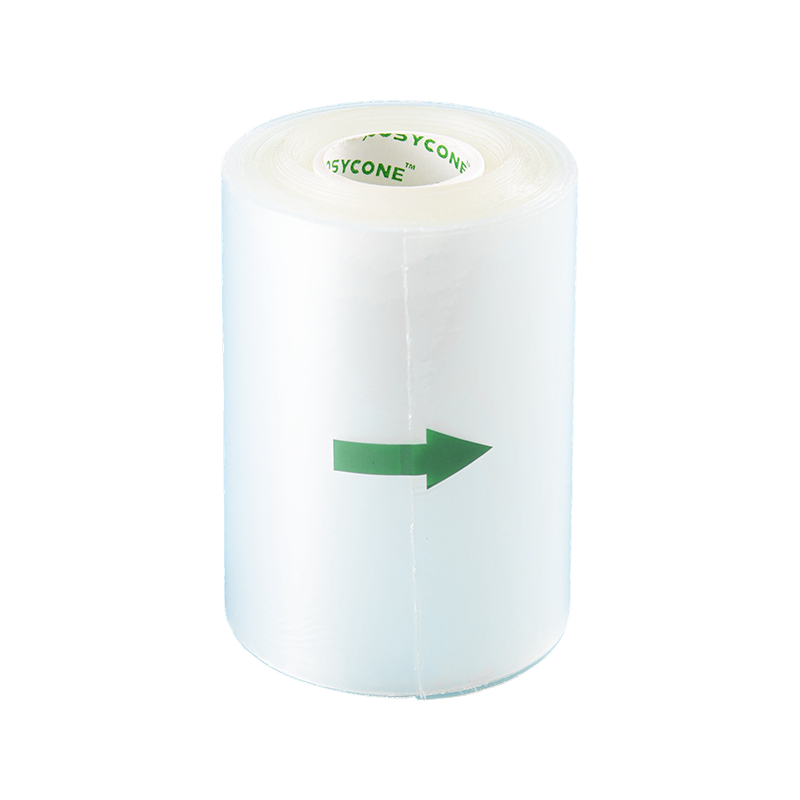
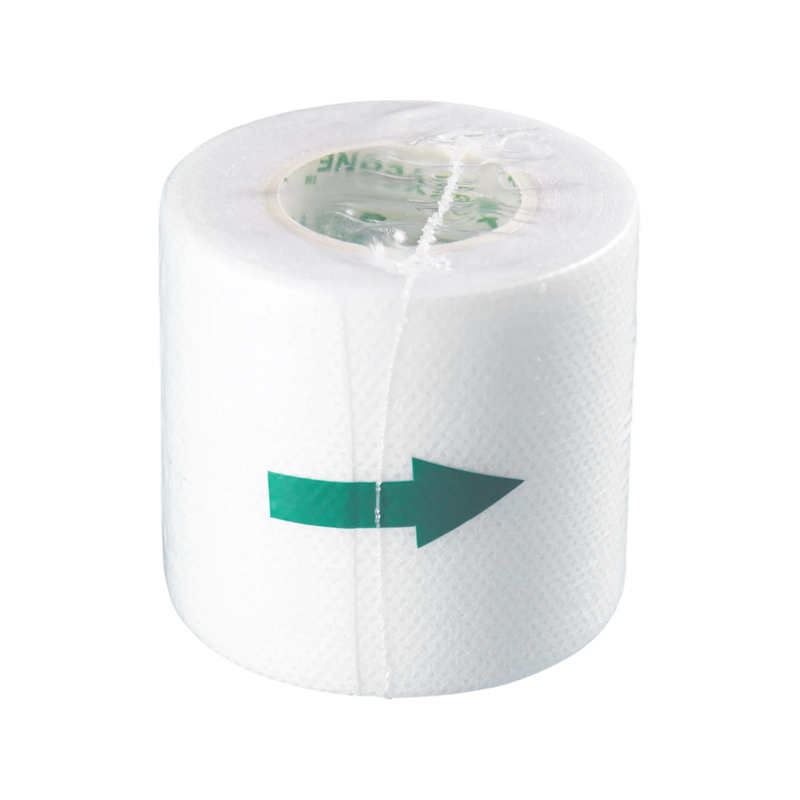
Silicone medical tape is a wound care and skin fixation product built from a backing material, most commonly a breathable polyurethane or polyethylene film or a soft nonwoven fabric, coated with a soft silicone gel adhesive rather than the acrylic or rubber-based adhesives found on conventional medical tapes. This silicone coating is what defines the product's core behavior: it bonds securely enough to keep dressings, tubes, or devices in place, yet it can be removed and often reapplied without pulling on the skin's surface layers. This is a meaningful distinction for patients with fragile, aging, or compromised skin, where a standard adhesive tape can cause tearing, blistering, or significant discomfort upon removal.
The technology behind silicone adhesives relies on a molecular structure that creates a gentle, low-trauma bond through light tackiness rather than aggressive mechanical grip. Silicone molecules form weak, reversible bonds with the skin surface, which is why these tapes can be lifted and repositioned multiple times during a single application without significantly losing their holding power, a feature that standard adhesives generally cannot replicate.
Core Clinical Uses Across Healthcare Settings
Silicone medical tape has found its way into a wide range of clinical applications, largely because its gentleness does not come at the cost of reliable adhesion. Hospitals, wound care clinics, and home health settings all rely on this product category for different but related reasons.
Securing Wound Dressings and Bandages
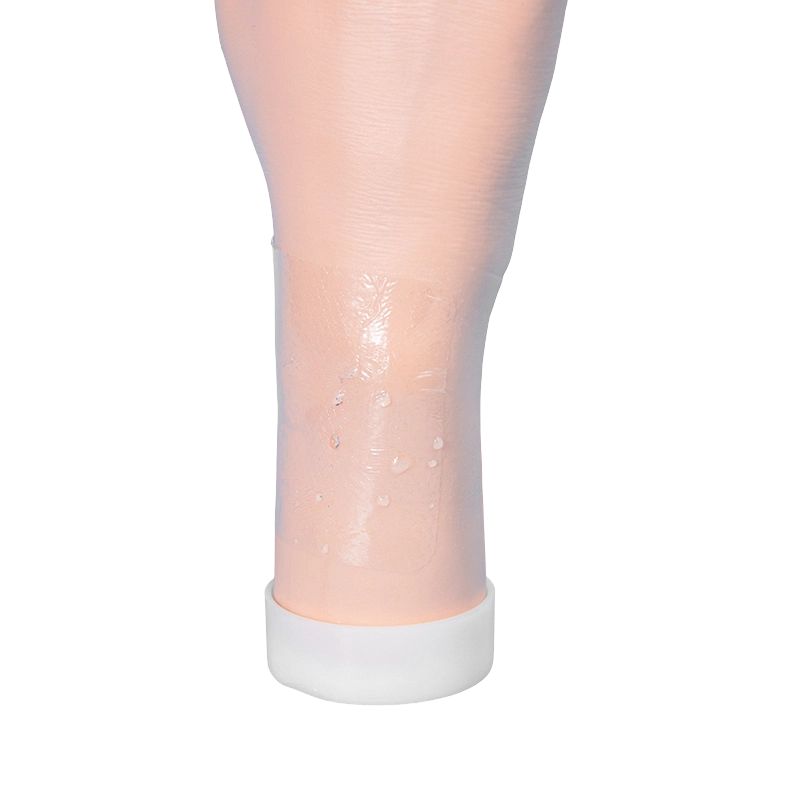
One of the most common uses of silicone medical tape is holding primary wound dressings in place over cuts, surgical incisions, ulcers, and burns. Because the tape can be removed without disturbing newly formed tissue, it reduces the risk of reopening a healing wound during routine dressing changes, which is a significant advantage in chronic wound management where dressings may need to be changed frequently over weeks or months.
Fixation of Medical Devices and Tubing
Silicone tape is frequently used to secure intravenous lines, feeding tubes, catheters, and monitoring leads to the skin. Since these devices often remain in place for extended periods, the reduced skin trauma associated with silicone adhesive becomes especially important, as repeated tape changes with a harsher adhesive could otherwise lead to significant skin breakdown around the device site.
Scar Management and Post-Surgical Care
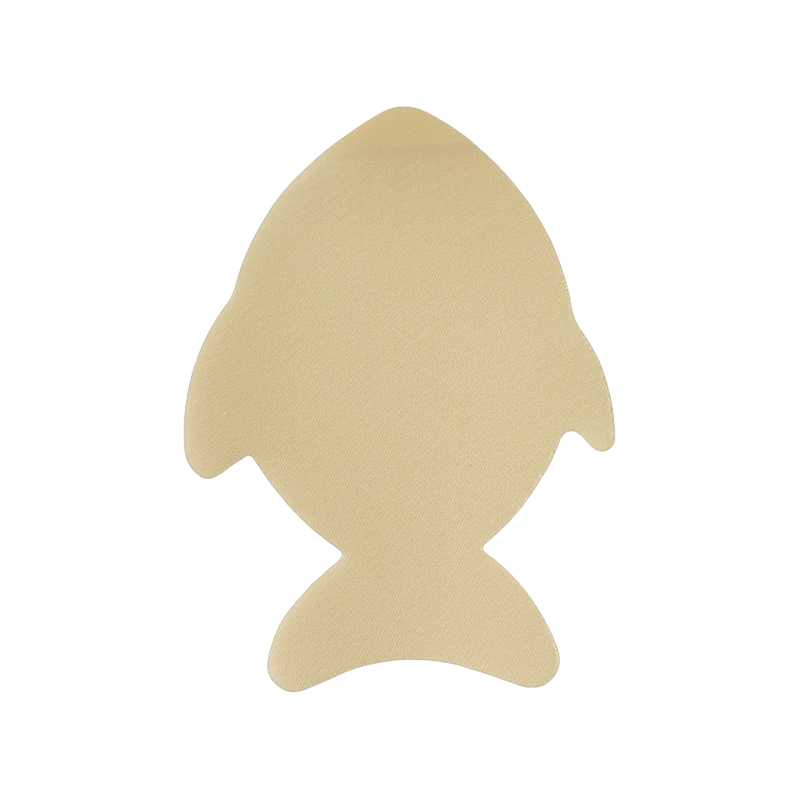
Certain silicone tapes are formulated specifically for scar management, applied over healed surgical incisions to help flatten and soften developing scar tissue. The silicone layer creates a controlled hydration environment at the skin surface, which is widely used in post-surgical protocols to improve the cosmetic appearance of scars over time.
Pediatric and Neonatal Applications
Infant and pediatric skin is thinner and more sensitive than adult skin, making it particularly vulnerable to adhesive-related injury. Silicone tapes are widely used in neonatal intensive care units to secure monitoring equipment and IV lines while minimizing the risk of skin tears in this especially delicate patient population.
Key Properties That Set Silicone Tape Apart
Several specific properties explain why silicone medical tape has become a preferred choice in situations where skin integrity is a primary concern. Understanding these characteristics helps clinicians and caregivers select the right product for a given clinical scenario.
| Property | Clinical Benefit |
| Gentle, Repositionable Adhesion | Allows tape to be lifted and realigned without losing holding strength |
| Atraumatic Removal | Reduces skin stripping, tearing, and pain during dressing changes |
| Breathability | Allows moisture vapor to pass through, reducing maceration risk |
| Hypoallergenic Formulation | Lowers the risk of allergic contact dermatitis in sensitive patients |
| Conformability | Flexes with body movement over joints and curved surfaces |
Why Skin Sensitivity Makes Silicone Tape a Practical Choice
Repeated tape application and removal, a routine part of long-term wound care, can gradually damage the outermost layer of skin known as the stratum corneum. This condition, often referred to as medical adhesive-related skin injury, is a recognized clinical concern in patients who require frequent dressing changes over extended periods. Silicone tape addresses this issue directly by minimizing the mechanical stress placed on the skin during removal, since the adhesive releases from the skin surface rather than pulling skin cells away with it.
This property is particularly valuable for patient populations already at elevated risk of skin injury, including elderly patients with thin, fragile skin, patients on long-term corticosteroid therapy, and individuals with conditions such as epidermolysis bullosa where even minor skin trauma can have serious consequences.
Comparing Silicone Tape to Acrylic and Rubber-Based Alternatives
While acrylic and rubber-based adhesives remain widely used in general medical settings due to their lower cost and strong initial bond strength, they generally cannot match silicone tape's combination of gentleness and repositionability. Acrylic adhesives tend to build adhesion over time, becoming increasingly difficult to remove the longer they remain on the skin, which can be problematic for dressings that need to stay in place for several days. Rubber-based adhesives, while offering strong initial tack, are more commonly associated with allergic reactions due to the presence of natural rubber latex or related compounds in some formulations.
- Silicone tape maintains consistent, gentle adhesion over multiple days without excessive bond buildup
- Acrylic tape offers strong short-term hold but can become difficult to remove cleanly over time
- Rubber-based tape provides strong initial tack but carries higher allergy risk for sensitive patients
Factors to Consider When Selecting a Silicone Medical Tape
Not all silicone tapes are formulated identically, and selecting the right product depends on the specific clinical need. Buyers and clinicians should evaluate several factors before choosing a particular product for a given application.
- Backing material flexibility for use over joints or curved body areas
- Adhesive tack level, since some applications require stronger initial hold than others
- Breathability rating, particularly important for use in warm or humid climates
- Sterility requirements for use in surgical or highly controlled clinical settings
- Width and roll length appropriate for the intended dressing or device size
Facilities that manage a high volume of long-term wound care patients often stock multiple silicone tape variants to match different tack levels and backing materials to the specific needs of each patient rather than relying on a single universal product.
Best Practices for Application and Removal
Proper technique still matters even with a gentler adhesive product. Skin should be clean and completely dry before application to ensure the silicone adhesive makes proper contact with the surface. When applying over a joint or area subject to frequent movement, tape should be applied with slight tension relief built in, allowing the material to flex naturally rather than pulling taut against the skin. During removal, lifting one edge and peeling slowly and parallel to the skin surface, rather than pulling upward at a steep angle, further reduces the already low risk of skin trauma associated with silicone adhesive products.
As wound care and skin protection protocols continue to prioritize patient comfort alongside clinical effectiveness, silicone medical tape has become a standard component of dressing and device fixation strategies across hospitals, outpatient clinics, and home care settings, offering a dependable balance between secure adhesion and gentle, low-trauma removal.