English
 عربى
عربى
Content
- 1 What a TCM Silicone Acupoint Patch Is Designed to Do
- 2 Why Silicone Adhesive Technology Fits Acupoint Applications
- 3 Structural Features That Support Comfortable, Extended Wear
- 4 Common Body Areas Where Acupoint Patches Are Applied
- 5 Hygiene and Consistency Advantages Over Traditional Fixation Methods
- 6 Selecting the Right Patch Format for a Given Routine
- 7 How Modern Manufacturing Supports Traditional Practice
What a TCM Silicone Acupoint Patch Is Designed to Do
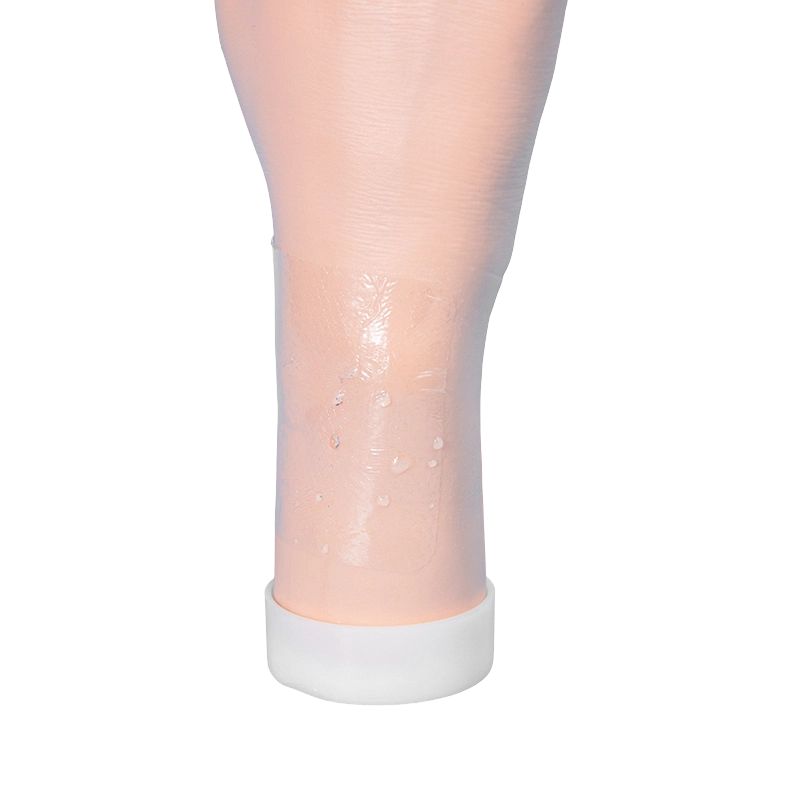
A TCM silicone acupoint patch is a fixation product built to hold herbal materials, seeds, or other functional elements against specific areas of the body during traditional application practices. Rather than relying on older methods such as plain adhesive tape or cloth wraps, which can be inconsistent in how well they stay in place or how comfortable they are to wear, this category of patch uses a soft silicone adhesive layer paired with a flexible, breathable backing. The result is a product engineered specifically for the practical demands of acupoint-based routines, where an object needs to remain positioned precisely over a small area of skin, sometimes for many hours at a time.
The core function of the patch is mechanical and structural rather than active in itself: it holds a chosen material in place, keeps it protected from friction and displacement, and does so in a way that is gentle on the skin underneath. This distinction matters because the patch's role is to support the traditional practice being performed, not to replace the herbal or seed element that the practitioner or user has selected for their routine.
Why Silicone Adhesive Technology Fits Acupoint Applications
Acupoint-based routines often involve small, precisely located areas of the body, sometimes on the ear, wrist, or areas with thinner or more sensitive skin. This makes the choice of adhesive technology particularly important, since a patch that is too aggressive can cause irritation over repeated use, while a patch that is too weak may shift out of position before the intended wear time is complete.
Balanced Tack for Small Contact Areas
Silicone adhesives are formulated to provide a level of tack that holds securely on small, curved, or textured skin surfaces without requiring the aggressive bonding strength typical of standard adhesive tapes. This balance is particularly useful for acupoint patches, which often need to stay fixed over joints, behind the ear, or on other areas where movement and skin curvature would challenge a conventional adhesive.
Repositionable Placement for Precise Point Location
Because acupoint location often requires careful positioning, a repositionable adhesive allows the user or practitioner to lift and adjust the patch before final placement without the adhesive losing its holding capability. This is a meaningful practical advantage over rigid adhesive tapes, which typically lose much of their bonding strength once removed and reapplied even once.
Structural Features That Support Comfortable, Extended Wear
Beyond the adhesive itself, the overall construction of the patch plays a major role in how comfortably it can be worn across different durations and body areas.
| Structural Feature | Practical Benefit |
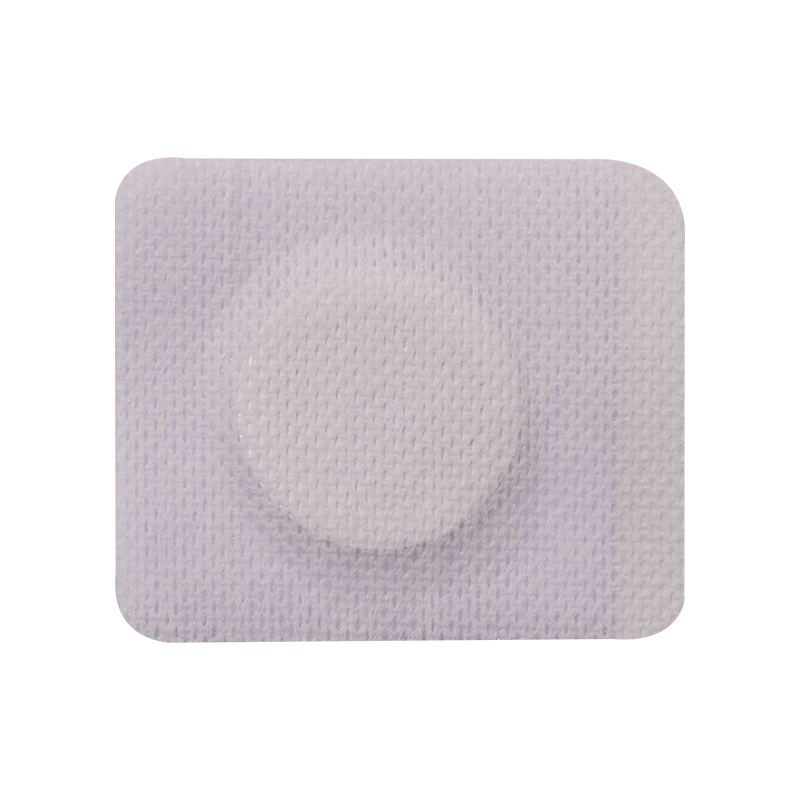
| Breathable Backing Material | Allows air and moisture vapor exchange during longer wear periods |
| Flexible Film or Fabric Base | Conforms to curved or moving areas such as joints and behind the ear |
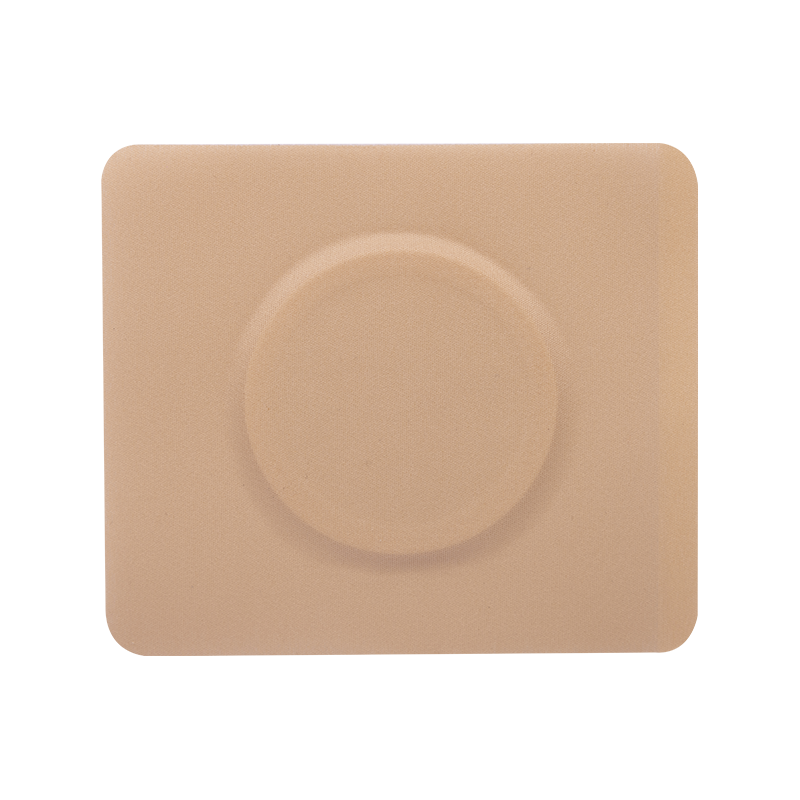
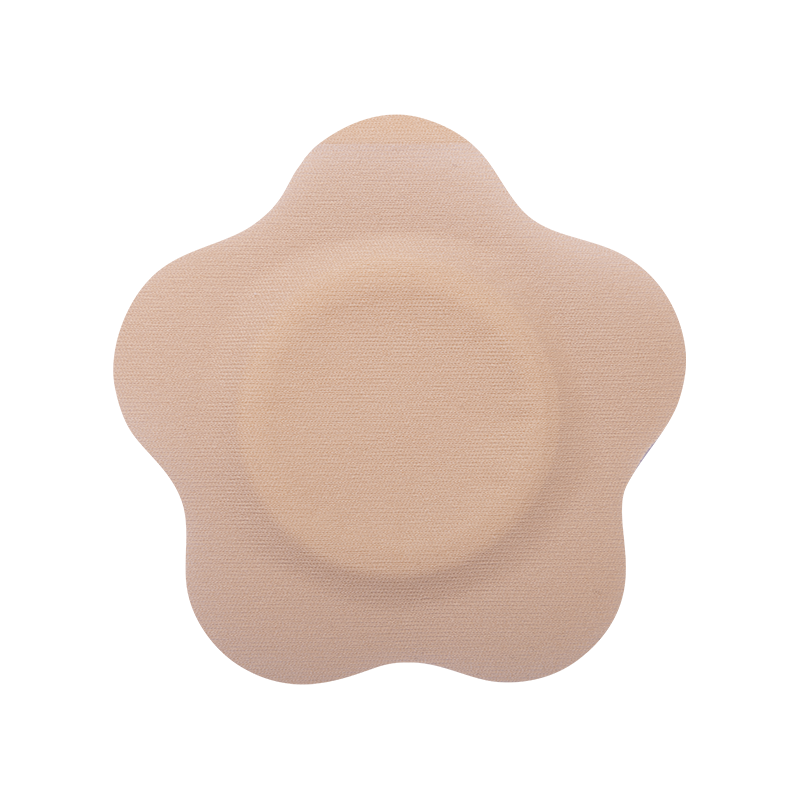
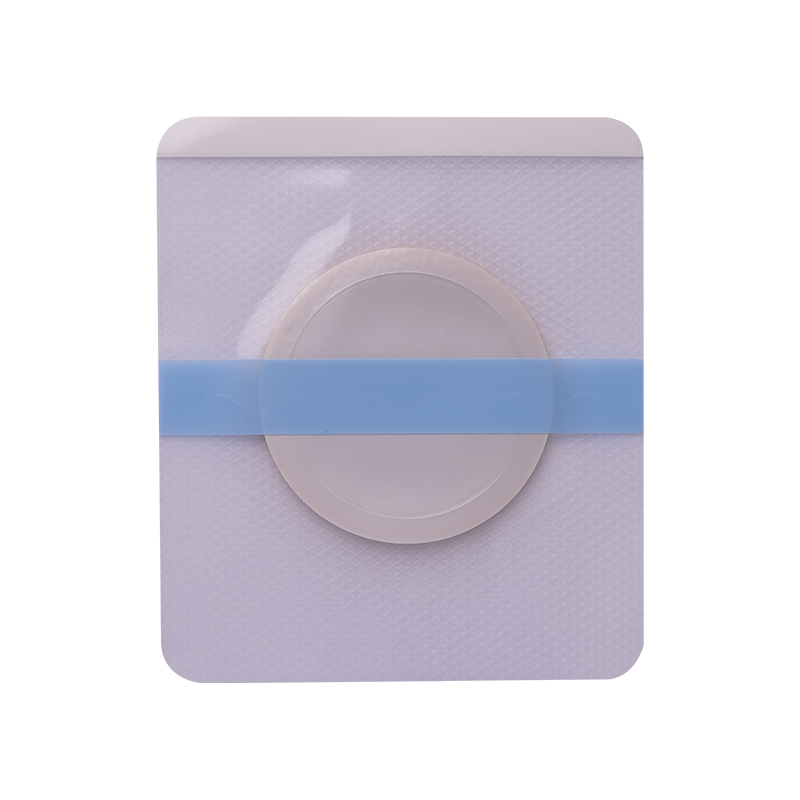
| Central Recess or Pocket Design | Holds herbal material, seeds, or functional elements securely centered |
| Low-Profile Thickness | Reduces visibility and snagging on clothing or hair |
These structural elements work together so that the patch remains functional and comfortable whether it is being worn for a few hours during the day or left in place overnight, which is a common requirement in many traditional application routines.
Common Body Areas Where Acupoint Patches Are Applied
Traditional acupoint practices involve a range of body locations, each presenting different fixation challenges that the patch design needs to accommodate.
- Ear area, where small patch size and secure but gentle adhesion are essential
- Wrist and forearm, where flexibility must accommodate frequent joint movement
- Abdomen and lower back, where larger surface contact supports longer wear stability
- Foot and lower leg, where durability against friction from footwear is important
Because these areas differ significantly in skin texture, movement, and exposure to friction, a well-designed patch series typically offers multiple sizes and adhesive strengths rather than a single universal format.
Hygiene and Consistency Advantages Over Traditional Fixation Methods
Older fixation methods for acupoint materials, such as cloth strips, plasters, or improvised adhesive tape, can introduce inconsistency in how securely the material is held and how clean the application process remains. A purpose-built silicone patch addresses both of these concerns directly. Individually packaged, pre-formed patches reduce the handling required to prepare each application, which helps maintain a more hygienic process compared to methods that require manual cutting or wrapping. The consistent adhesive strength across each patch in a manufactured series also means that users and practitioners can expect similar wear performance from one application to the next, rather than relying on the variable quality of improvised materials.
Selecting the Right Patch Format for a Given Routine
Choosing an appropriate acupoint patch involves matching the product's format to the specific requirements of the application being performed. Several factors typically guide this selection process.
Patch Size and Pocket Depth
The size of the central recess or pocket needs to match the dimensions of the herbal material, seed, or functional element being used. A pocket that is too shallow may allow the material to shift or fall out, while one that is too large may not hold smaller materials securely in the intended position.
Adhesive Strength for Intended Wear Duration
Shorter daytime applications may work well with a lighter tack adhesive, while overnight or multi-day wear typically calls for a stronger, though still gentle, adhesive formulation to prevent premature loosening. Manufacturers producing a full product series often provide different adhesive strength options within the same line to accommodate this range of use cases.
Backing Material Breathability
For longer wear periods or use in warmer climates, a more breathable backing material helps maintain comfort and reduces the likelihood of moisture buildup underneath the patch, which can otherwise affect both comfort and adhesive performance over time.
How Modern Manufacturing Supports Traditional Practice
The development of silicone acupoint patches reflects a broader trend of applying modern materials science to support long-established traditional techniques rather than replacing them. By focusing on the fixation and comfort aspects of the application process, manufacturers can improve the consistency and ease of use of traditional routines without altering the herbal materials, seeds, or techniques that practitioners and users choose to incorporate. This approach allows the practical benefits of advanced adhesive technology, such as gentle skin contact, secure positioning, and hygienic individual packaging, to complement rather than compete with the traditional practices themselves.
As interest in traditional application methods continues alongside growing expectations for product consistency and hygiene, silicone acupoint patches represent a practical bridge between established practice and modern manufacturing standards, offering a dependable fixation solution that adapts to a wide range of body areas and wear durations.