English
 عربى
عربى
Content
- 1 What Silicone Medical Tape Actually Is
- 2 Core Material Properties That Define Its Performance
- 3 How Silicone Tape Compares With Other Medical Adhesives
- 4 Primary Clinical and Home-Care Applications
- 5 Matching Tape Format to the Task
- 6 Quality Indicators to Check Before Purchasing
- 7 Application and Removal Practices That Protect Skin Outcomes
What Silicone Medical Tape Actually Is
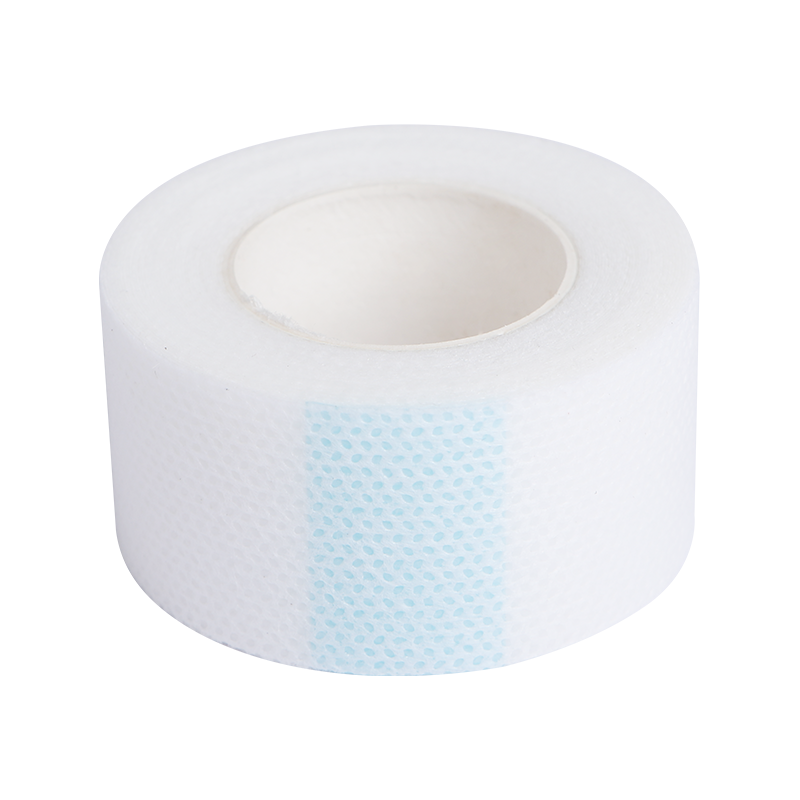
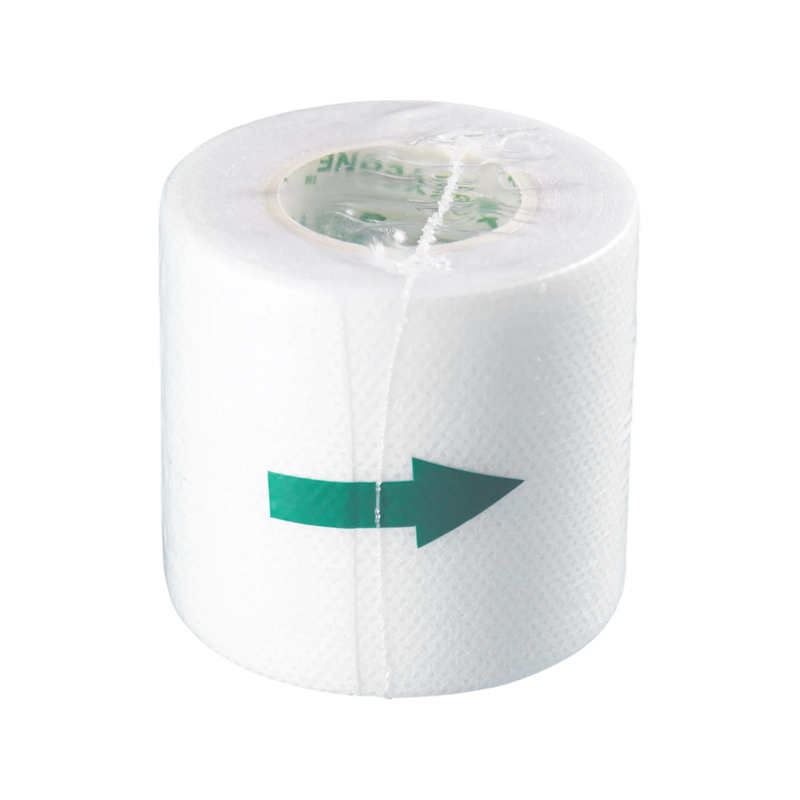
Silicone medical tape is a wound-care and fixation adhesive built from a soft, cross-linked silicone gel coated onto a breathable backing, usually a polyurethane or nonwoven film. Unlike acrylic or rubber-based adhesives, the silicone layer bonds through low-level tack and micro-contact with the skin's surface rather than aggressive chemical adhesion. This means it grips securely to hold dressings, tubing, or sensors in place, yet it releases cleanly when peeled, without pulling on hair or the outermost skin layer.
The tape is typically constructed in three layers: a thin, flexible film or foam backing that gives the product its strength and conformability, a silicone gel adhesive layer that contacts the skin, and a release liner that protects the adhesive before use. Because the silicone layer is soft and slightly repositionable, clinicians can lift and reapply the tape during a procedure without losing most of its holding power, something acrylic tapes cannot do without damaging the adhesive.
The backing material also plays a role that is often overlooked. Polyurethane film backings are thin and transparent, which lets clinicians visually monitor the skin or insertion site without lifting the tape, while nonwoven fabric backings offer more tear resistance and are easier to handle with gloved hands during fast-paced procedures. Manufacturers select backing thickness and elasticity based on the intended body location, since tape used over a joint needs more stretch than tape used to secure a flat sensor on the chest.
Core Material Properties That Define Its Performance
Several measurable properties separate silicone medical tape from general-purpose adhesive tape, and understanding them helps explain why it is chosen for sensitive-skin and long-wear applications.
- Gentle, low-trauma adhesion: bond strength is engineered to be strong enough for fixation but low enough to avoid epidermal stripping on removal.
- Breathability: most backings are microporous, allowing moisture vapor to pass through so skin underneath stays drier during multi-day wear.
- Repositionability: the gel adhesive can be lifted and reapplied several times without a significant drop in tack.
- Hypoallergenic profile: silicone is chemically inert and free of common sensitizers found in latex or acrylic formulations.
- Conformability: thin, elastic backings flex with joints and curved body areas, reducing lifting at the edges.
- Moisture resistance: many variants maintain adhesion even when exposed to perspiration or light wound exudate.
These properties are why silicone tape is frequently rated for extended wear, in some product lines up to seven days, compared with one to three days for standard acrylic tape before skin irritation risk increases.
The gel adhesive's behavior is also temperature-sensitive in a useful way. Body heat softens the silicone slightly, which increases contact area with the skin's microscopic surface irregularities over the first few minutes of wear and improves hold without requiring extra pressure. This is different from pressure-sensitive acrylic adhesives, which rely almost entirely on firm initial application force to achieve full tack, making silicone tape more forgiving for staff who are not able to apply strong, even pressure during application, such as when working around a wound edge or a mobile pediatric patient.
How Silicone Tape Compares With Other Medical Adhesives
Choosing an adhesive tape usually comes down to balancing hold strength against skin tolerance. The table below outlines how silicone tape stacks up against the two other adhesive families most commonly used in clinical settings.
| Adhesive Type | Skin Trauma Risk | Typical Wear Time | Repositionable |
| Silicone Gel | Low | 3–7 days | Yes |
| Acrylic | Moderate | 1–3 days | No |
| Zinc Oxide | High | Under 1 day | No |
This comparison is why silicone tape has become the default choice for neonatal care, elderly patients, and anyone with fragile or compromised skin, even though acrylic tape can offer marginally higher initial tack for heavy fixation tasks like securing rigid tubing.
Cost is another practical factor buyers weigh against these performance differences. Silicone tape generally carries a higher per-roll price than acrylic or zinc oxide alternatives, but facilities frequently find the total cost of care is lower once fewer dressing changes, reduced skin-tear incidents, and less nursing time spent managing adhesive-related complications are factored in. For departments handling long-stay or high-acuity patients, this total-cost view is usually what tips the decision toward silicone rather than the sticker price of the tape itself.
Primary Clinical and Home-Care Applications
Silicone medical tape is used wherever adhesion needs to last for days without compromising skin integrity. Its application range spans acute hospital care, chronic wound management, and everyday home use.
Device and Line Securement
IV catheters, feeding tubes, endotracheal tubes, and continuous glucose monitors all rely on tape to stay in place for extended periods. Silicone tape reduces the risk of accidental dislodgement caused by frequent repositioning, since clinicians can adjust the tape without needing a fresh piece each time.
Wound Dressing Retention
In post-surgical and chronic wound care, silicone tape holds primary dressings in place while allowing the dressing to be lifted for inspection and reapplied, which limits unnecessary trauma to healing tissue and reduces the frequency of full dressing changes.
Scar Management and Skin-Sensitive Populations
Because silicone itself is associated with softer, flatter scar formation, silicone tape is also used over healed incisions as part of scar management protocols. It is a common choice for neonatal and pediatric patients, as well as older adults with thin, fragile skin, where repeated tape removal with stronger adhesives can cause skin tears.
Ostomy and Compression Garment Support
Beyond wound and device care, silicone tape is used to reinforce the edges of ostomy pouching systems and to hold compression wraps or splints in position without cutting off circulation. Its consistent, moderate hold means the tape stays in place through daily activity without needing frequent readjustment, which matters for patients managing these products themselves at home rather than under direct clinical supervision.
Matching Tape Format to the Task
Silicone tape is manufactured in several formats, and selecting the right one affects both performance and cost efficiency.
- Thin film tape: best for securing small devices and sensors where a low profile prevents snagging on clothing or bedding.
- Foam-backed tape: adds cushioning and is suited to areas with more movement or pressure, such as joints.
- Perforated or slit tape: allows customization in width for wrapping tubing or irregular shapes without cutting tools.
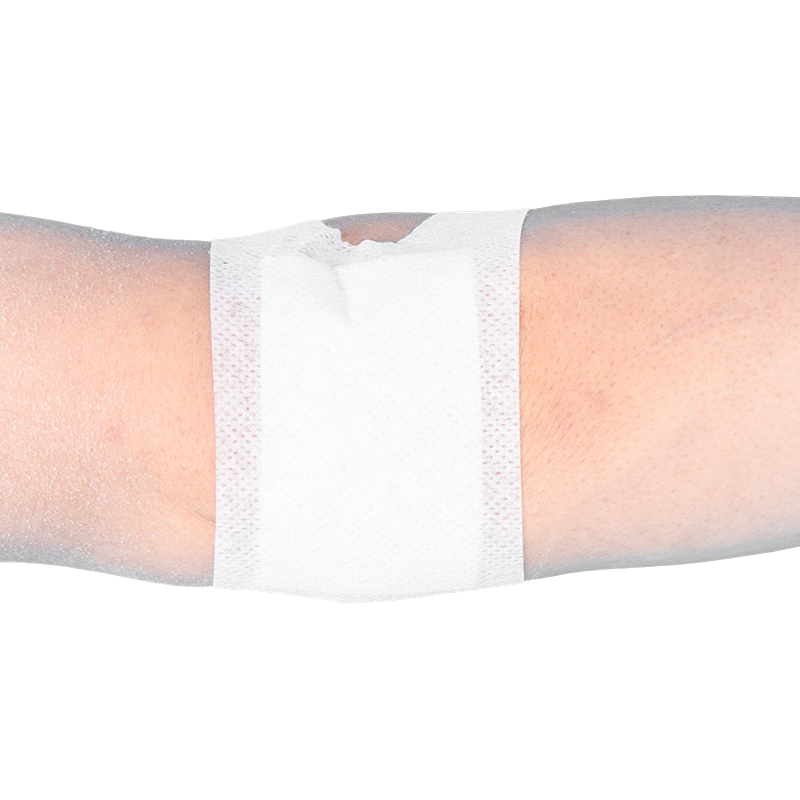
- Bordered dressing tape: combines an absorbent pad with a silicone adhesive border for straightforward one-piece wound coverage.
Facilities managing high patient turnover often standardize on two or three formats rather than stocking every variant, using thin film for general fixation and a bordered option for wound dressing, which simplifies training and reduces waste.
Quality Indicators to Check Before Purchasing
Not all products labeled as silicone medical tape perform the same way, since gel formulation, backing quality, and manufacturing consistency vary widely between suppliers. Buyers evaluating a new tape should look past the label and check a few specific indicators before committing to a bulk order.
- Biocompatibility testing documentation confirming the adhesive and backing meet recognized skin-contact safety standards.
- Consistent adhesion across a full roll, since uneven gel coating can cause some sections of tape to lift prematurely.
- Stable performance after storage, since some lower-quality silicone gels lose tack if stored for extended periods before use.
- Clean, residue-free removal after multi-day wear, ideally verified through the supplier's own wear-time testing data.
Requesting sample rolls for a short in-house trial before switching suppliers is a practical way to confirm these indicators hold up under actual use conditions, rather than relying solely on a technical data sheet.
Application and Removal Practices That Protect Skin Outcomes
Even a well-designed silicone tape can underperform if it is applied or removed incorrectly. A few practical steps make a measurable difference in wear time and skin condition.
- Clean and fully dry the skin before application, since residual moisture or oils reduce initial tack.
- Press the tape down with light, even pressure rather than stretching it, since tension at application can cause blistering as the skin moves underneath.
- When removing, peel back slowly at a low angle, close to the skin, rather than pulling straight up.
- Support the skin with a fingertip near the peel edge to counteract tension during removal.
Following these steps consistently is what allows silicone tape to reach its full rated wear time, and it is a primary reason hospitals now include tape-specific application training in their skin-integrity programs rather than treating all adhesive tape as interchangeable.
Storage conditions matter as well, since exposing rolls to excess heat, humidity, or direct sunlight before use can degrade the gel adhesive and shorten its effective wear time once applied. Keeping tape in its original packaging in a cool, dry storage area until it is needed helps preserve the manufacturer's rated performance and avoids the frustration of tape that fails to hold as expected despite being within its printed shelf life.