English
 عربى
عربى
Content
- 1 The Performance Ceiling of Acrylic Adhesive Kinesiology Tape
- 2 How Silicone Adhesive Technology Addresses These Core Problems
- 3 Understanding the Two Silicone Kinesiology Tape Architectures
- 4 Comparing Full-Coat and Wave-Pattern Applications
- 5 Why a Two-Product Architecture Benefits Distributors and Brands
- 6 Practical Considerations for Athletic and Clinical Use
- 7 The Broader Shift Toward Silicone in Sports Taping
The Performance Ceiling of Acrylic Adhesive Kinesiology Tape
Kinesiology taping has moved well beyond its origins as a niche rehabilitation technique and is now a standard tool used by athletic trainers, physical therapists, and athletes across nearly every competitive sport. Despite this widespread adoption, the vast majority of kinesiology tape on the market still relies on acrylic adhesive technology, a formulation that was never specifically engineered for the demands of repeated application against skin during high-perspiration, high-mobility activity. Acrylic adhesives tend to build bond strength the longer they remain in contact with skin, which creates a predictable but frustrating pattern: the tape becomes progressively harder to remove the longer it is worn, often resulting in painful removal and visible adhesive residue left behind on the skin.
This adhesive limitation becomes especially apparent in athletes who tape frequently, sometimes daily during a competitive season. Repeated cycles of application and forceful removal can lead to cumulative skin irritation, redness, and in some cases minor abrasions, particularly in areas where the tape crosses joints or is applied over sensitive skin. For clinicians managing patients with fragile or reactive skin, this same problem limits how often kinesiology taping can realistically be used as part of a treatment plan.
How Silicone Adhesive Technology Addresses These Core Problems
Medical-grade silicone adhesive behaves fundamentally differently from acrylic on the skin surface. Rather than building an increasingly aggressive bond over time, silicone forms a gentle, consistent connection that remains stable throughout the wear period without escalating in strength. This single property addresses several of the most common complaints associated with traditional kinesiology tape.
Reduced Skin Irritation Under Repeated Use
Because silicone adhesive does not aggressively grip the outermost layer of skin cells the way acrylic does, repeated application and removal cycles are significantly less likely to cause cumulative irritation. This makes silicone tape a more sustainable option for athletes who need to reapply tape frequently throughout a training block or competitive season.
Stable Adhesion Under Heavy Perspiration
Acrylic adhesives are prone to losing their bond when exposed to sustained moisture, which is a significant limitation given that kinesiology tape is most often applied specifically for activities that generate heavy sweating. Silicone adhesive maintains its holding performance in wet and humid conditions far more reliably, reducing the frustrating experience of tape edges lifting or peeling mid-activity.
Gentler, Cleaner Removal
Since the adhesive bond does not intensify over time, silicone kinesiology tape can typically be removed with less pulling force and less residue left on the skin. This is particularly valuable for athletes and patients who tape over the same area repeatedly, as it reduces the compounding skin stress that comes with daily removal of a stronger, more aggressive adhesive.
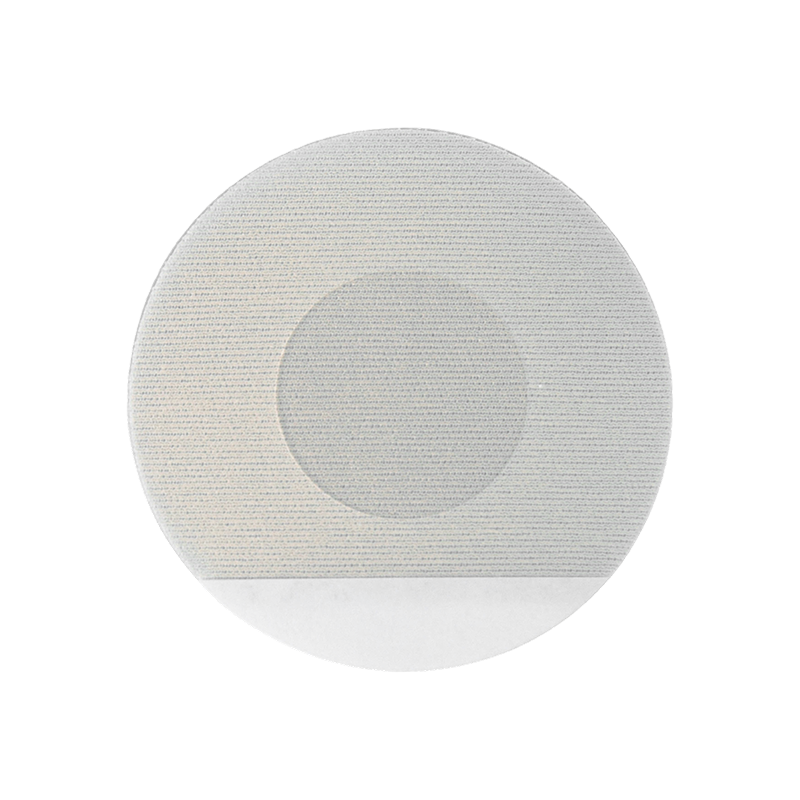
Understanding the Two Silicone Kinesiology Tape Architectures
Not every taping application has the same functional goal. Some applications are intended to provide firm structural support and limit joint movement, while others are designed to support a full, unrestricted range of motion while still offering proprioceptive feedback. Recognizing this distinction, silicone kinesiology tape is typically offered in two distinct adhesive architectures suited to these different purposes.
Full-Coat Adhesive for Structural Stabilization
A full-coat silicone adhesive layer covers the entire underside of the tape, maximizing surface contact with the skin and providing the highest level of structural support available in a kinesiology tape format. This architecture also creates a fully sealed, waterproof barrier across the tape's surface, making it well suited for applications where consistent joint stabilization is the primary goal, such as supporting a previously injured ankle or knee during return-to-play activity.
Wave-Pattern Adhesive for Dynamic Mobility Support
A wave-pattern adhesive application applies silicone adhesive in a discontinuous pattern across the tape's underside rather than as a full coating. This design allows the fabric to stretch more freely, since the adhesive itself does not constrain the elastic movement of the tape material. This architecture is better suited for applications focused on muscle activation, lymphatic support, or proprioceptive feedback, where full range of motion needs to be preserved rather than restricted.
Comparing Full-Coat and Wave-Pattern Applications
Selecting the correct tape architecture depends on the specific goal of the taping application, whether that is joint stabilization or dynamic movement support. The table below summarizes the practical differences between the two formats.
| Characteristic | Full-Coat (Type F) | Wave-Pattern (Type C) |
| Primary Purpose | Structural stabilization and support | Dynamic mobility and movement support |
| Fabric Stretch | More restricted due to full adhesive coverage | Maximized due to open adhesive pattern |
| Water Resistance | Fully waterproof sealed surface | Breathable with strong sweat resistance |
| Typical Use Case | Joint stabilization, injury support | Muscle activation, proprioceptive feedback |
Why a Two-Product Architecture Benefits Distributors and Brands
For distributors, sports brands, and rehabilitation suppliers, sourcing kinesiology tape typically means balancing the competing needs of different customer segments, from clinical rehabilitation providers who prioritize structural support to performance-focused athletes who need unrestricted mobility. A two-product silicone architecture addresses both needs from a single manufacturing source, simplifying supply chain management while still offering a genuinely differentiated product for each use case.
- One SKU dedicated to stabilization-focused applications with full waterproof coverage
- One SKU dedicated to mobility-focused applications with maximized stretch performance
- Consistent silicone adhesive quality across both formats from a single production source
- Simplified private label and distribution logistics compared to sourcing multiple adhesive technologies separately
This structure allows a single supplier relationship to cover a complete range of kinesiology taping needs, reducing the complexity that comes with managing multiple vendors for what is functionally a single product category with two application-specific variants.
Practical Considerations for Athletic and Clinical Use
Choosing between the two silicone tape formats in practice comes down to matching the adhesive architecture to the intended function of the taping application. Athletic trainers working with an athlete recovering from a lateral ankle sprain, for example, would typically favor the full-coat format for its structural support and waterproof reliability during high-sweat training sessions. A clinician working on lymphatic drainage support or general muscle activation, by contrast, would generally favor the wave-pattern format, since the priority in that application is preserving full range of motion rather than restricting it.
Application technique also plays a role in maximizing the performance of either format. Skin should be clean and free of oils or lotions before application, and tape should be applied at the appropriate stretch percentage for the intended technique, since over-stretching the tape during application can affect both comfort and the tape's functional support characteristics regardless of which adhesive architecture is used.
The Broader Shift Toward Silicone in Sports Taping
As athletes and clinicians become more aware of the cumulative skin impact associated with frequent acrylic tape use, demand for silicone-based alternatives continues to grow across both professional sports and everyday rehabilitation settings. The combination of gentler adhesion, stronger moisture resistance, and cleaner removal addresses the specific pain points that acrylic tape has never fully resolved, positioning silicone kinesiology tape as a practical upgrade rather than simply a premium alternative. For suppliers and brands evaluating their kinesiology tape offering, a dual-architecture silicone product line provides a way to meet the full spectrum of stabilization and mobility needs without compromising on the adhesive performance that ultimately determines how well a tape performs where it matters most: on the skin, through hours of movement and sweat.