English
 عربى
عربى
Raised, thickened scars are a common concern following surgery, burns, or injury, and many people look for practical, non-invasive ways to improve their appearance over time. Silicone scar sheets are among the most widely studied topical options for this purpose, offering a way to support the skin's natural remodeling process without medication or additional procedures. This article explains how silicone scar sheets work, what results to realistically expect, and how to apply them correctly for the best outcome.
Content
Understanding Why Scars Become Thick and Raised
During normal wound healing, the skin produces collagen to close and reinforce the injured area. In some cases, particularly with deeper wounds, burns, or surgical incisions under tension, the body produces collagen faster than it is broken down and remodeled, leading to a scar that sits above the surrounding skin surface. This excess collagen buildup is what gives hypertrophic and keloid scars their raised, often firm texture, and it is also associated with increased redness and, in some cases, itching or discomfort during the active healing phase.
Scar tissue also differs from surrounding skin in hydration. Healthy skin maintains moisture through its outer barrier layer, but scar tissue often loses water more readily, which some researchers believe contributes to abnormal collagen signaling and continued thickening. This hydration link is central to why silicone-based treatments have become a standard recommendation for scar management.
How Silicone Sheets Support Scar Remodeling
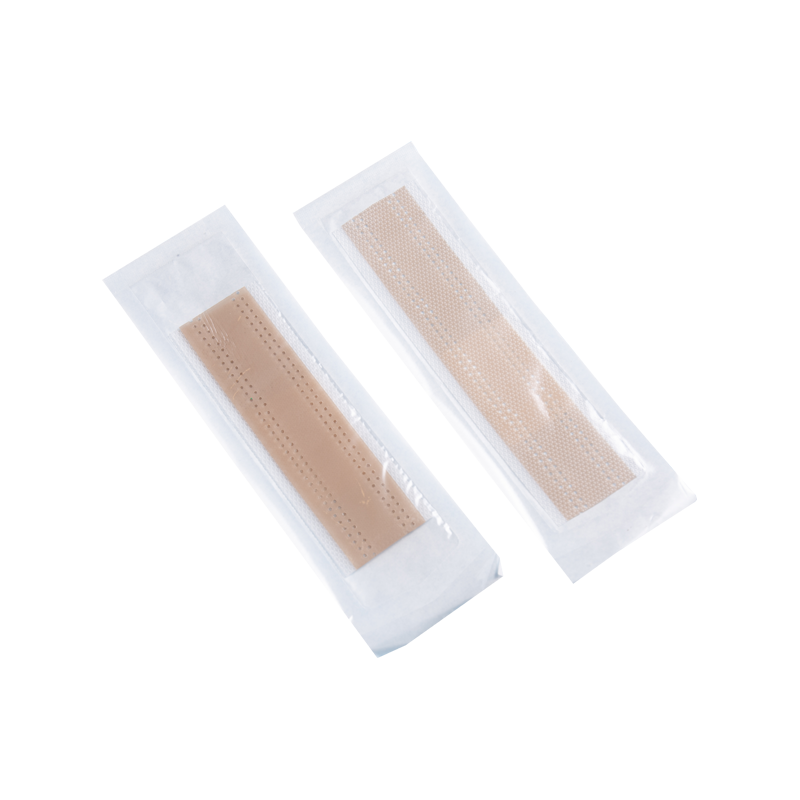
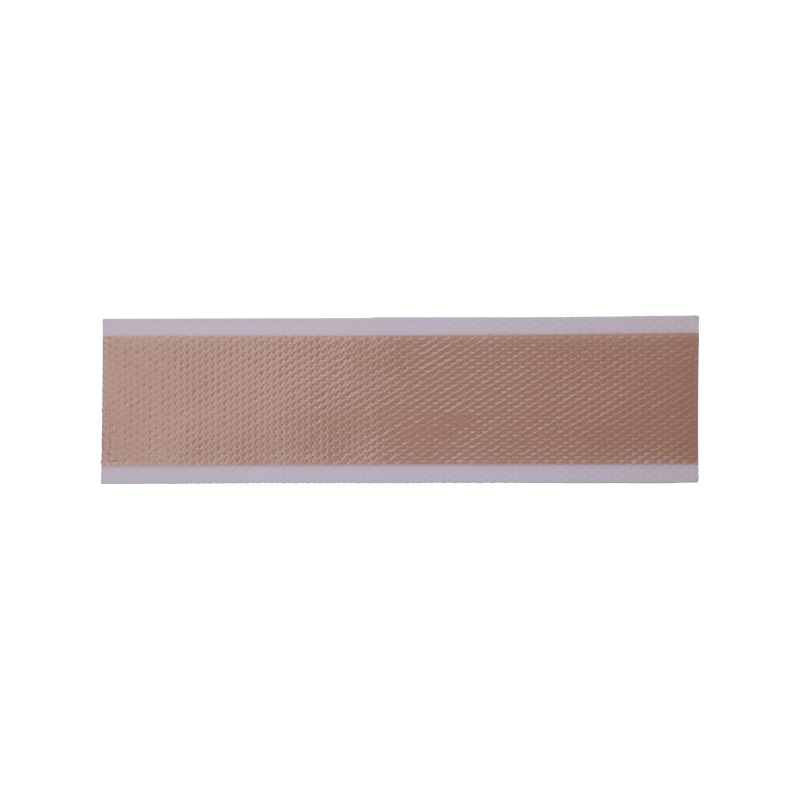
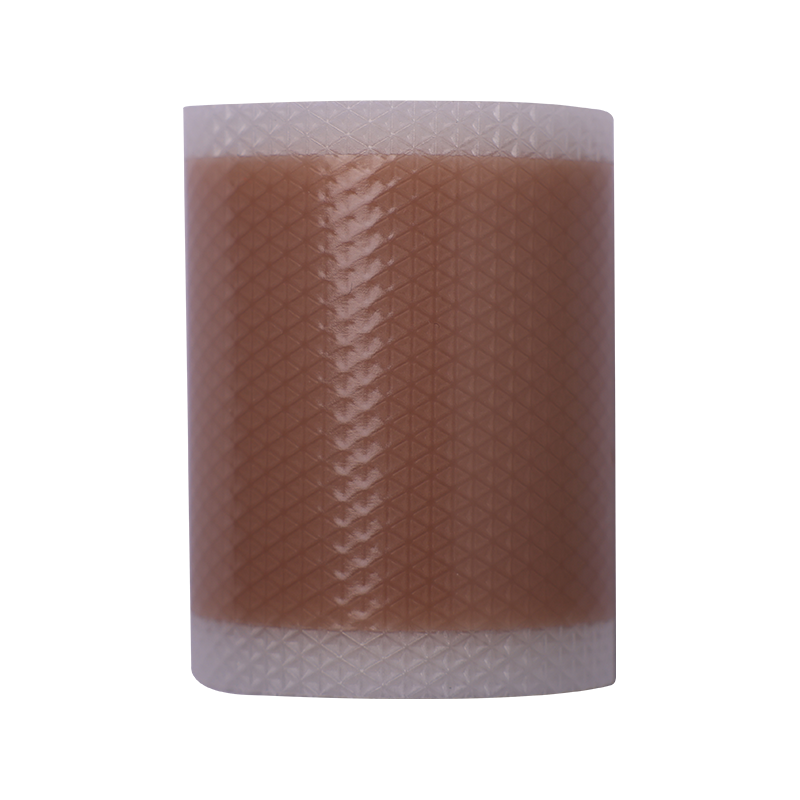
Silicone scar sheets work primarily through occlusion and hydration rather than through any active ingredient absorbed into the skin. When applied directly over a scar, the sheet forms a semi-occlusive barrier that reduces water loss from the scar tissue, increasing local hydration levels.
Hydration and Barrier Function
Increased hydration under the sheet is thought to help regulate the activity of fibroblasts, the cells responsible for collagen production, encouraging a more balanced remodeling process rather than continued excess collagen deposition. Over time, this shift supports gradual flattening of the raised tissue.
Temperature and Pressure Effects
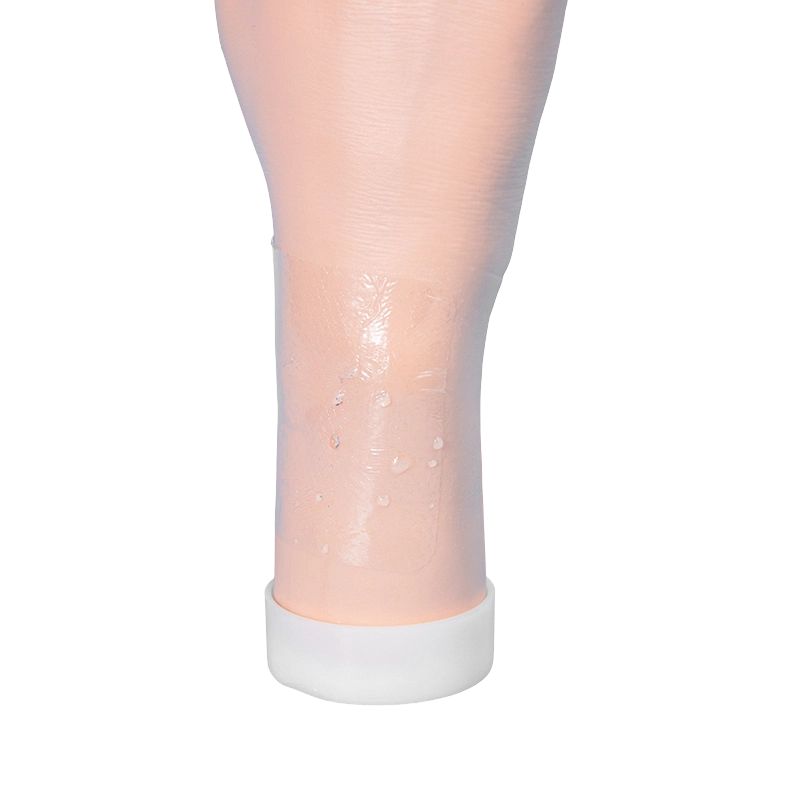
Some silicone sheet formulations also apply gentle, consistent pressure to the scar surface, which combined with the slight increase in local skin temperature under the sheet, may further support collagen remodeling. This combination of hydration, mild pressure, and consistent coverage distinguishes silicone sheets from creams or gels, which do not maintain the same continuous barrier over extended wear periods.
What Results to Expect and Realistic Timelines
Scar improvement with silicone sheets is gradual and depends heavily on consistent daily use over an extended period. Visible changes in color and texture are often reported gradually over the initial weeks of consistent use, with continued improvement in thickness and softness typically noted over several months of ongoing application. Scars that are older or more established generally take longer to show visible change than scars treated soon after they form.
| Scar Characteristic | Typical Response Pattern |
| Redness or discoloration | Often the first visible change with consistent use |
| Surface texture | Gradual softening as collagen remodeling progresses |
| Thickness or height | Slower to change, requiring sustained long-term use |
| Itching or tightness | May ease as hydration under the sheet improves |
Applying Silicone Scar Sheets Correctly
Correct application technique has a direct impact on how effective a silicone scar sheet is, since inconsistent wear or poor skin contact reduces the hydration and occlusion benefits the sheet is designed to provide.
Preparing the Skin
The scar and surrounding skin should be clean and completely dry before the sheet is applied, since moisture, oils, or residue on the skin surface can reduce how well the sheet adheres and maintains contact with the scar tissue throughout the wear period.
Maintaining Consistent Daily Wear
Consistency in daily wear time is one of the most important factors influencing outcome. Sheets are generally intended for extended daily wear, and gaps in use reduce the cumulative hydration effect that drives remodeling. Establishing a routine, such as applying the sheet at the same time each day and cleaning it according to the manufacturer's instructions for reuse, helps maintain this consistency over the weeks or months needed to see results.
Sheet Care and Reuse
Most silicone sheets are designed to be reusable for a period of time before replacement is needed. Gently washing the sheet with mild soap and water and allowing it to air dry between uses helps preserve its adhesive properties and hygiene. A sheet that has lost its tackiness or shows signs of wear should be replaced, since reduced adhesion allows the sheet to lift away from the scar surface and interrupts the continuous contact needed for effective treatment.
Practical Tips for Better Results
- Begin use as early as appropriate for the healing stage of the wound, since earlier intervention is generally associated with better long-term texture outcomes
- Trim the sheet to closely match the size and shape of the scar to maximize skin contact and avoid unnecessary coverage of surrounding healthy skin
- Keep a simple log of application dates and photos to track gradual changes, since day-to-day differences are often too subtle to notice without comparison over time
- Avoid applying additional creams or lotions directly under the sheet unless specifically designed for combined use, as this can interfere with adhesion
- Protect treated areas from direct sun exposure, since UV exposure can affect scar pigmentation independently of the treatment itself
Choosing a Silicone Sheet Suited to the Scar Location
Different body locations present different practical challenges for sheet wear, and selecting a product suited to the area improves both comfort and adherence to a consistent routine. Flexible, thin sheets tend to work well on joints and curved areas where movement is frequent, since rigid materials are more likely to lift or shift during daily activity. Larger, flatter areas such as the torso or back may accommodate larger sheet formats that reduce the number of separate pieces needed to cover the full scar. For visible areas such as the face, thinner, more discreet sheet options are often preferred to support consistent daytime wear without drawing attention. Matching the sheet format to the scar's location and the wearer's daily routine is one of the most practical ways to ensure the consistency that ultimately determines how much improvement in thickness and texture is achieved over time.