English
 عربى
عربى
Content
- 1 Why Choose Silicone Foam Dressings Over Traditional Options?
- 2 Key Features to Evaluate When Sourcing Silicone Foam Dressings
- 3 How to Evaluate a Silicone Foam Dressing Manufacturer
- 4 Technical Certifications and Compliance Standards
- 5 Cost-Effectiveness and OEM Customization
- 6 Conclusion – Partnering with a Trusted Silicone Technology Innovator
Why Choose Silicone Foam Dressings Over Traditional Options?
A wound’s healing progress can be undone in seconds when a conventional acrylic-based dressing tears newly formed tissue during removal. Silicone foam dressings address this core clinical risk with a soft, hydrophobic adhesive layer that releases cleanly from the wound bed and periwound skin, dramatically reducing mechanical trauma. The payoff is measurable: less pain for the patient, fewer dressing-change disruptions, and a lower likelihood of wound size regression.
Beyond gentle removal, the polyurethane foam core manages exudate by vertical wicking rather than lateral spread. This prevents maceration of the surrounding skin while maintaining a moist wound environment that supports autolytic debridement. Clinical literature consistently associates silicone interfaces with reduced pain scores during dressing changes, a benefit particularly pronounced in patients with fragile or compromised skin. Our internal evaluations confirm that the proprietary silicone adhesive used in STIC dressings achieves a 15× fluid absorption ratio with minimal residue on removal, combining high handling capacity with atraumatic performance.
The Role of Gentle Adhesion in Wound Healing
Adhesion with silicone is a physical, not chemical, bond. Microscopic contact between the soft silicone gel and the irregular skin surface creates a tack that holds without stripping surface cells upon separation. This is critical for diabetic foot ulcers, venous leg ulcers, and pressure injuries where the periwound is already stressed. Repeated application and removal of traditional medical tapes often leads to skin stripping, pain, and prolonged healing; silicone’s gentle fixation removes that variable. STIC’s in-house R&D team, composed of polymer scientists and adhesive specialists, has engineered a silicone formulation that maintains consistent tack across a range of skin conditions—from dry, atrophic skin to mildly moist wound margins—without requiring secondary fixatives.
Key Features to Evaluate When Sourcing Silicone Foam Dressings
Procurement decisions that rely solely on unit price miss the factors that drive clinical and economic performance. When comparing silicone foam dressings, focus on four dimensions: absorption capacity, breathability, backing material, and anatomic conformity. A dressing that manages exudate effectively reduces the frequency of changes, lowering total cost of care even if the piece price is higher. The combination of high absorption and a high moisture vapor transmission rate (MVTR) is the best predictor of periwound skin integrity outcomes.
Backing layers matter. Both polyurethane film and nonwoven backings are common; our internal testing shows that a thin, semi‑permeable PU film backing provides better conformability and shower protection while maintaining breathability. The shape of the dressing also influences clinical success: a poorly fitting rectangle on a heel or sacrum will channel exudate, lift at the edges, and require more changes. view our silicone foam dressing product line to see how material choices and design directly impact clinical utility.
Absorption Capacity and Fluid Handling
Absorption is not a single number. Measured as fluid weight retained under compression, our foam core reaches 15–20 times its own weight in internal tests, consistent with the performance expected for medium-to-heavy exudate management. What differentiates STIC’s construction is the distribution of absorbent capacity: the foam rapidly locks fluid away from the wound interface and resists strike‑through even under sustained body weight. Many competitor products achieve high lab numbers but allow fluid to pool at the dressing‑skin junction, promoting maceration. By retaining exudate deep within the foam matrix, STIC dressings prolong safe wear time and reduce the nursing burden.
Custom Shapes for Anatomical Sites
Pressure injury prevention protocols increasingly emphasize prophylactic dressings shaped to sacral, heel, and elbow contours. A standard square dressing bunches and gaps on curved surfaces, creating shear forces that undermine the very protection it is meant to provide. For general wound care, our square silicone foam dressing for general wound care offers a versatile format with clean edges, but anatomically designed dressings take efficacy further. The anatomical silicone foam dressing for heels and sacrum is engineered with deep, pre‑cut contours that follow natural bone prominences, eliminating the need for on‑site cutting and ensuring consistent coverage across large institutional deployments. Anatomic conformity directly correlates with fewer dressing failures and a reduced incidence of device‑related pressure ulcers.
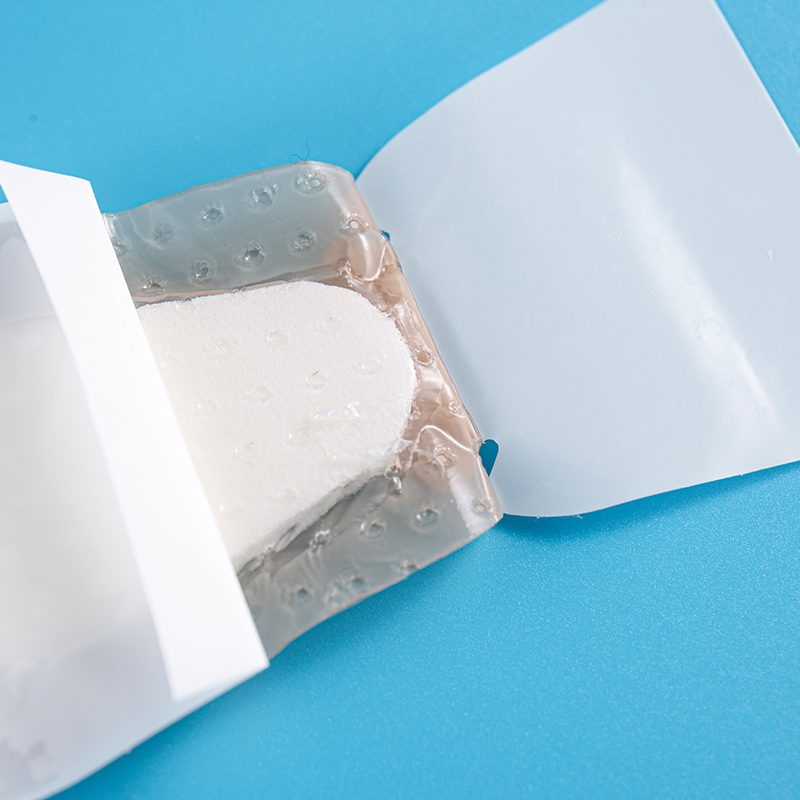 Anatomical Shape Silicone Foam Dressing Suppliers, Wholesale Factory - STIC (ShaSTIC (Shanghai) Co., Ltd. is China Anatomical Shape Silicone Foam Dressing Suppliers and Factory, Wholesale Anatomical Shape Silicone Foa...View Product →
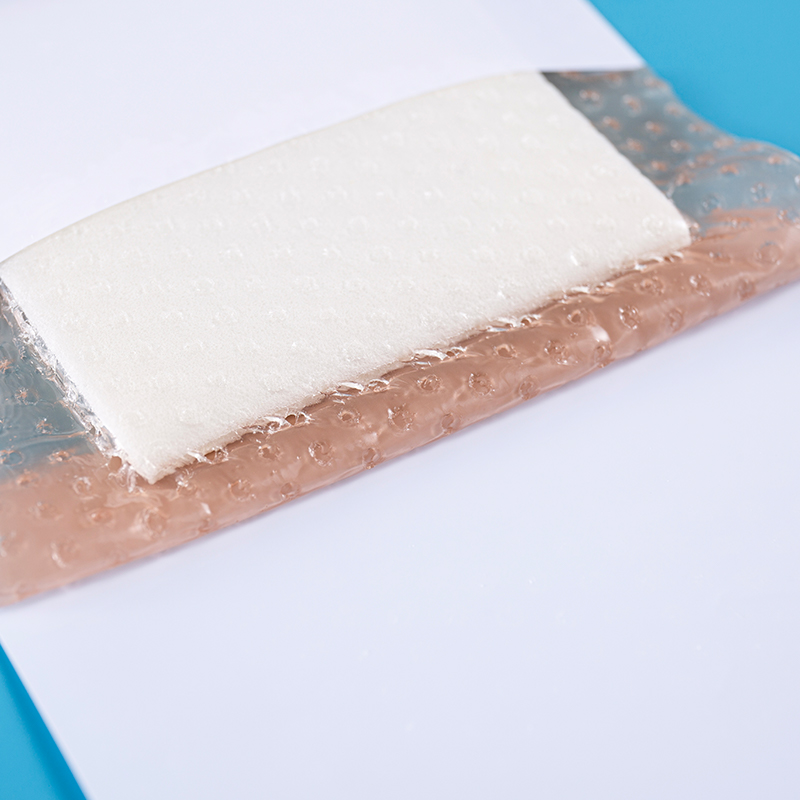 Square Silicone Foam Dressing Suppliers, Wholesale Factory - STIC (Shanghai) Co.STIC (Shanghai) Co., Ltd. is China Square Silicone Foam Dressing Suppliers and Factory, Wholesale Square Silicone Foam Dressing for sale,...View Product →
How to Evaluate a Silicone Foam Dressing Manufacturer
A reliable silicone foam dressing partner must own its manufacturing environment and adhesive technology, not simply assemble pre‑bought components. Verify that the factory operates under an ISO 13485 quality management system with cleanroom production rated at Class 100,000 (ISO 8) or better. In‑house formulation capability is non‑negotiable; it ensures that silicone tack, adhesion profile, and biocompatibility can be adjusted for specific clinical populations or regional regulatory requirements. STIC Shanghai operates a dedicated 5,000‑square‑meter GMP cleanroom facility where every lot is traceable from raw silicone gel mixing through final sterile packaging. learn more about our GMP-certified facility and our commitment to batch-to-batch consistency.
Quality Assurance in Production – GMP Cleanrooms
Class 100,000 GMP cleanrooms control airborne particulate and microbial levels, but the real value lies in process discipline. Temperature and humidity are tightly regulated during coating and lamination, which directly affects the silicone’s adhesive morphology and the foam’s absorbent pore structure. Environmental monitoring, validated sterilization methods, and in‑line inspection systems prevent deviations that could compromise sterility or performance. For a buyer, this means predictable supply and the ability to pass a regulatory audit with confidence. STIC’s internal R&D department holds multiple formulation and structure patents, giving OEM partners access to proprietary know‑how rather than off‑the‑shelf contract merchandise.
Technical Certifications and Compliance Standards
Market access depends on a product’s ability to satisfy regional medical device regulations without delays. STIC silicone foam dressings are manufactured under ISO 13485 certified quality systems, are CE marked under the EU Medical Device Regulation, and have received FDA 510(k) clearance for the US market. These certifications reduce the risk and timeline for distributors and brand owners introducing the product into new territories. Biocompatibility testing per ISO 10993 confirms that the silicone adhesive and foam materials are non‑cytotoxic, non‑irritating, and non‑sensitizing. Certificates and full technical dossiers are available under confidentiality agreements to support regulatory submissions.
Cost-Effectiveness and OEM Customization
Customization is often perceived as a premium service that inflates unit cost and extends lead times. Our vertically integrated production model—from silicone gel synthesis to finished dressing—reverses that equation. Because adhesive formulation and foam processing happen under one roof, developing a new anatomical die‑cut, adjusting the absorption profile, or creating co‑branded sterile packaging typically adds only marginal time and tooling cost. Custom projects that would take months with outsourced supply chains can reach pilot production in weeks at STIC. This speed translates directly into a competitive advantage for private‑label brands entering reimbursement‑driven markets.
From Prototype to Production – STIC’s OEM Workflow
The typical OEM engagement begins with a technical consultation where wound care requirements, target exudate levels, and skin conditions are defined. Our R&D team proposes a specification—silicone coat weight, foam density, backing film thickness—and produces small‑scale samples for customer evaluation. Once the prototype is approved, we move to pilot runs and stability testing, providing a full design history file and regulatory support for the partner’s own submission. Full production runs follow within agreed validation lead times, with the flexibility to adjust order volumes and packaging configurations as market demand evolves.
Conclusion – Partnering with a Trusted Silicone Technology Innovator
Moving beyond commodity wound care supplies requires a manufacturer that treats silicone foam dressings as a technology platform, not just a stock SKU. The combination of verified absorption capacity, pain‑free removal, anatomic customization, and in‑house regulatory expertise reduces the business risk for hospitals and distributors alike. STIC’s GMP‑certified infrastructure and internal adhesive R&D ensure that every dressing delivers reproducible clinical performance and meets the international compliance standards your market demands. To discuss a custom silicone foam dressing specification, request samples, or begin a private‑label partnership, reach out to our technical team for a confidential consultation.