English
 عربى

An IV port dressing looks like a simple piece of film, yet it carries a surprising amount of responsibility. It holds a catheter or port needle in place, keeps the insertion site clean and dry, and lets a nurse see what is happening underneath without lifting the dressing. When it works, nobody notices it. When it fails, the line comes out, the site gets contaminated, or a patient with fragile skin ends up with a painful tear. That balance between holding power and skin safety is exactly where silicone gel adhesive technology has earned its place in modern vascular access care.
Content
What an IV Port Dressing Is Actually Asked to Do
Whether the device is a peripheral IV catheter, a midline, a PICC, or a needleless port access, the dressing has to deliver several things at the same time. It is a securement device, a barrier, and a window, all in one small rectangle of material.
- Securement: the catheter hub or port needle must not shift, piston, or back out when the patient moves, coughs, or turns in bed.
- Barrier protection: the entry point must stay shielded from moisture, dust, and external contamination.
- Visibility: clinicians need to inspect the site for redness, swelling, or discharge without disturbing the device.
- Moisture management: the skin under the dressing needs to breathe so that perspiration and condensation do not pool around the puncture.
- Skin tolerance: the adhesive must come off without stripping the epidermis, especially on elderly, pediatric, or long-stay patients.
Many facilities aim to keep a dressing in place for the full dwell time of the device. Every early lift shortens that clock, adds nursing time, and increases the chance of an unnecessary re-site.
Why Silicone Gel Adhesive Changes the Equation
Traditional acrylic adhesives hold aggressively. That is useful on a cardboard box and much less useful on skin that is thin, dry, or already compromised. Repeated removal of acrylic tape is a well-recognized contributor to medical adhesive-related skin injury, which includes skin tears, blisters, and contact irritation around the insertion site.
Silicone gel adhesives work differently. Instead of gripping the surface, the gel wets the skin and forms a soft, continuous contact that delivers a low and predictable peel force. The practical results are easy to see at the bedside:
- Removal is gentle and generally does not pull hair or lift the top layer of skin.
- The dressing can be lifted, repositioned, and re-laid during placement without losing meaningful adhesion.
- No sticky residue is left behind, so the next dressing sits on clean skin.
- Silicone is chemically stable and well tolerated by sensitive skin, which matters for patients who need weeks of access.
For a port access patient who may keep the same needle and dressing for days at a time, that gentleness is not a luxury. It is the difference between a calm, uneventful course of therapy and a series of small, cumulative skin injuries.
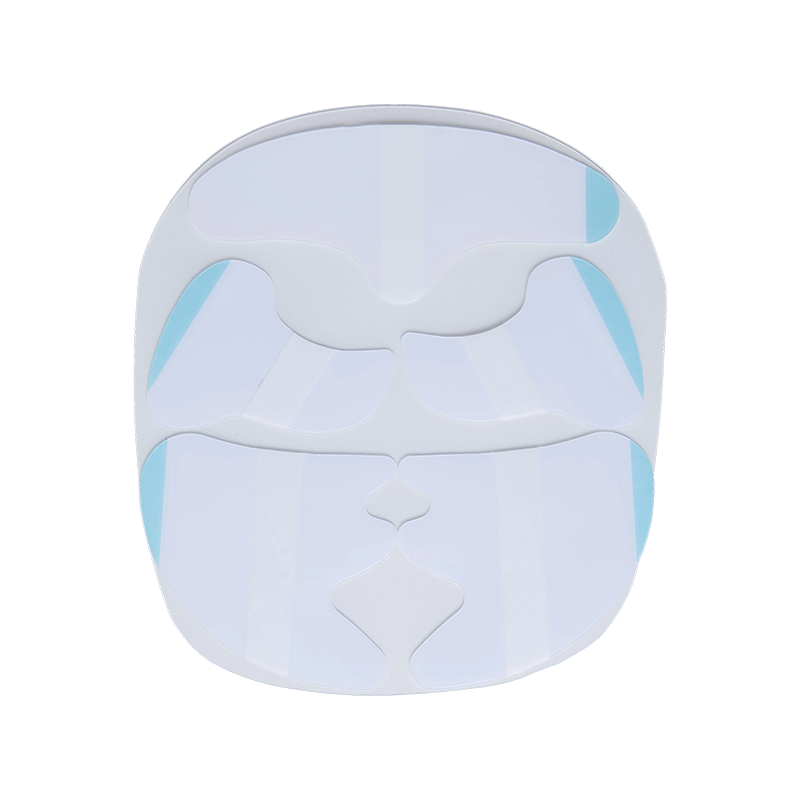
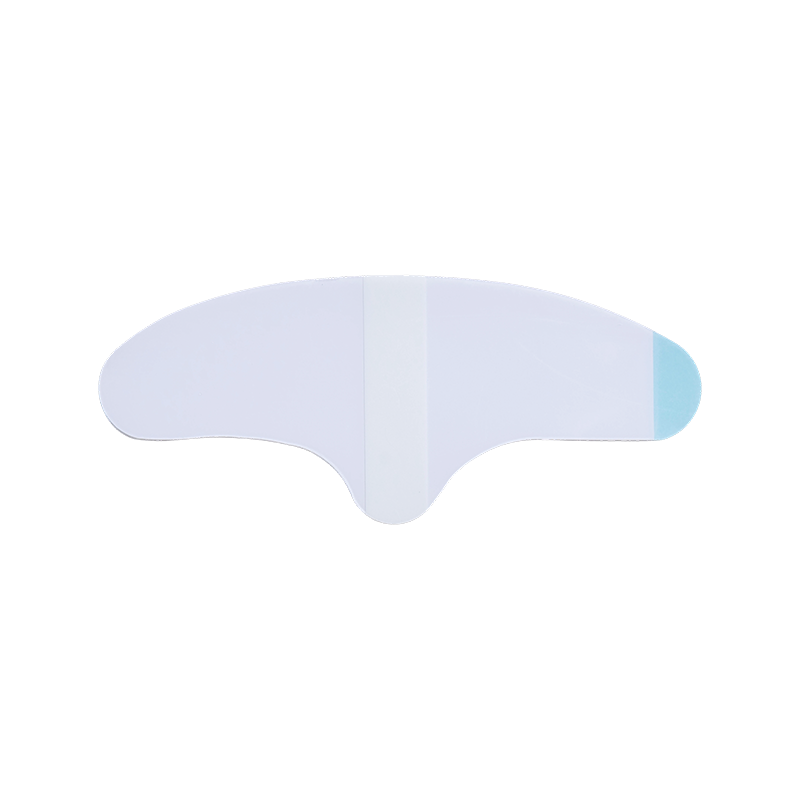
 Transparent I.V. DressingTransparent I.V. Dressing secures intravenous catheter sites with a clear silicone film that maintains full site visibility without removing the dressing.View Product →
We build our transparent silicone IV dressings around this principle: high conformity and reliable securement, paired with an adhesive that releases without a fight.
Matching the Dressing Format to the Access Device
There is no single dressing that suits every line. The right choice depends on the device, the patient's skin, expected dwell time, and how much movement the site will see.
| Format | Best suited to | Key considerations |
|---|---|---|
| Transparent film, no island | Short peripheral IVs on clean, dry, intact skin | Full site visibility and a very low profile; heavier hubs may need separate securement |
| Transparent film with island | Peripheral IVs and ports where light cushioning helps | The island absorbs small amounts of moisture while the clear border still allows inspection |
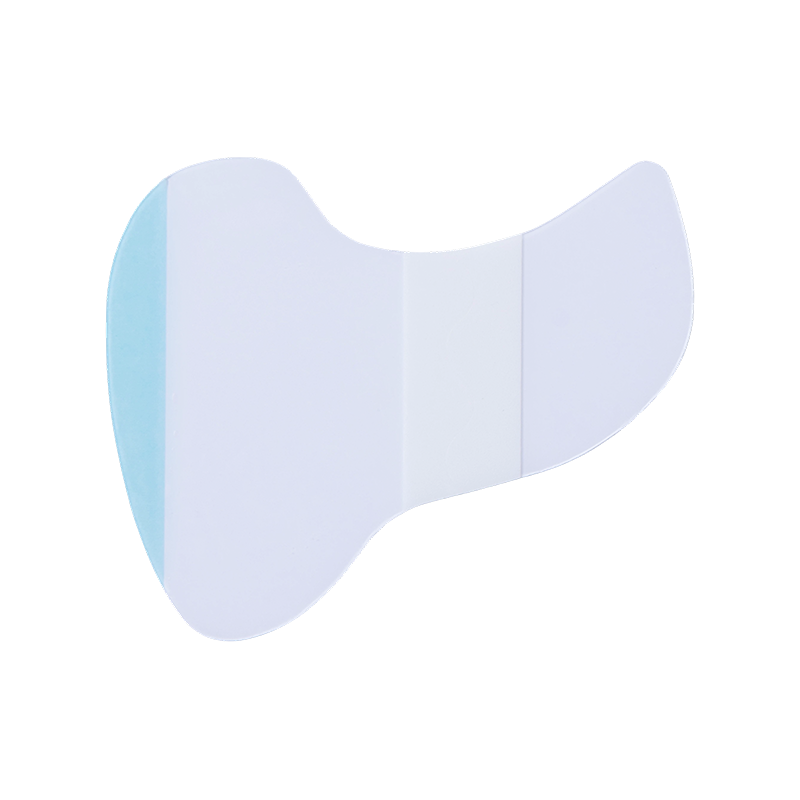
| Notched or U-shaped dressing | Lines that exit at a fixed angle from the skin | The notch wraps around the hub without wrinkling or tenting the film |
| Foam-backed silicone dressing | Weeping sites, fragile skin, longer dwell times | Cushions and manages exudate, but sits slightly higher than a film dressing |
| Silicone securement device | Port needles, winged catheters, restless patients | Adds mechanical hold without extra adhesive directly over the puncture |
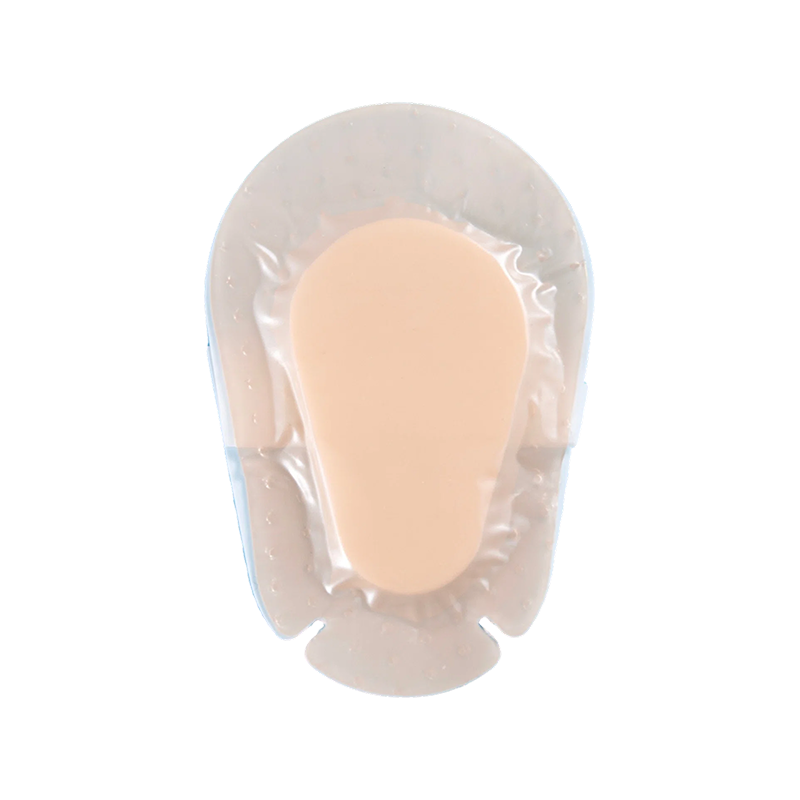
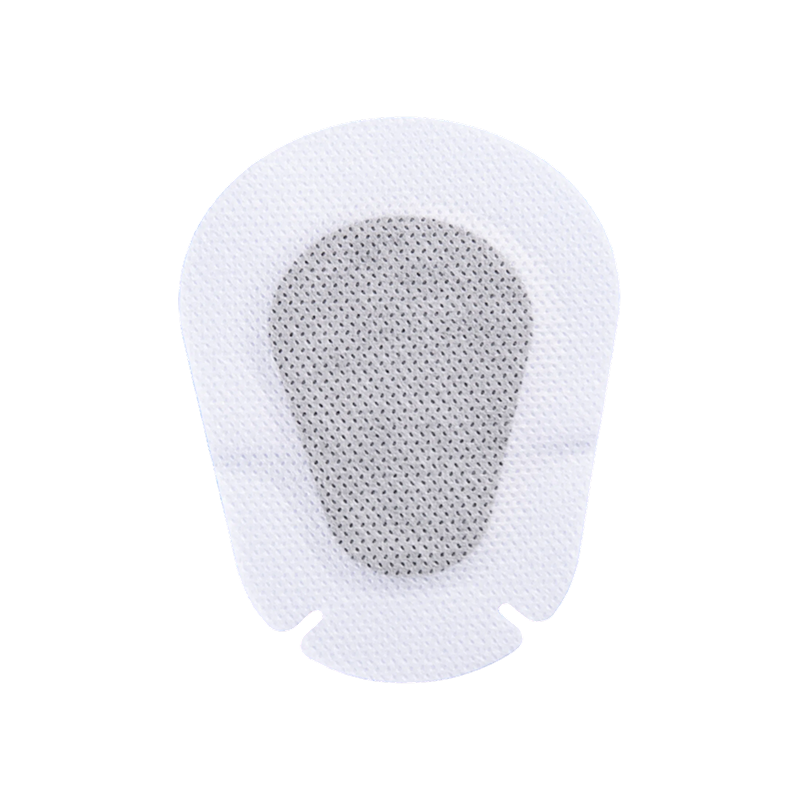
 Transparent I.V. Dressing with IslandTransparent I.V. Dressing with Island adds an absorbent central pad to standard transparent IV film protection, addressing minor exudate management at the catheter ins...View Product →
Where extra mechanical stability is needed, a dedicated wing-style securement device can be combined with the film dressing so that pull is distributed across a wider area of skin.
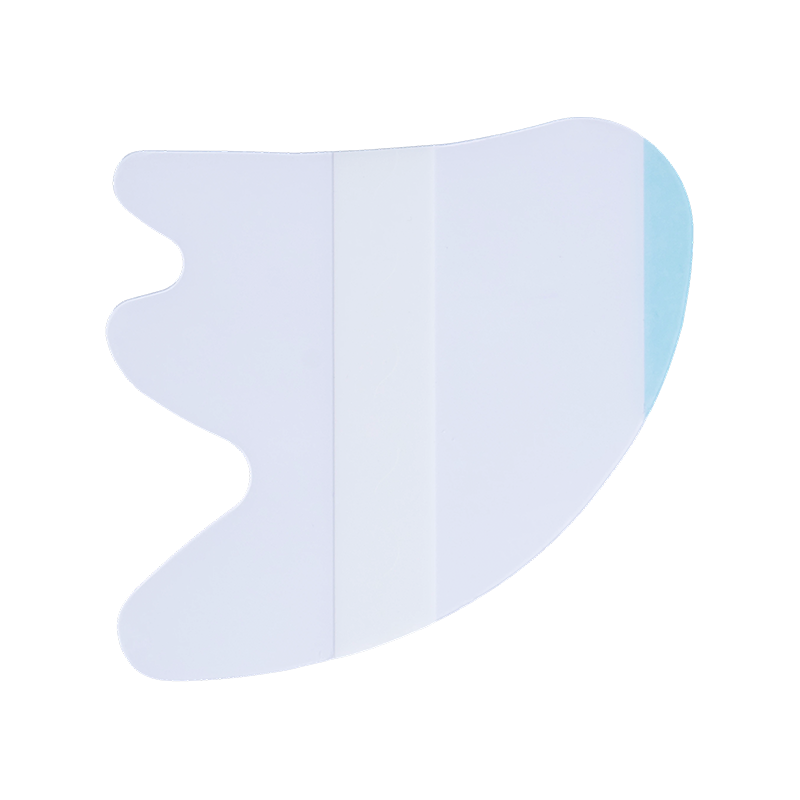
 Oval Adhesive Wing Securement DeviceOval Adhesive Wing Securement Device provides dependable catheter stabilization with a smooth, rounded-edge profile that reduces localized pressure and friction agains...View Product →
How to Apply an IV Port Dressing, Step by Step
Technique matters as much as the material. A careful application will outperform a premium dressing applied in a hurry.
- Verify the order, confirm patient identity, and gather everything you need before touching the site.
- Perform hand hygiene, don gloves, and prepare the site according to your facility protocol.
- Allow the antiseptic to dry completely. Trapping wet solution under a film is one of the most common causes of early lift and irritation.
- Clip excessive hair with scissors rather than shaving, which creates micro-abrasions.
- Hold the dressing by its edges and peel the release liner away without touching the adhesive surface.
- Center the dressing over the site and press from the center outward to push air out and seat the gel against the skin.
- For notched dressings, align the notch with the hub before the film contacts the skin, so you never have to peel and restart.
- Loop and secure the tubing with a separate stabilizer to absorb drag before it reaches the hub.
- Label the dressing with date, time, and initials, then document site condition and dressing type.
Common Problems and What They Usually Mean
When a dressing misbehaves, the cause is usually identifiable and fixable.
- Lifting within the first day: almost always moisture, skin oils, or hair at the edges. Dry the surrounding skin thoroughly and consider a skin barrier film.
- Redness, itching, or blistering: an adhesive or antiseptic reaction. Switching to a silicone gel adhesive system often resolves it.
- Cloudy or damp appearance under the film: trapped moisture. Look at breathability, dwell time, and whether the patient is febrile or diaphoretic.
- Catheter migration or pistoning: insufficient securement. Add a fixation device rather than layering more tape.
- Wrinkles over the hub: the dressing format does not match the exit angle. A notched design solves this cleanly.
What We Look For Before a Dressing Leaves Our Line
As a manufacturer focused on medical-grade silicone gel adhesives, we test against the conditions that decide whether a dressing survives a full dwell. Adhesion is measured on skin-like substrates, peel force is kept low and consistent, and breathability is checked so moisture can escape rather than collect. Every batch is produced in our 100,000-class GMP cleanroom in Shanghai and released against ISO, CE, and FDA-aligned requirements.
For Clinicians
Ask for the peel force data, the breathability rating, and the skin compatibility documentation. A dressing that is gentle but fails to hold is not a solution, and neither is one that holds at the cost of the patient's skin.
For Distributors and Procurement Teams
Consistency across shipments matters more than a single good sample. We support OEM and ODM programs with custom shapes, sizes, island configurations, packaging, and private-label branding, so a dressing can be tailored to the protocols of the markets you serve. You can read more about how silicone gel dressings are reshaping clinical wound and site care in our recent industry analysis.
An IV port dressing is a small object with an outsized job. It has to stay put through movement, sweat, and time, while still allowing a nurse to see the site and a patient's skin to recover when it comes off. Silicone gel adhesive makes that combination possible, and choosing the right format for the right device finishes the job. If you are evaluating dressings for a clinical protocol or a distribution portfolio, we are happy to share samples, technical data, and a straightforward conversation about what your sites actually need.