English
 عربى

Managing wounds with heavy exudate is one of the most demanding challenges in modern clinical care. When drainage exceeds what a standard foam dressing can hold, peri-wound skin becomes macerated, healing slows, and patient comfort drops. Super absorbent wound dressings were developed to solve exactly this problem, yet their true performance depends on more than absorption alone. At STIC (Shanghai) Co., Ltd., we are a silicone technology innovation company focused on medical-grade silicone gel adhesives. In this article, we explain what makes a super absorbent wound dressing work, and why silicone contact layers can make the difference between a dressing that simply absorbs and one that also protects.
Content
What Is a Super Absorbent Wound Dressing?
A super absorbent wound dressing is a multilayer product designed to handle moderate to very high exudate levels. While traditional foam dressings can absorb some moisture, superabsorbent dressings contain superabsorbent polymers (SAPs), sodium polyacrylate, or other high-capacity materials that can soak up many times their weight in fluid. The absorbed fluid is then locked inside the dressing, preventing strike-through and reducing the risk of maceration to the surrounding skin.
These dressings are frequently used for chronic wounds such as pressure ulcers, venous leg ulcers, diabetic foot ulcers, and surgical wounds that produce heavy drainage. They are also valuable in palliative care and in any setting where dressing changes are painful or costly.
In practice, a well-designed super absorbent wound dressing offers:
- High fluid handling capacity even under compression
- Fluid retention that minimizes leakage and odor
- Reduced frequency of dressing changes, lowering nursing time
- A soft, comfortable construction that conforms to body contours
However, choosing a super absorbent dressing involves more than checking absorbency numbers. The materials that touch the wound bed and peri-wound skin determine how the dressing performs in the real world.
Why Exudate Management Matters
Exudate is a normal part of the wound healing process, but too much of it can become harmful. Excessive wound fluid contains inflammatory mediators and enzymes that can degrade the extracellular matrix, damage healthy tissue, and slow healing. It also creates a wet environment that encourages bacterial overgrowth and increases the risk of infection.
At the same time, the peri-wound skin is fragile, especially in older patients or those taking certain medications. Prolonged exposure to moisture can lead to moisture-associated skin damage, which presents as redness, erosion, or even fungal infection. A dressing that absorbs fluid quickly and keeps it away from the skin is therefore not a luxury; it is a clinical requirement.
| Exudate Level | Typical Volume | Recommended Dressing |
|---|---|---|
| Low | Minimal moisture | Protective film or light silicone dressing |
| Moderate | Moist but contained | Foam dressing or hydrocolloid |
| High | Visible drainage requiring change every 1-2 days | Super absorbent wound dressing |
| Very high | Heavy drainage saturating regular dressings | High-capacity superabsorbent dressing with extra absorbent core |
As the table suggests, super absorbent dressings are essential when exudate levels are high or very high. Their multilayer construction is designed to maintain a balanced wound environment without putting pressure on delicate skin.
Anatomy of a High-Performance Super Absorbent Dressing
Understanding how these dressings are built helps clinicians and procurement teams evaluate product quality. Most super absorbent wound dressings have three functional layers.
The Wound Contact Layer
This is the layer that sits directly on the wound and the surrounding skin. It must transfer fluid quickly to the absorbent core while remaining non-adherent to the wound bed. Some dressings use a perforated film or a soft silicone gel coating. Silicone wound contact layers are widely used in modern dressings because they are gentle, conformable, and do not stick to the wound surface.
The Absorption Core
The core is where the super absorbent performance lives. It can be made of SAP granules, cellulose fibers, foam, or a combination of these materials. High-quality cores are designed to distribute fluid evenly across the dressing so that one area does not become soaked while the rest remains dry. This prevents early failure and helps the dressing stay comfortable for longer wear times.
The Backing Layer
The backing layer protects the absorbent core and prevents fluid from leaking out. It can be breathable to allow moisture vapor transmission, which keeps the skin healthy, or waterproof to allow showering. Some backing layers are also bacteria-proof, adding an extra barrier to contamination.
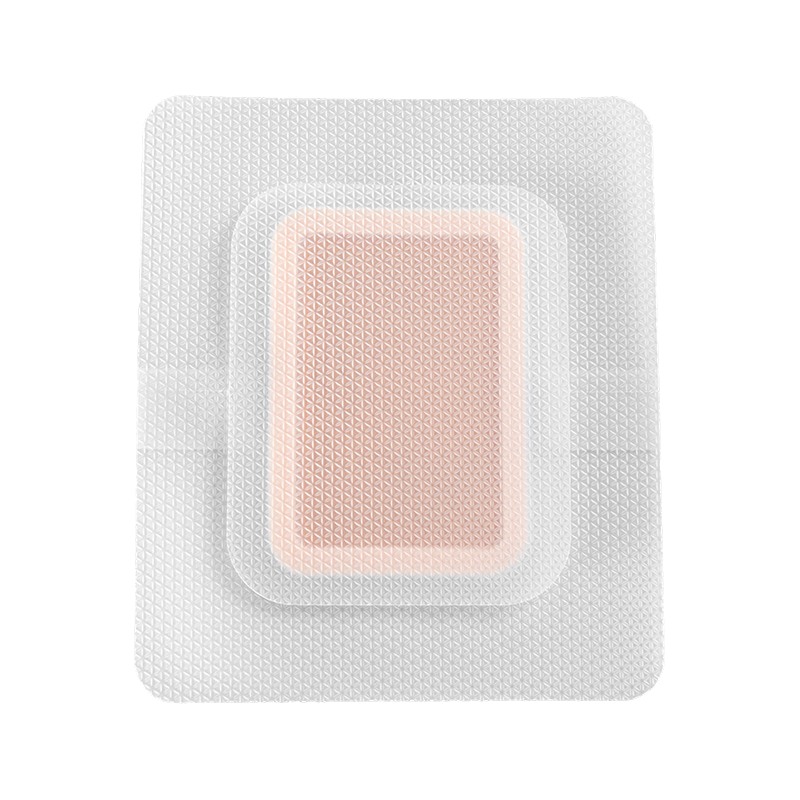
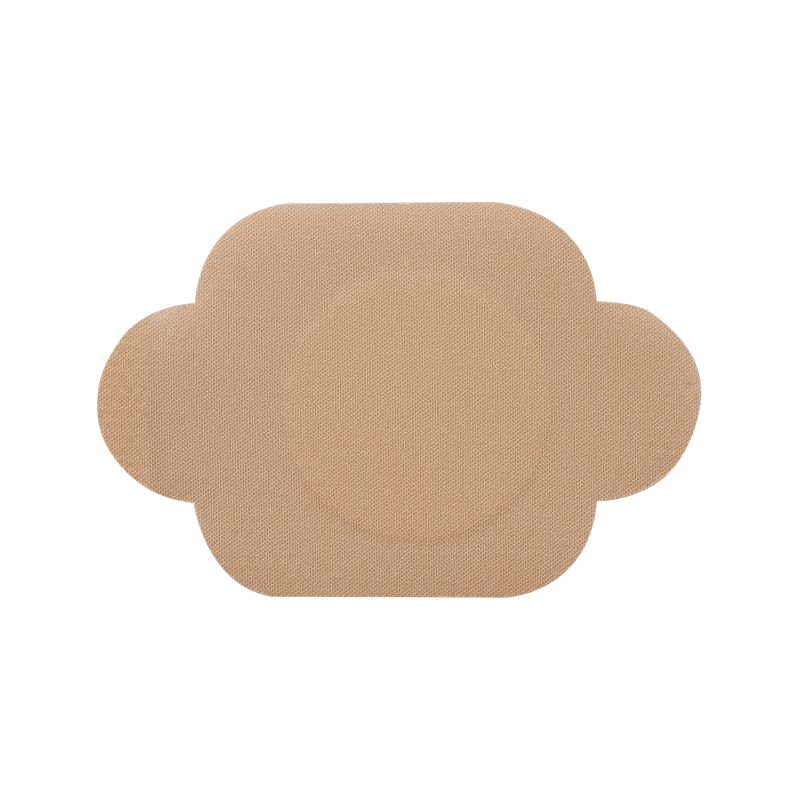
When all three layers work together, a super absorbent wound dressing can provide reliable protection even on challenging wounds. For example, our square silicone foam dressing combines an absorbent foam core with a medical-grade silicone contact layer and a breathable backing. It is designed for moderate to heavy exudate and is often used in hospitals and home care settings.
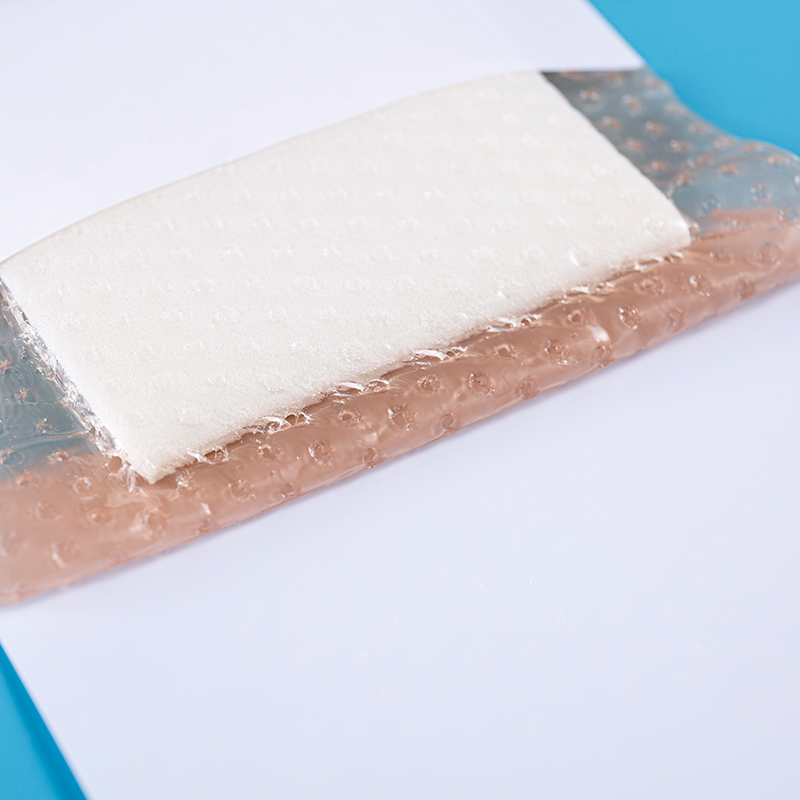 Square Silicone Foam Dressing for Moderate to Heavy ExudateThis multi-layer dressing pairs a high-density polyurethane foam core with a gentle silicone contact layer, addressing the skin-stripping risks of traditional adhesives and supporting pain-free changes for fragile skin.View Product →
Why Silicone Contact Technology Improves Super Absorbent Dressings
The wound contact layer is often the weakest link in conventional absorbent dressings. Many traditional dressings use acrylic adhesives that stick aggressively to the skin. When the dressing is removed, it can strip away the stratum corneum, break fragile blood vessels, and cause significant pain. This is particularly dangerous for elderly patients, premature neonates, and people with thin or fragile skin.
Silicone gel adhesives behave differently. They adhere securely at body temperature, but they do not stick to the moist wound surface. This means the dressing stays in place during wear, yet can be removed gently with minimal trauma. The silicone layer also creates a seal around the wound to prevent exudate from leaking onto intact skin.
Key benefits of silicone contact layers in super absorbent dressings include:
- Painless removal and reduced dressing-related trauma
- Reduced risk of medical adhesive-related skin injuries (MARSI)
- Secure adhesion that allows the dressing to move with the patient
- Conformability around difficult anatomical sites
- Re-positionability immediately after application, which helps clinicians align the dressing correctly
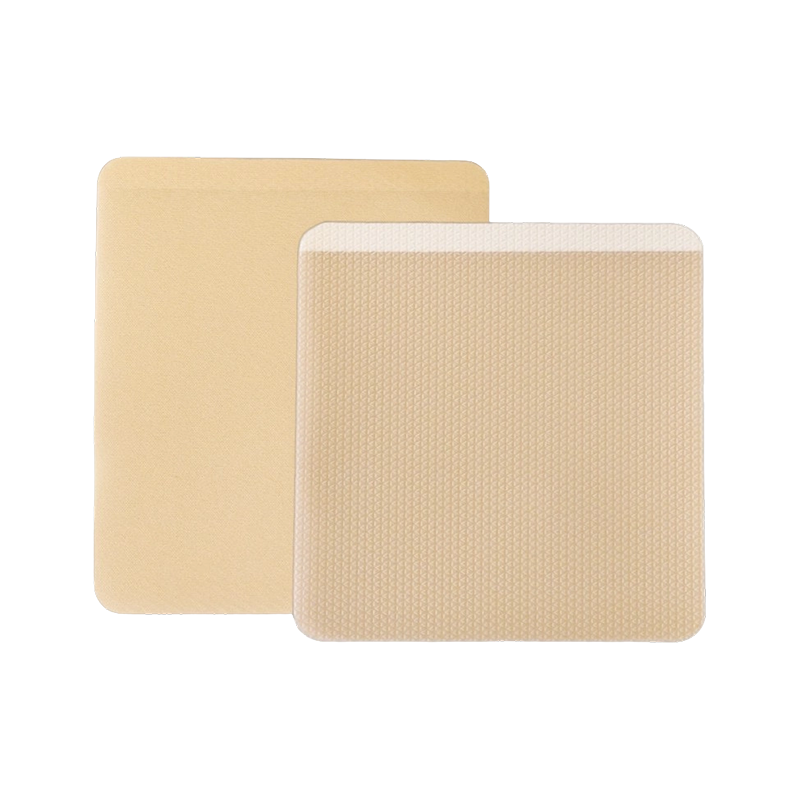
At STIC, we produce medical-grade silicone gel adhesives used in our own dressing lines and available for OEM/ODM projects. Our Class 100,000 GMP cleanroom factory and in-house research team ensure consistent quality from batch to batch. Our stretch fabric silicone wound dressing, for example, is designed for joints and other high-movement areas, offering flexible fixation while keeping a breathable absorbent structure.
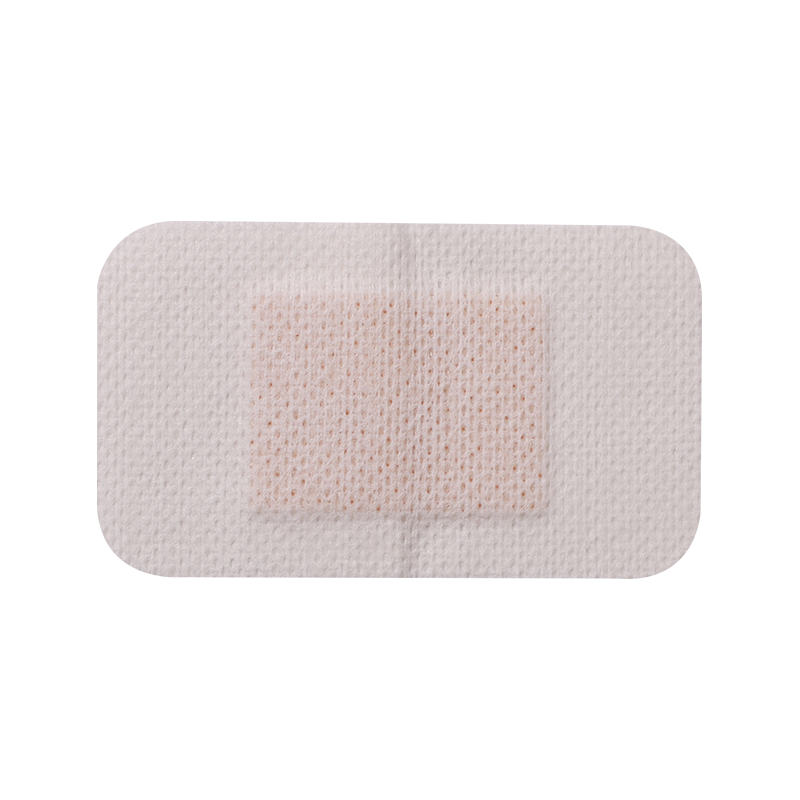
 Stretch Fabric Silicone Wound Dressing for High-Movement AreasDesigned for joints and contoured surfaces, this dressing uses an elastic fabric backing and silicone border to reduce edge-lifting, making it a practical option for post-operative incisions and active patients.View Product →
Choosing a Manufacturing Partner for Super Absorbent Wound Dressings
When you source super absorbent wound dressings, whether for a hospital network, a distributor, or a private label brand, you need a partner who understands both clinical needs and manufacturing reality. Absorbency claims should be verified through documented testing, and materials must meet relevant international standards such as ISO, CE, and FDA requirements.
Look for a manufacturer with a cleanroom facility, a dedicated R&D team, and the flexibility to customize shapes, sizes, absorbent cores, and packaging. The best partners also help you select the right wound contact layer. Silicone-based dressings have become the preferred choice in many markets because they balance absorption with skin protection and ease of use.
Our clinical insights on silicone gel dressings explain how silicone technology is reshaping wound care, and our engineers and chemists are ready to support your specific project.
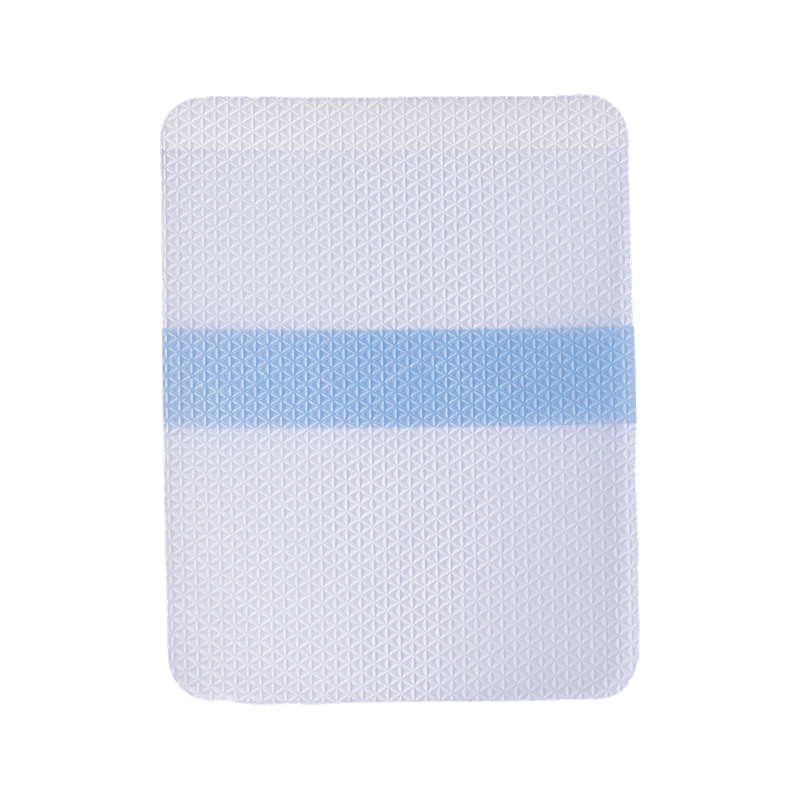
For lower-exudate applications that still require silicone gentleness, our nonwoven breathable silicone wound dressing offers a lightweight alternative that can be used as a secondary dressing or combined with a superabsorbent pad. It demonstrates how silicone contact layers can be adapted to different absorbent requirements.
 Non-Woven Breathable Silicone Wound Dressing for Low ExudateA lightweight alternative with a breathable non-woven backing and silicone adhesive border, suitable for routine wound care where gentle adhesion and comfort are priorities, including daily dressing changes.View Product →
From choosing the right absorbent core to designing a custom adhesive pattern, we can help you create a super absorbent wound dressing that performs in the real world.