English
 عربى

Recovering from a C-section is a journey that involves strength, patience, and a bit of knowledge about how your body heals. For many mothers, the scar left behind can be a source of discomfort, both physically and emotionally. That is where silicone strips step in—not as a magic fix, but as a clinically proven tool to help your scar heal flatter, softer, and less noticeable. As a manufacturer specializing in medical-grade silicone adhesives, we have seen firsthand how these small, flexible strips can make a real difference in postpartum recovery.
Content
- 1 What Are Silicone Strips for C-Section Scars?
- 2 When Can You Start Using Silicone Strips?
- 3 How to Use Silicone Strips: A Simple Routine
- 4 Why Consistency Is the Real Secret to Success
- 5 What to Look for in a Silicone Strip
- 6 Real-World Perspective: What Moms Say
- 7 A Technology-Driven Approach to Healing
- 8 Final Thoughts
What Are Silicone Strips for C-Section Scars?
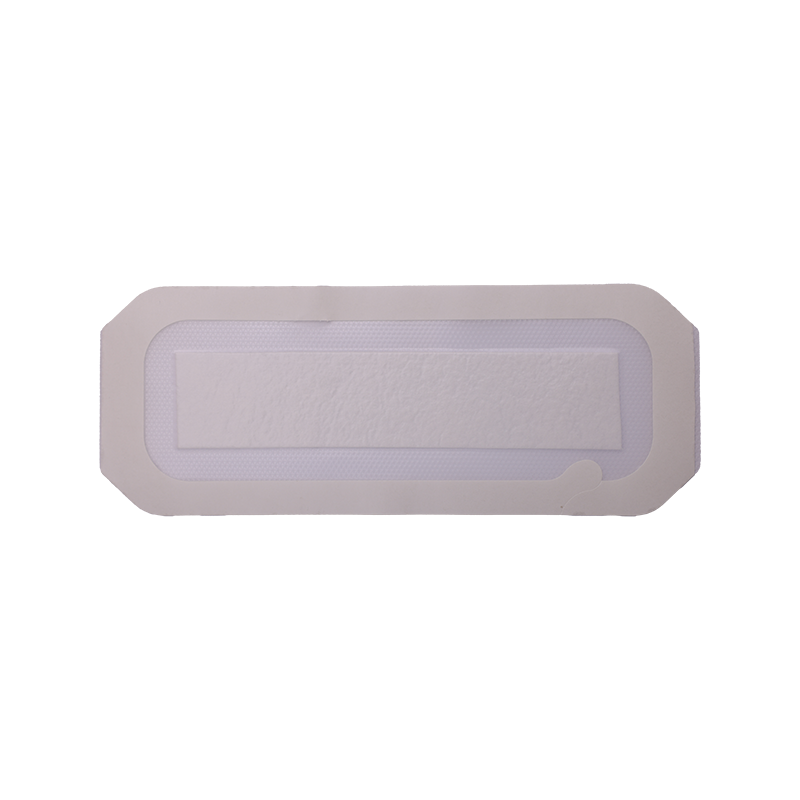
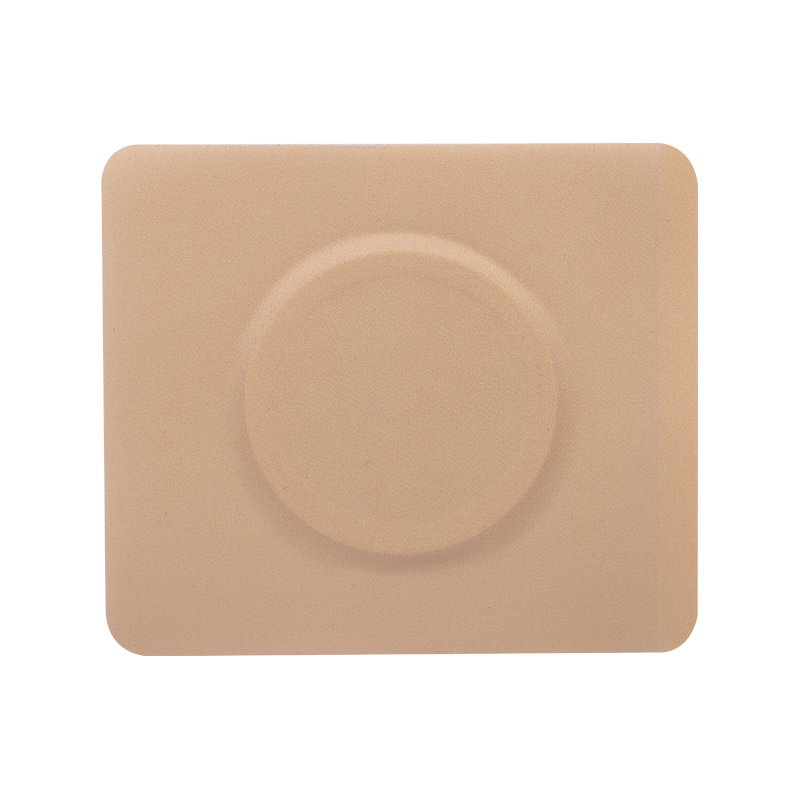
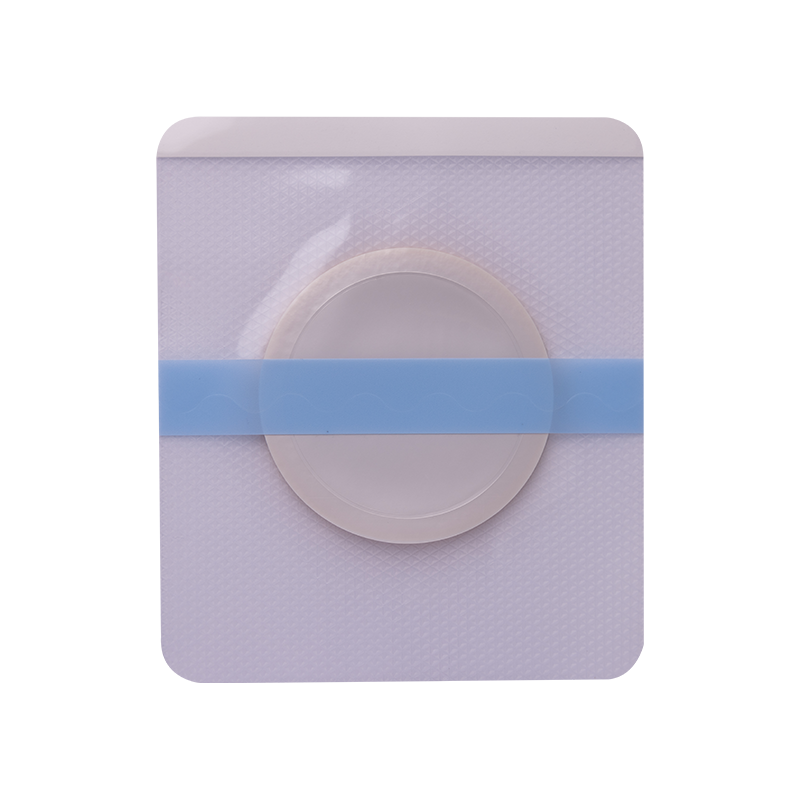
Silicone strips are soft, flexible, self-adhesive sheets made from medical-grade silicone. You place them directly over a healed C-section scar. They create a protective, hydrating layer that helps regulate collagen production. This prevents the scar from becoming raised, thick, or discolored. Unlike creams or ointments, the strip provides consistent, gentle pressure and occlusion, which are the keys to effective scar management.
The science behind it is straightforward: the silicone layer mimics the natural barrier of healthy skin. It keeps the scar hydrated and prevents the formation of excess scar tissue. Over weeks of consistent use, the scar gradually flattens, softens, and fades in color. The best part? It is non-invasive, painless, and can be worn under clothing throughout the day.
When Can You Start Using Silicone Strips?
Timing is everything when it comes to scar treatment. For a C-section incision, it is crucial to wait until the wound has fully closed, and there is no scabbing, drainage, or open areas. This usually happens around two to four weeks after surgery, but your doctor will give you the green light based on your specific healing progress.
Starting too early can irritate the incision. Starting too late might miss the window when the scar is most responsive to treatment. The goal is to begin as soon as the incision is healed, clean, and dry. Once you have the go-ahead, you can wear the strip for up to 24 hours a day, removing it only to clean the area and replace the strip.
How to Use Silicone Strips: A Simple Routine
Using silicone strips is simple, but consistency is key. Here is a step-by-step guide that we recommend, based on clinical best practices:
- Wash and dry the scar area gently with mild soap and water. Pat it completely dry.
- Peel the protective backing from the silicone strip. Avoid touching the adhesive side with your fingers.
- Place the strip directly over the scar, smoothing it out to ensure full contact. It should extend about an inch beyond the scar on all sides.
- Wear the strip for at least 12 hours a day, ideally 24 hours. Remove it daily to wash the strip and the skin.
- Replace the strip every 10 to 14 days, or as soon as it loses its stickiness. Reusable strips are designed for multiple uses.
Most women see visible improvements within eight to twelve weeks of consistent use. A common mistake is skipping days. If you stop for more than a day or two, the scar may start to revert. Make it part of your daily routine—perhaps after your morning shower.
Why Consistency Is the Real Secret to Success
If there is one piece of advice we want to emphasize, it is this: consistency matters more than intensity. Applying a strip for a few hours here and there will not deliver the same results as wearing it for the recommended amount of time. The silicone needs continuous occlusion and hydration to influence collagen remodeling.
We have heard from women who gave up after a few weeks because they did not see immediate changes. Then, a few months later, their friend who stuck with it had a nearly invisible scar. The difference? Discipline. Set a reminder on your phone, keep a spare strip in your bag, and treat it as a non-negotiable part of your recovery. Your future self will thank you.
What to Look for in a Silicone Strip
Not all silicone strips are created equal. The quality of the silicone and the adhesive backing can significantly affect performance and comfort. Here are a few key factors to consider:
| Feature | Why It Matters |
|---|---|
| Medical-Grade Silicone | Safe for sensitive healing skin, hypoallergenic, and free from toxins. |
| Breathable Adhesive | Allows the skin to breathe while keeping the strip in place for days. |
| Reusable Design | Cost-effective; can be washed and reused for up to two weeks. |
| Thickness & Flexibility | Thin and flexible strips are more comfortable and less visible under clothes. |
| Clinical Evidence | Look for products backed by published studies or international standards (ISO, CE, FDA). |
Because scar management is a long process, it pays to invest in a high-quality product. Many lower-cost options lose adhesion quickly or contain additives that can irritate sensitive skin. A reputable medical-grade strip will stay in place, provide consistent pressure, and be gentle enough for daily wear.
Real-World Perspective: What Moms Say
Listening to mothers who have walked this path gives us a genuine sense of what works. Many report that the hardest part is not the product itself, but the commitment. Life with a newborn is exhausting. Finding ten seconds to put on a silicone strip can feel like a chore. Yet, those who push through often describe it as the best postpartum decision they made.
One mother said her scar went from a raised, red line to a flat, silvery mark after three months of nightly use. Another mentioned that the strip also helped reduce itchness, which is common during the healing process. These stories remind us that scar management is not just about appearance—it is about comfort and confidence. A well-managed scar can feel less tight and less sensitive, making it easier to move, exercise, and wear certain clothes.
A Technology-Driven Approach to Healing
As a company built around silicone innovation, we understand that behind every strip is a complex science of adhesion, skin compatibility, and long-term performance. Our own facility, a 5,000-square-meter GMP cleanroom, is dedicated to producing medical-grade silicone adhesives that meet international standards. Our goal is to help healthcare providers and consumers access tools that are safe, reliable, and effective.
To deepen your understanding of how silicone gel works in wound and scar management, we invite you to explore our clinical insights in this article on silicone gel scar sheets. And if you are looking for a product designed specifically for C-section recovery, we recommend checking out our dedicated  C-Section Silicone Patch for Early RecoveryDesigned for post-cesarean incision protection, this waterproof patch with a wide PU backing provides gentle cushioning and reduces friction from clothing, supporting the transition from wound healing to scar management.View Product →, which is engineered for optimal hydration and adhesion to support your healing journey.
Final Thoughts
Your C-section scar is a badge of strength, but it doesn't have to be a source of discomfort. Silicone strips offer a simple, evidence-based way to help your scar heal flatter, softer, and less visible. With the right product and a consistent routine, you can give your skin the support it needs. Remember, patience and commitment are your greatest allies. Start when your incision has healed, wear the strip daily, and trust the process.