English
 عربى

A patient with a partial-thickness burn waits on the treatment bed. The clinician lifts the edge of the old dressing, and a thin layer of newly formed epithelium comes away with the adhesive. The wound starts to bleed, the patient flinches, and hours of healing progress are undone in one movement. This is not an isolated case. In clinics around the world, dressings that bond to the wound bed cause avoidable pain, slow recovery, and extend treatment time.
The solution is a silicone contact layer, a non-adherent primary dressing that protects the wound surface while allowing exudate to pass through to a secondary absorbent dressing. This article explains what silicone contact layers are, why they have become the standard for atraumatic wound care, and what procurement teams should verify before adding one to their portfolio.
Content
What Is a Silicone Contact Layer?
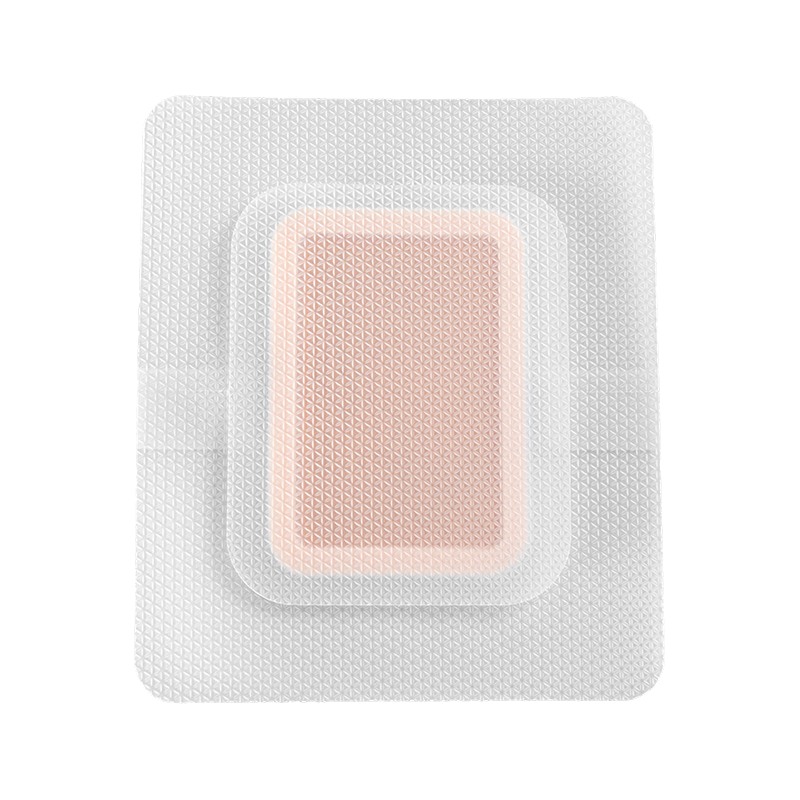
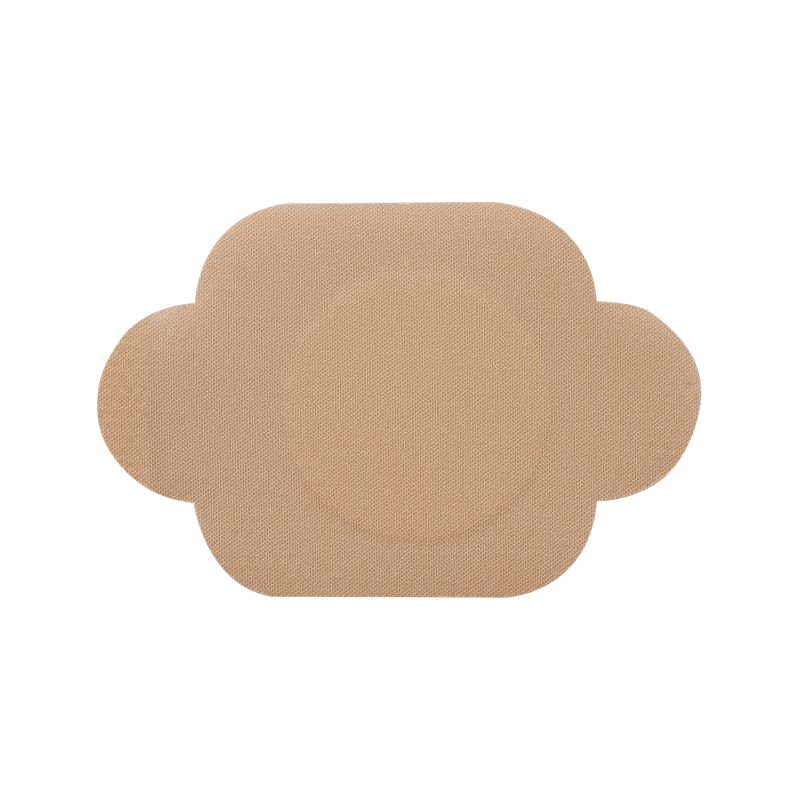
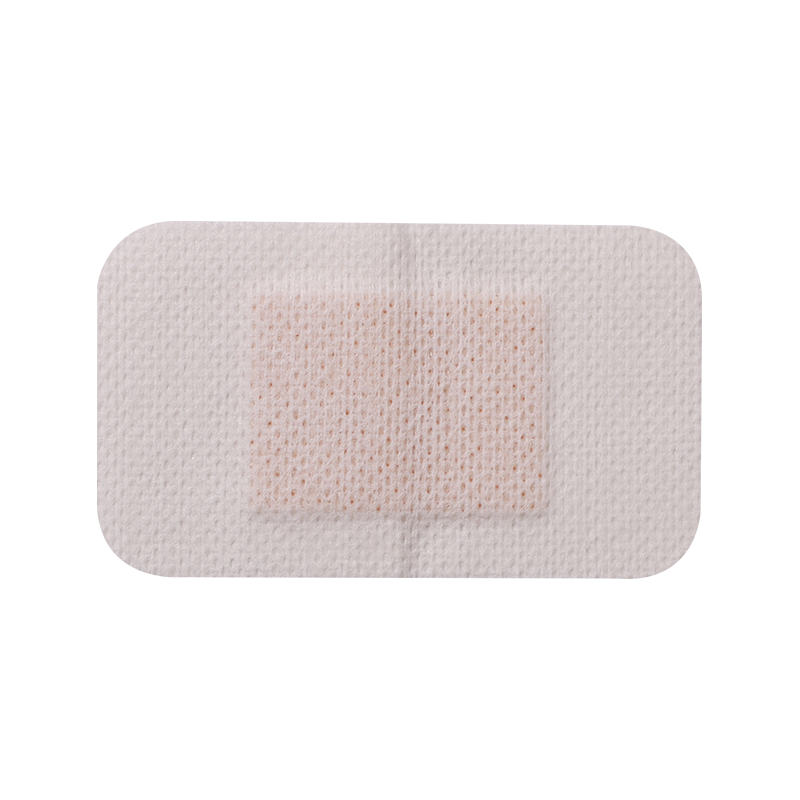
A silicone contact layer is a thin, conformable sheet placed directly on the wound bed. It is typically a lightweight polyester or nylon mesh coated with medical-grade silicone gel. The silicone side faces the wound, yet it does not adhere to the moist wound surface. Instead, it holds gently against the surrounding dry skin, firmly enough to stay in place but weakly enough to lift off without stripping the epidermis.
Its second function is exudate management. The layer is perforated or open-mesh, so wound fluid moves vertically into a secondary dressing on top. The wound bed stays moist but not wet, and the secondary absorbent dressing, whether foam, gauze, or a superabsorbent pad, can be changed as needed while the contact layer remains in place, often for up to seven days.
The distinction matters: unlike a silicone adhesive dressing with an adhesive border, the contact layer is designed to be non-adherent across the entire wound area. It is an interface, not an occlusive cover. That small difference in design is what makes the clinical outcomes so different.
Why Silicone Contact Layers Perform Better
Atraumatic Removal Protects Healing Tissue
During the proliferative phase, new capillaries and epithelial cells are exceptionally fragile. Any dressing that sticks to the wound bed tears them away at the next change, a phenomenon known as epithelial stripping. Silicone has a low surface energy, which means it does not bond to the moist protein matrix of a healing wound. When the dressing is lifted, the silicone layer separates cleanly, leaving the newly formed tissue intact. This atraumatic release is the same reason clinicians prefer silicone adhesives for skin contact across tapes, dressings, and fixation devices.
Pain Scores Drop Significantly
Dressing removal is often the most painful part of wound care. Silicone contact layers reduce removal pain to a minimum because they do not pull on the wound bed. That is especially valuable for pediatric patients, elderly patients, and anyone with fragile skin or repeated dressing changes. Lower pain also reduces the need for systemic analgesia and improves patient cooperation during treatment.
Exudate Moves Vertically Instead of Sideways
When exudate is trapped between the wound and the dressing, it spreads under the wound edges and macerates the periwound skin. The open structure of a silicone contact layer channels fluid upward into the absorbent secondary dressing, keeping the wound bed clean and the surrounding skin dry. This vertical transfer is the mechanism that prevents the pooling and maceration associated with older dressing types.
Fewer Dressing Changes Mean Faster Progress
Because the contact layer can remain in place over several days, only the secondary dressing is replaced during routine visits. The wound bed is disturbed less often, which measurably improves healing rates and reduces nursing workload. For healthcare systems under pressure, fewer changes also mean lower total material costs per healing episode.
Silicone Contact Layer vs. Other Primary Dressings
The clinical advantage of a silicone contact layer is best understood in comparison. Paraffin gauze was a standard primary dressing for decades, but it can dry out, adhere to the wound bed, and shed fibers. Acrylic adhesive dressings provide secure fixation but often damage fragile skin on removal. Silicone contact layers combine secure positioning with non-adherent release. This shift reflects a broader movement in modern wound care, where silicone gel dressings are rethinking wound care for both clinical and distribution reasons.
| Feature | Silicone Contact Layer | Paraffin Gauze | Acrylic Adhesive Dressing |
|---|---|---|---|
| Trauma on removal | Low | Moderate | High |
| Pain on removal | Minimal | Moderate to high | High |
| Exudate passage | Good through perforations | Poor, saturates quickly | Limited |
| Repositionable | Yes | No | No |
| Typical wear time | Up to 7 days | 1 to 2 days | 2 to 4 days |
| Secondary dressing required | Yes | Yes | No |
| Suitability for fragile skin | Excellent | Poor | Poor |
When to Choose a Silicone Contact Layer
In practice, silicone contact layers are used in any situation where the wound bed needs protection from disturbance and where granulation tissue is present or expected. Common indications include:
- Partial-thickness burns and skin graft donor sites
- Venous and mixed leg ulcers
- Pressure injuries with granulating tissue
- Postoperative wounds with friable wound edges
- Skin graft recipient sites
- Fragile skin conditions where epidermal stripping must be avoided
The layer works across low to heavy exudate levels when paired with the right secondary dressing. For low-to-moderate exudate, a nonwoven breathable silicone wound dressing offers a soft, conformable contact surface for the wound bed.
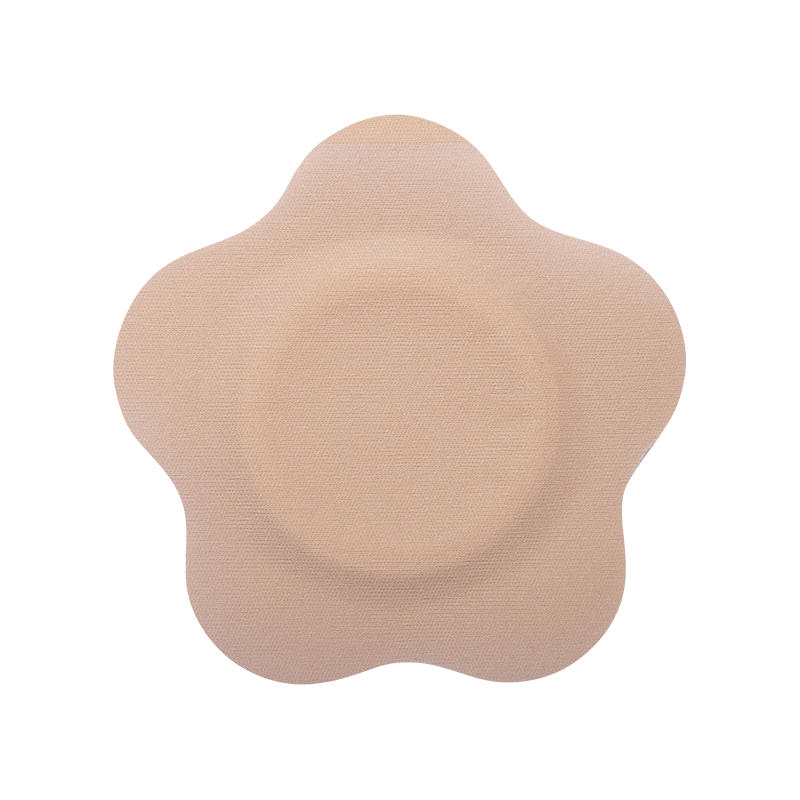
 Non-Woven Silicone Wound Dressing with Breathable BackingThis non-woven silicone dressing offers a soft, breathable contact layer for low-to-moderate exudate, with gentle, repositionable adhesion ideal for sensitive skin and routine dressing changes.View Product →
For wounds over joints or areas of high movement, a stretchable fabric silicone dressing flexes with the body and reduces the risk of folding or displacement.
 Stretchable Fabric Silicone Dressing for High-Movement AreasDesigned for joints and flexible areas, this stretchable fabric silicone dressing conforms to movement, reduces edge lifting, and provides gentle, atraumatic adhesion for active patients.View Product →
When clinicians need to inspect the wound without removing the dressing, a transparent PU silicone dressing allows visual monitoring and protects the wound from water during showering.
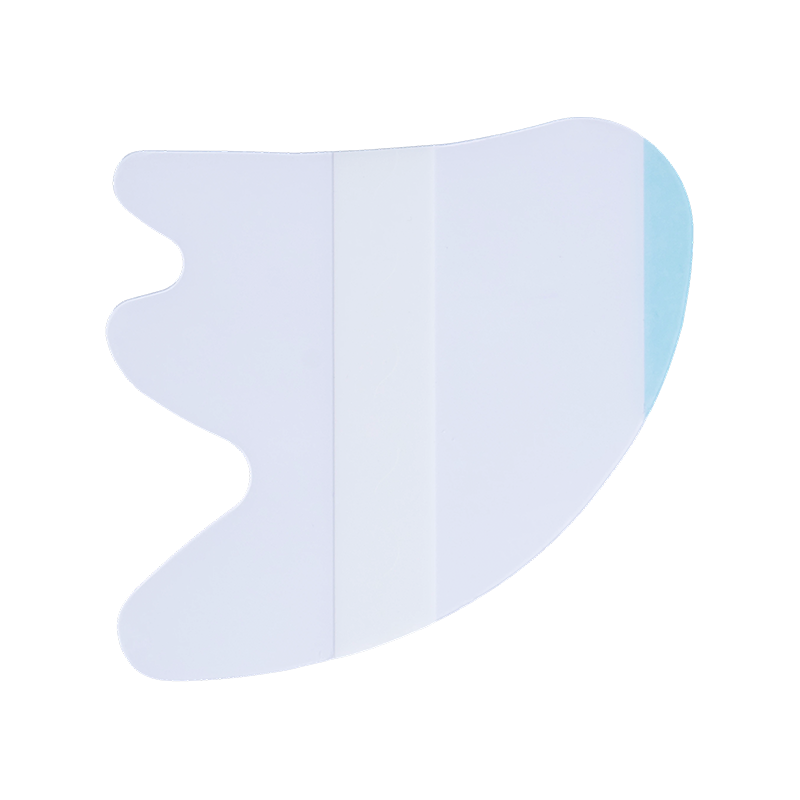
 Transparent PU Silicone Waterproof Wound DressingA transparent PU silicone dressing that provides a waterproof barrier for shower protection, allows continuous wound inspection without removal, and offers gentle, repositionable adhesion for fragile skin.View Product →
Silicone contact layers are not the right choice for dry necrotic wounds that require moisture donation and autolytic debridement, or for clinically infected wounds where topical antimicrobials must be applied directly to the wound bed.
What to Verify Before Sourcing Silicone Contact Layers
For distributors, hospital purchasing groups, and clinical procurement teams, the published benefits only matter if the product is manufactured consistently enough to deliver them. The three factors that determine real-world performance are the silicone formulation, the coating process, and the production environment.
Silicone Formulation and Biocompatibility
The gel must be medical grade and skin compatible. The first documents to request are the ISO 10993 biocompatibility reports, the CE documentation, and, where relevant, the FDA 510(k) clearance. A supplier that cannot provide them should be disqualified at the first round.
Coating Uniformity and Peel Force
If the silicone coat is too heavy, the dressing sticks to the wound and defeats its purpose. If it is too light, the dressing slides out of position. A capable manufacturer controls coating weight and peel force within tight tolerances so that every batch behaves the same. Ask for batch-to-batch test data before you commit to a large order.
Cleanroom Manufacturing and Sterility
Silicone wound dressings are not ordinary textile products. They are manufactured under controlled cleanroom conditions, sterilized with validated methods, and traced through batch records. A GMP-certified facility, ideally with a 100,000-class cleanroom, is the baseline for a serious supplier.
That is where a manufacturer's internal technology matters. STIC Shanghai develops its own medical-grade silicone gel adhesives, with a research team covering polymer science and pharmaceutics, and produces in a GMP cleanroom of more than 5,000 square meters. Because STIC controls the formulation in-house, it can fine-tune adhesion and release behavior for specific clinical needs, exactly the control that separates a consistent contact layer from an inconsistent one. For companies sourcing private-label or OEM wound dressings, this kind of vertical integration reduces quality risk significantly.
The Bottom Line
A silicone contact layer answers a fundamental problem in wound care: how to protect fragile tissue while keeping the wound clean and undisturbed. It prevents epithelial stripping, lowers pain, improves exudate control, and reduces the number of times the wound bed is touched. For clinicians, it is one of the simplest improvements to patient comfort and healing outcomes. For buyers, quality control decides success. Check the silicone grade, the production environment, and the supplier's control over formulation. When those criteria are met, the silicone contact layer becomes one of the most reliable tools in modern wound management.