English
 عربى
عربى
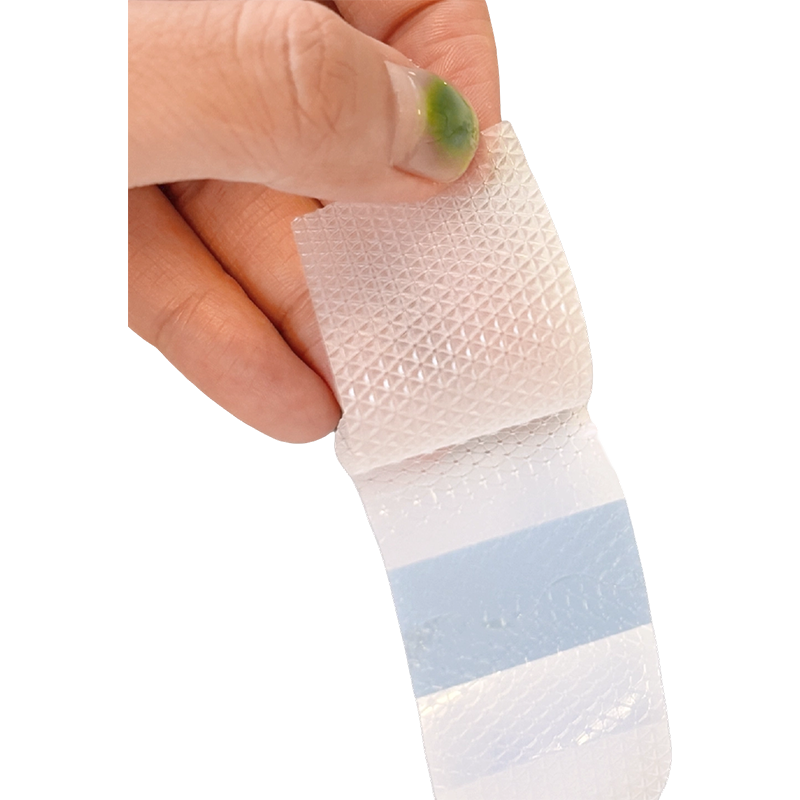
A procurement manager at a chain of sports clinics recently asked why their athletes kept removing protective patches after just a few hours. The issue wasn’t the patch itself—it was the adhesive. Traditional acrylic-based bandages caused itching and left residue that made reapplication painful. The switch to Silicone Medical Tapes eliminated the problem entirely. This real‑world shift underscores a simple truth: the adhesive determines whether a protective product succeeds or fails in daily use. For buyers evaluating band‑aids and protection essentials across clinical, home, and sport environments, silicone technology now offers the most consistent balance of secure hold and gentle removal.
Content
Why Silicone Adhesive Outperforms Traditional Bandage Glues
Most conventional bandages use acrylic or rubber‑based pressure‑sensitive adhesives. These materials bond aggressively to skin cells, often causing micro‑tears when the dressing is changed. In wound care and protective patching, that repeated trauma delays healing and drives up product consumption because patients avoid reapplying. Silicone gel adhesives, in contrast, rely on a soft‑tack mechanism that adheres uniformly without penetrating the skin’s surface layer. The result is pain‑free removal even after multiple days of wear, and a lower risk of allergic reactions—a critical factor for neonates, elderly skin, and post‑surgical applications.
| Adhesive Type | Skin Irritation Risk | Removal Pain | Reapplication Ease | Breathability |
|---|---|---|---|---|
| Medical‑grade silicone | Very low | Minimal | Excellent | High |
| Acrylic | Moderate | High | Poor | Moderate |
| Rubber / latex | High (allergen risk) | Moderate | Limited | Low |
The practical upshot for procurement teams is clear. Selecting a silicone‑based band‑aid or protection patch immediately reduces end‑user complaints, trimming the support workload and improving compliance rates in hospital wards and home‑care programs. For volume buyers, that translates into fewer replacement units per case and a measurable reduction in total cost of ownership.
Key Specifications That Separate Average from Dependable Protection
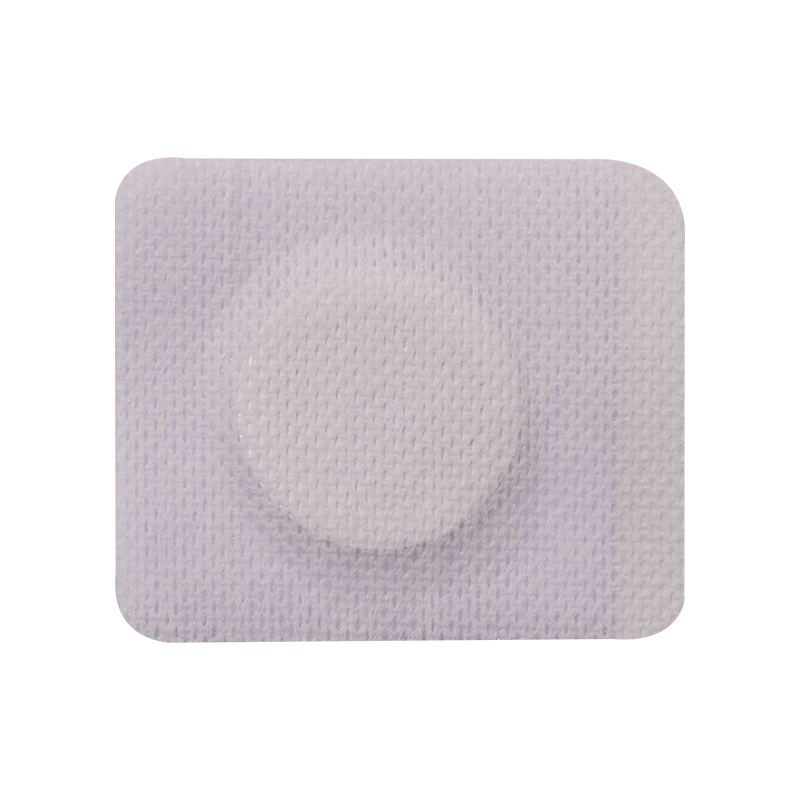
When evaluating “protection essentials”—blister pads, cut covers, post‑procedure patches, or waterproof shields—the base material and construction determine long‑term reliability. Three attributes deserve close scrutiny.
Backing Material and Shape Retention
PU film, non‑woven fabric, and elastic textile backings each serve different purposes. A waterproof PU film covering works for shower protection, while a stretchable fabric suits joints and high‑movement areas. Buyers should confirm the backing is compatible with the intended wear time and activity level. Shape is equally important; anatomically contoured patches for heels or elbows prevent lifting far more effectively than generic ovals.
Moisture Management and MVTR
Moisture vapour transmission rate (MVTR) dictates how well a bandage prevents maceration. Silicone‑based patches can be engineered with micro‑porous backings to maintain high MVTR without compromising the water‑resistant seal. A product that looks waterproof but traps sweat will fail in hot climates or during sports. Request MVTR data from manufacturers, not just a “waterproof” claim.
Adhesive Compatibility with Repeated Application
Some protection patches need to be repositioned (e.g., an IV dressing shift or a daily replaced blister pad). Silicone’s inherent repositionability, without leaving residue, makes it the safest choice for frequent changes. This feature alone can lower the skin‑related incident reports in any clinical or sports facility.
Regulatory and Quality Standards That Validate a Supplier
Because protection bandages often touch compromised or sensitive skin, compliance with international medical device standards is not optional—it’s a gate‑keeping requirement. Reliable suppliers hold current ISO 13485 certification for quality management in medical devices, CE marking for the European market, and FDA registration or 510(k) clearance where needed. These credentials confirm that the entire production stream—from raw silicone gel formulation to final packaging—operates under controlled conditions.
A STIC’s 100,000‑class GMP facility illustrates the diligence buyers should expect. Cleanroom manufacturing, batch‑traceable raw materials, and in‑house R&D combining polymer science with pharmacy know‑how result in adhesives that consistently meet dermatological safety benchmarks. Without this level of oversight, even a good material can exhibit lot‑to‑lot variation that causes unexpected skin reactions.
Inventory Strategy and OEM Advantages for Band‑Aid Programs
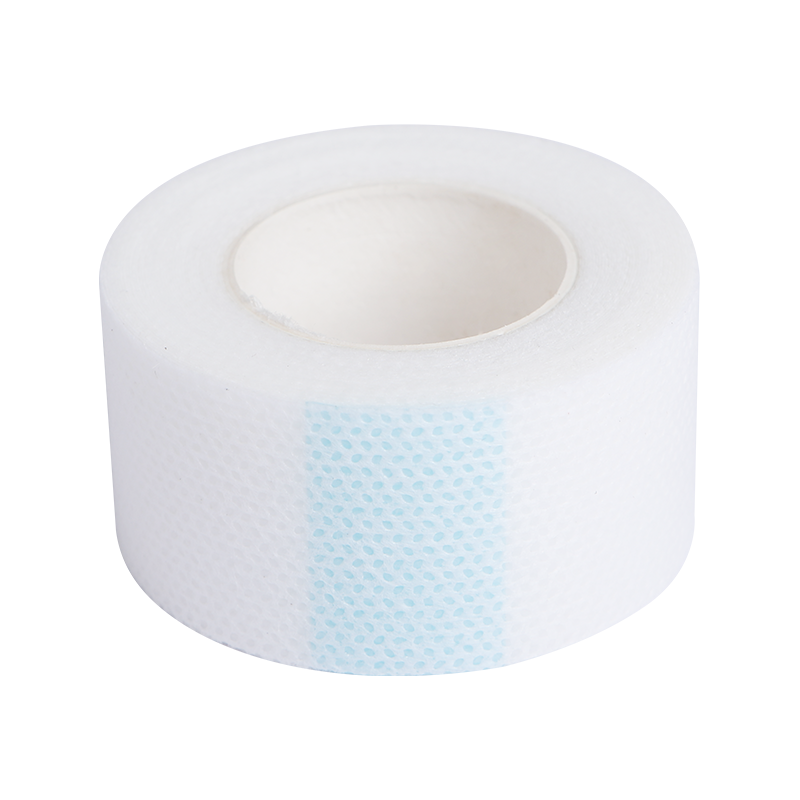
For pharmacies, hospital groups, and sports retailers, stocking silicone band‑aids and protection patches demands balancing breadth of assortment with supply chain reliability. Working directly with a technology‑driven manufacturer unlocks three concrete benefits.
- Customisation: OEM partnerships allow private‑label shapes, sizes, and packaging tailored to regional preferences or specific clinical protocols.
- Scalability: A vertically integrated producer with over 5,000 m² of production space can ramp output quickly without sacrificing quality, avoiding stock‑outs during seasonal demand spikes.
- Consistency: When the manufacturer controls both silicone gel synthesis and final converting, buyers eliminate the variability introduced by multi‑vendor supply chains.
In practice, organisations that consolidate their protection‑essential procurement around a single validated silicone technology report fewer quality allegations and lower inventory write‑offs due to expired or underperforming stock. The initial per‑unit cost difference against acrylic products is offset by higher user satisfaction and repeat business.